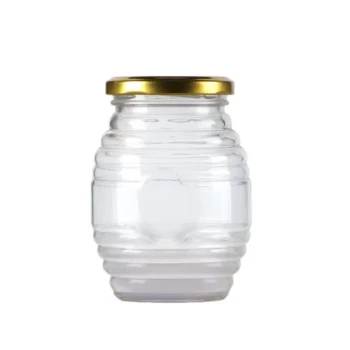
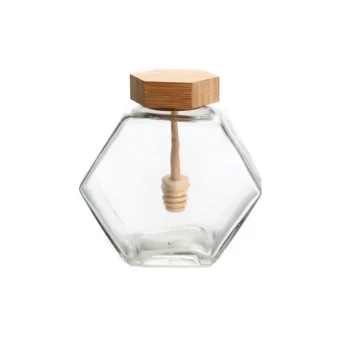
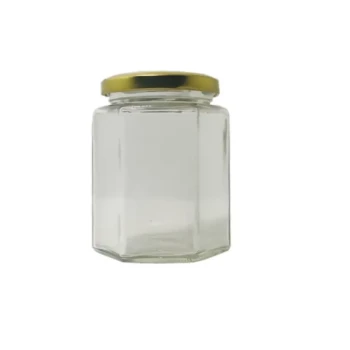
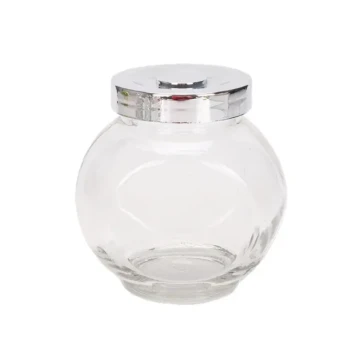
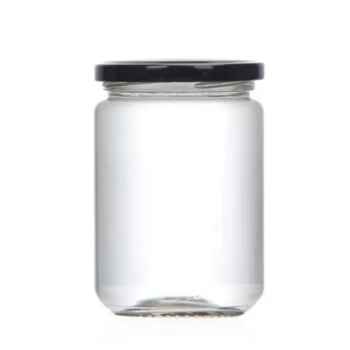
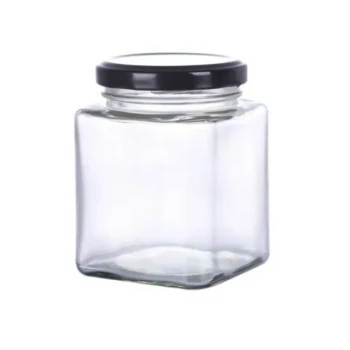
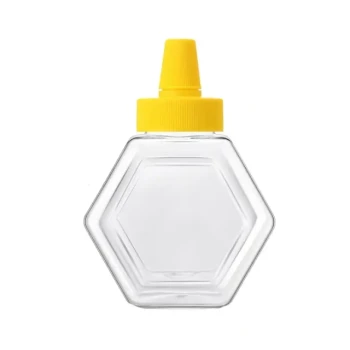
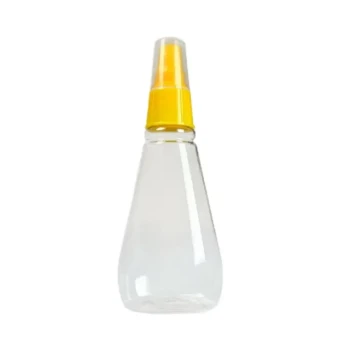
High-transparency glass jars represent the gold standard for honey packaging, delivering a superior balance of chemical preservation and consumer appeal. They provide exceptional chemical stability that maintains the honey's original flavor and nutritional content, while their superior sealing capabilities prevent moisture absorption that leads to spoilage. Furthermore, the optical clarity of the glass allows for immediate visual inspection of the product, significantly enhancing its perceived market value.
Honey is a chemically complex, living food product that demands rigorous protection. While other materials exist, high-transparency glass remains the definitive choice for preventing fermentation, preserving volatile aromatics, and establishing immediate consumer trust through visibility.
Preserving Chemical Integrity and Flavor
Unwavering Chemical Stability
Glass is a chemically inert material. Unlike some plastics or metals, it does not react with the acidic compounds naturally present in honey. This ensures that the honey’s delicate flavor profile and nutritional value remain completely unaltered over time.
Preventing Contamination
High-quality glass ensures total product purity. There is no risk of plasticizers or foreign chemicals leaching into the honey, satisfying the strict safety standards required for high-end retail markets.
Barrier Against Oxidation
Glass provides a superior gas barrier compared to porous materials. This blocks oxygen entry, which effectively slows down oxidative browning and preserves the volatile aromatic compounds that give specific honey varietals their unique scent.
Moisture Control and Shelf Life
Combating Hygroscopy
Honey is highly hygroscopic, meaning it naturally attracts and absorbs moisture from the air. High-transparency glass jars offer superior sealing capabilities that create an airtight environment.
Preventing Fermentation
By locking out environmental humidity, glass prevents the water content of the honey from rising. This is the critical factor in preventing fermentation and spoilage, thereby significantly extending the product's shelf life.
Protecting Against Odors
The density and impermeability of glass effectively isolate the honey from the outside environment. This prevents the absorption of external odors during storage or transport, ensuring the honey tastes exactly as it did at the hive.
Enhancing Market Value and Usability
Enabling Visual Inspection
High-transparency glass serves as a window to quality. It allows consumers to inspect the color, viscosity, and purity of the honey before purchasing, which is a primary method for judging sensory quality.
Showcasing Crystallization
Crystallization is a natural process in raw honey, often misunderstood by consumers. Clear glass allows buyers to observe the texture and crystallization state, helping to educate the consumer and verify the product's authenticity.
Withstanding Processing Heat
Glass acts as a robust vessel during the bottling process. It can withstand higher filling temperatures without the risk of deformation that affects some plastic containers, maintaining the structural integrity of the package.
Understanding the Trade-offs
Weight and Logistics
While glass offers superior protection, it is significantly heavier than plastic. This increases shipping costs and requires more robust secondary packaging to prevent breakage during transit.
Fragility Concerns
Glass is brittle by nature. Manufacturers and retailers must account for higher breakage rates during handling compared to impact-resistant plastic or metal alternatives.
Making the Right Choice for Your Goal
When selecting packaging for your honey, consider your target market and distribution model:
- If your primary focus is Premium Branding: Use high-transparency glass to signal purity and quality, as it is the preferred material for high-end and gift-grade markets.
- If your primary focus is Long-Term Storage: Use glass for its superior airtightness to prevent fermentation and protect against moisture absorption over extended periods.
- If your primary focus is Flavor Preservation: Choose glass to ensure zero chemical interaction and to lock in volatile aromatic compounds.
By utilizing high-transparency glass, you not only protect the complex chemistry of your honey but also elevate its status in the eyes of the consumer.
Summary Table:
| Feature | Key Benefit | Why It Matters |
|---|---|---|
| Chemical Inertness | Zero leaching/reaction | Maintains original flavor and nutritional integrity. |
| Airtight Sealing | Moisture & oxygen barrier | Prevents fermentation and stops oxidative browning. |
| High Transparency | Visual quality inspection | Enhances consumer trust and showcases honey purity. |
| Heat Resistance | Durable at filling temps | No deformation during hot-filling or processing. |
Elevate Your Honey Brand with HONESTBEE
Maximize the value of your harvest with professional-grade packaging. HONESTBEE provides commercial apiaries and distributors with premium, high-transparency glass jars and a full spectrum of beekeeping tools, machinery, and essential industry consumables. From specialized honey-filling machines to cultural honey-themed merchandise, we supply everything you need to scale your operations and satisfy high-end retail markets.
Ready to upgrade your honey presentation and preservation? Contact us today to explore our wholesale solutions
References
- İsa YILMAZ, Hamza ÇELİK. Iğdır İli Bal Arısı (Apis mellifera L.) Yetiştiricilerinin Koloni Yönetimi. DOI: 10.24180/ijaws.571776
This article is also based on technical information from HonestBee Knowledge Base .
Related Products
- Classic Glass Honey Jar with Metal Lug Cap for Beehive Storage
- Hexagonal Glass Honey Jar with Wooden Lid Integrated Dipper Elegant Functional Storage
- Hexagonal Glass Honey Jars with Metal Lug Caps Elegant Versatile Packaging
- Classic Drum Shaped Glass Honey Jar with Airtight Lid
- Classic Round Glass Honey Jar with Lid
People Also Ask
- What are the benefits of glass jars regarding strength and safety for storing honey? Ensure Purity and Long-Term Quality
- What are the advantages of using glass jars for honey storage? Ensure Purity and Premium Appeal for Your Product
- What is the aesthetic appeal of using glass jars for honey? Elevate Your Brand with Premium Packaging
- Which container is best for storing honey? Preserve Purity & Flavor with the Right Choice
- What are the advantages of glass containers for honey? Elevate Quality and Market Value with Premium Packaging