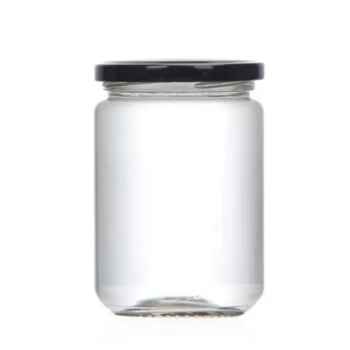
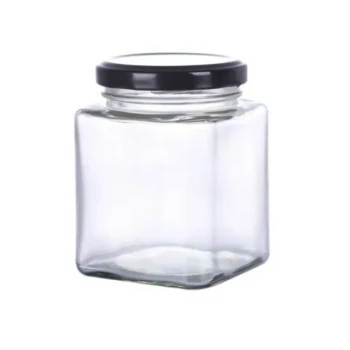
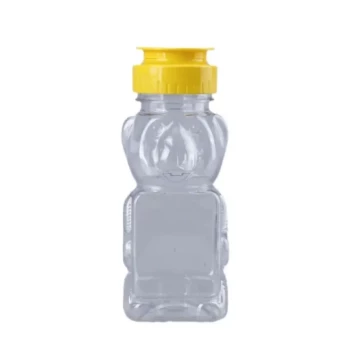
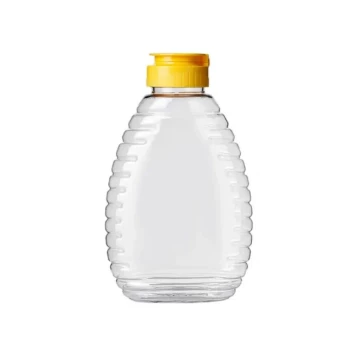
Glass jars provide superior strength and safety for honey storage by offering robust resistance to environmental stressors and physical degradation. Unlike plastic, glass withstands extreme temperature fluctuations without compromising the container's integrity, and its non-toxic nature eliminates the risk of harmful chemicals leaching into the honey.
Core Insight: Glass acts as a dense, chemically inert barrier that completely isolates honey from external contaminants. By preventing chemical migration and oxidation, glass protects the honey's therapeutic properties and biological stability in a way that porous materials cannot.
The Safety Advantage: Chemical Purity
Glass is fundamentally different from other storage materials due to its molecular density and inertness. This provides a safety profile that goes beyond simple containment.
Eliminating Chemical Leaching
The primary safety benefit of glass is that it is non-toxic and chemically inert. As highlighted in the primary reference, this eliminates the risk of chemical leaching.
Plastic containers, specifically those not rated as high-quality food grade, possess a risk of allowing plasticizers or other synthetic substances to migrate into the food source. Glass prevents this migration entirely, ensuring the honey remains pure.
Preserving Medicinal Potency
Honey is often valued for its therapeutic qualities, such as its antibacterial components (e.g., hydrogen peroxide).
Because glass prevents chemical interactions, it maintains the biological activity of these unstable components. Using glass ensures that the honey’s natural medicinal efficacy remains stable over time, rather than degrading due to packaging interaction.
The Strength Advantage: Durability and Resistance
Strength in this context refers to the material's ability to withstand environmental factors that would degrade other containers.
Resistance to Temperature and Degradation
Glass is far less affected by extreme temperatures than plastic. It does not warp or degrade when exposed to heat, ensuring the container maintains its shape and seal.
Additionally, glass is highly resistant to scratching. Plastic containers can develop micro-scratches over time which harbor bacteria; glass retains a smooth, hygienic surface throughout its lifespan.
Impermeability and Oxidation Barriers
A critical aspect of glass's "strength" is its barrier properties. It provides a superior airtight seal compared to most other options.
This impermeability blocks the entry of oxygen and environmental moisture. By stopping oxidation, glass slows down the browning process and prevents the honey from absorbing external odors or moisture that could lead to fermentation.
Understanding the Trade-offs
While glass is superior for purity and chemical safety, it is essential to acknowledge its physical limitations to make an informed decision.
Weight and Fragility
The density that makes glass safe also makes it heavy. This increases shipping costs and makes handling more cumbersome compared to lightweight plastic.
Breakage Risks
Glass is brittle. While it resists scratching and heat, it does not resist impact. However, this risk is generally considered low when jars are handled properly, and the trade-off is often accepted in exchange for superior chemical safety.
Making the Right Choice for Your Goal
Selecting the right container depends on whether you prioritize absolute purity or logistical convenience.
- If your primary focus is long-term quality and medicinal value: Choose glass to ensure complete chemical inertness and the preservation of antibacterial properties.
- If your primary focus is laboratory analysis: Rely on wide-mouth glass jars to prevent moisture absorption and ensure the chemical composition remains unaltered for accurate testing.
- If your primary focus is transport and safety from impact: Consider food-grade plastic, acknowledging that while it prevents breakage, it may not offer the same long-term chemical isolation as glass.
Glass remains the definitive standard for ensuring honey remains exactly as nature intended—pure, potent, and safe.
Summary Table:
| Feature | Glass Jars | Plastic Containers |
|---|---|---|
| Chemical Safety | Non-toxic, zero leaching risk | Risk of chemical migration |
| Barrier Strength | High (impermeable to oxygen/moisture) | Lower (porous over time) |
| Durability | Resists heat and scratches | Susceptible to warping/scratching |
| Medicinal Preservation | Protects antibacterial properties | Potential for degradation |
| Weight & Handling | Heavier, fragile on impact | Lightweight, impact-resistant |
Elevate Your Honey Brand with HONESTBEE
At HONESTBEE, we understand that premium honey deserves premium protection. As a leading provider for commercial apiaries and distributors, we offer a comprehensive wholesale selection of high-quality glass jars, specialized honey-filling machinery, and essential beekeeping tools designed to preserve the medicinal potency of your harvest.
Whether you are scaling your production or looking for the perfect packaging to represent your brand's quality, our team is ready to provide the professional-grade equipment and industry consumables you need to succeed.
Contact HONESTBEE Today to Secure Your Wholesale Supply
Related Products
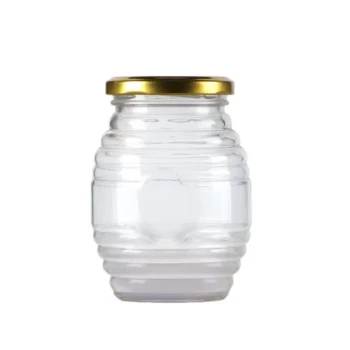
- Classic Glass Honey Jar with Metal Lug Cap for Beehive Storage
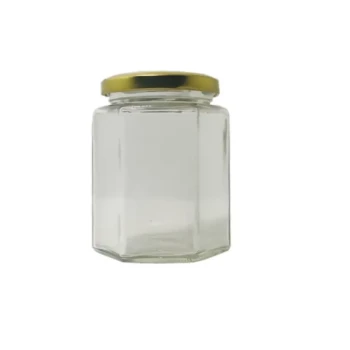
- Hexagonal Glass Honey Jars with Metal Lug Caps Elegant Versatile Packaging
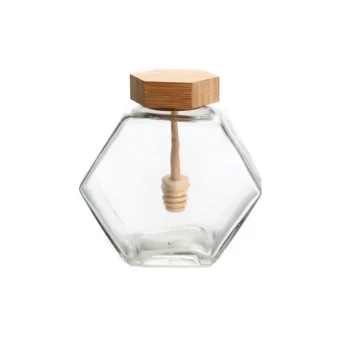
- Hexagonal Glass Honey Jar with Wooden Lid Integrated Dipper Elegant Functional Storage
- Classic Drum Shaped Glass Honey Jar with Airtight Lid
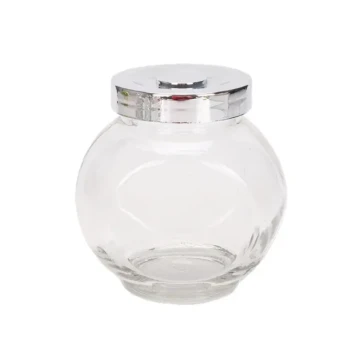
- Classic Round Glass Honey Jar with Lid
People Also Ask
- What are the advantages of using glass jars for honey storage? Ensure Purity and Premium Appeal for Your Product
- What are the benefits of using high-transparency Glass Jars for honey? Elevate Purity and Premium Branding
- What is the aesthetic appeal of using glass jars for honey? Elevate Your Brand with Premium Packaging
- Which container is best for storing honey? Preserve Purity & Flavor with the Right Choice
- What are the advantages of glass containers for honey? Elevate Quality and Market Value with Premium Packaging