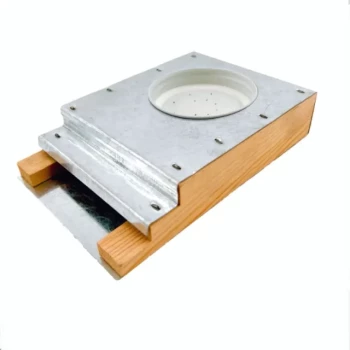
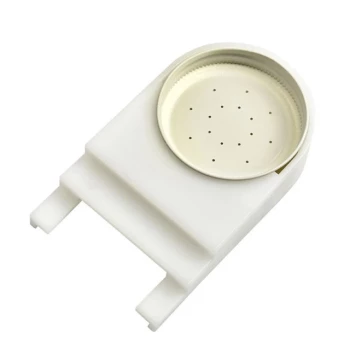
Specialized in-hive feeders function by creating a controlled interface that mimics natural nectar sources, allowing bees to actively ingest Polypore extract syrup. Instead of spraying or scattering the solution—which leads to waste and inconsistent application—this equipment confines the extract so bees consume it voluntarily. This precise delivery method ensures the medicinal ingredients are introduced directly into the colony's internal food network.
By leveraging the natural behavior of trophallaxis, these feeders transform individual ingestion into a colony-wide treatment system, ensuring every bee receives an effective dose to combat viral infections.
The Mechanics of Effective Delivery
Controlled Ingestion vs. Dispersion
The primary advantage of a specialized feeder is the elimination of waste. Unlike methods that rely on general dispersion or external application, the feeder provides a contained environment for the syrup.
This ensures that the valuable Polypore extracts are not lost to the hive floor or evaporation. The extract remains available until a bee actively chooses to consume it.
Mimicking Natural Foraging
The feeder is designed to replicate the experience of nectar collection. Because the interface encourages active ingestion, the bees treat the medicinal syrup as a food source.
This biological compatibility is crucial. It ensures the bees accept the extract readily, integrating the functional ingredients into their diet without stress or resistance.
Achieving Colony-Wide Coverage
Leveraging Social Food Exchange
The effectiveness of the feeder extends far beyond the individual bees that visit it. Once a bee ingests the syrup, it shares the nutrients with other colony members through a process called trophallaxis.
This social transfer of food acts as a biological distribution network. It rapidly moves the extract from the foraging bees to the brood care bees and the queen.
Ensuring Uniform Dosing
Through this chain of social feeding, the feeder guarantees that the intervention reaches the entire population. Even bees that never directly access the feeder receive the necessary functional ingredients.
This total coverage is essential for viral intervention. It prevents pockets of untreated bees from serving as reservoirs for infection, thereby protecting the colony as a cohesive unit.
Understanding the Operational Considerations
Equipment Dependence
The efficacy of this method is entirely reliant on the integrity of the feeding interface. If the equipment is not maintained or if the interface becomes blocked, the "controlled" aspect of the delivery fails.
The Risk of Alternative Methods
The text implies a significant trade-off when not using this specialized equipment: waste. Without the feeder, dispersion methods result in a loss of extract, making it difficult to verify if the colony has received the correct therapeutic dosage.
Optimizing Colony Health Interventions
To ensure the success of Polypore extract administration, align your equipment choice with your specific management goals:
- If your primary focus is Resource Efficiency: Utilize specialized feeders to prevent the waste associated with dispersion and ensure every drop of extract is utilized.
- If your primary focus is Viral Eradication: Rely on the feeder to trigger trophallaxis, guaranteeing that the antiviral agents reach every member of the colony through social sharing.
By combining precise hardware with the bees' natural social behaviors, you turn a simple feeding routine into a comprehensive medical intervention.
Summary Table:
| Feature | Specialized In-Hive Feeder | Traditional Dispersion Methods |
|---|---|---|
| Delivery Mechanism | Controlled interface (mimics nectar) | Spraying or scattering |
| Wastage Level | Minimal - contained environment | High - lost to evaporation/hive floor |
| Dosing Precision | High - uniform colony-wide intake | Inconsistent - difficult to verify |
| Social Integration | Triggers natural trophallaxis | Limited biological integration |
| Primary Benefit | Targeted viral intervention | General supplemental feeding |
Maximize Your Colony Health with HONESTBEE Precision Equipment
At HONESTBEE, we understand that large-scale commercial apiaries and distributors require more than just tools—they need solutions that guarantee efficiency and results. Our specialized feeding systems and advanced honey-processing machinery are engineered to ensure every drop of your medicinal extracts or supplements reaches the hive effectively.
Why partner with HONESTBEE?
- Comprehensive Wholesale Range: From specialized in-hive hardware to automated honey-filling machines.
- Built for Scale: We cater specifically to the needs of commercial beekeeping operations and global distributors.
- Total Industry Support: We supply everything from essential consumables to honey-themed cultural merchandise.
Ready to upgrade your apiary’s efficiency? Contact us today to explore our wholesale catalog and expert machinery solutions.
References
- Paul Stamets, Walter S. Sheppard. Extracts of Polypore Mushroom Mycelia Reduce Viruses in Honey Bees. DOI: 10.1038/s41598-018-32194-8
This article is also based on technical information from HonestBee Knowledge Base .
Related Products
- In-Hive Dual Compartment Frame Bee Feeder for Targeted Colony Nutrition
- Professional In-Hive Bee Feeder HONESTBEE Frame for Beekeeping
- Professional In-Hive Frame Bee Feeder by HONESTBEE
- 3.5L Plastic Beehive Frame Feeder Deep Frame Water Feeder for In Hive Use
- HONESTBEE Entrance Bee Feeder Professional Hive Nutrition Solution for Beekeeping
People Also Ask
- What are the advantages of using a frame feeder for bee colonies? Boost Growth and Prevent Robbing Efficiently
- Why should sugar syrup or dry sugar not be left out in the open when feeding bees? Avoid a Dangerous Feeding Frenzy
- What precautions should be taken when feeding bees inside the hive? Safeguard Your Colony from Robbing and Leaks
- How do in-hive feeders support honey bee colonies during autumn? Ensure Overwintering Success for Your Apiary
- What are the advantages of in-hive feeders vs external methods? Boost Colony Health with Precise Spring Feeding