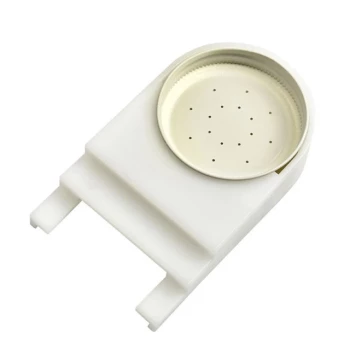
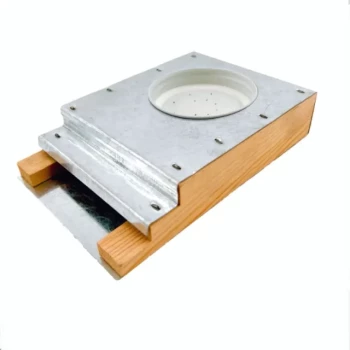
In-hive feeders provide a secure, controlled environment that significantly enhances colony survival rates during critical transitional periods. By placing nutrient solutions or medicinal preparations directly inside the hive, you eliminate the energy costs and biosecurity risks associated with open-air foraging, ensuring resources are utilized exclusively by the intended colony.
The decisive advantage of in-hive feeding is bio-containment: it guarantees that specific colonies receive exact medicinal dosages without triggering the robbing behavior or pathogen exchange common with external feeding methods.
Optimizing Energy and Dosage
To understand the value of in-hive feeding, you must look at the physiological demands placed on the colony during early spring or treatment cycles.
Reducing Metabolic Stress
In early spring, ambient temperatures are often too low for safe flight. Forcing bees to leave the hive to forage for external syrup expends vital calories and exposes them to the cold.
In-hive feeders place food directly within the cluster's reach. This minimizes energy expenditure, allowing the colony to direct its metabolic resources toward brood rearing and heating the hive rather than foraging.
Ensuring Precise Medicinal Dosage
When applying medicinal prevention or botanical preparations, dosage accuracy is critical. External feeding makes it impossible to track how much solution a specific colony consumes.
Internal feeders ensure the preparation is fully consumed by the target colony. This guarantees that the bees receive the therapeutic level required for effective treatment.
Biosecurity and Colony Defense
Beyond individual colony health, in-hive feeding acts as a barrier against apiary-wide threats.
Preventing Robbing Behavior
Open-air feeding creates a feeding frenzy that often incites robbing, where strong colonies attack weaker ones to steal resources.
By keeping the food source inside the hive, you remove the external trigger for this aggression. The food is accessible only to the resident bees, maintaining peace within the apiary.
Blocking Pathogen Transmission
Shared external feeding stations are vectors for disease. If a sick colony visits a communal feeder, they can leave behind pathogenic microorganisms that healthy colonies subsequently ingest.
In-hive feeding isolates the food supply. This effectively blocks cross-transmission of diseases, preserving the health status of individual hives.
Understanding the Trade-offs
While in-hive feeding offers superior biological advantages, it introduces specific operational considerations that beekeepers must manage.
Disruption to the Hive Atmosphere
Standard internal feeders may require opening the hive to refill, which can release precious heat and disrupt the colony's internal atmosphere.
However, advanced designs, such as hive-top feeders, mitigate this by allowing refills without opening the brood chamber. Choosing the right hardware is essential to maintaining thermal stability.
Equipment and Labor Intensity
Managing individual feeders for every hive is more labor-intensive than maintaining a single community feeder.
You must balance the time investment of refilling individual units against the biological benefits of disease control and energy conservation.
Making the Right Choice for Your Goal
The method of feeding you choose should align with your specific management objectives for the season.
- If your primary focus is medicinal treatment: Use in-hive feeders to ensure exact dosage and prevent healthy colonies from ingesting medication intended for sick ones.
- If your primary focus is spring buildup: Use in-hive feeders to conserve colony heat and energy, allowing bees to focus entirely on brood production rather than foraging in the cold.
- If your primary focus is apiary biosecurity: Use in-hive feeders to isolate colonies, preventing the rapid spread of pathogens that occurs at communal feeding sites.
By internalizing the food source, you transform feeding from a chaotic competition into a precise, targeted management tool that prioritizes the long-term vitality of the colony.
Summary Table:
| Feature | In-Hive Feeding | External/Open-Air Feeding |
|---|---|---|
| Dosage Control | Precise & targeted per colony | Unpredictable; shared consumption |
| Biosecurity | Prevents cross-contamination | High risk of pathogen transmission |
| Energy Cost | Minimal; accessible near cluster | High; requires flight in cold weather |
| Robbing Risk | Low/None | High; incites apiary aggression |
| Labor Level | Individual maintenance required | Low; centralized management |
Maximize Your Apiary Productivity with HONESTBEE
Efficient feeding is the backbone of a thriving commercial apiary. At HONESTBEE, we specialize in supporting commercial beekeepers and distributors with a full spectrum of professional-grade tools. From advanced in-hive feeding systems and hive-making machinery to precision honey-filling equipment, our wholesale solutions are designed to scale your operations and protect your colonies.
Ready to upgrade your equipment? Contact us today to explore how our comprehensive hardware and industry consumables can drive your business success.
References
- Susanna Arestovna Pashayan, М. В. Калашникова. Distribution, diagnosis and prevention of nosematosis in bees. DOI: 10.32417/1997-4868-2023-23-11-65-74
This article is also based on technical information from HonestBee Knowledge Base .
Related Products
- In-Hive Dual Compartment Frame Bee Feeder for Targeted Colony Nutrition
- Professional In-Hive Frame Bee Feeder by HONESTBEE
- Professional In-Hive Bee Feeder HONESTBEE Frame for Beekeeping
- 3.5L Plastic Beehive Frame Feeder Deep Frame Water Feeder for In Hive Use
- HONESTBEE Entrance Bee Feeder Professional Hive Nutrition Solution for Beekeeping
People Also Ask
- What are the advantages of using a frame feeder for bee colonies? Boost Growth and Prevent Robbing Efficiently
- Why should sugar syrup or dry sugar not be left out in the open when feeding bees? Avoid a Dangerous Feeding Frenzy
- What precautions should be taken when feeding bees inside the hive? Safeguard Your Colony from Robbing and Leaks
- How do in-hive feeders support honey bee colonies during autumn? Ensure Overwintering Success for Your Apiary
- Why is an in-hive feeder necessary for stimulatory feed? Protect Nano-Particle Integrity and Dosage Accuracy