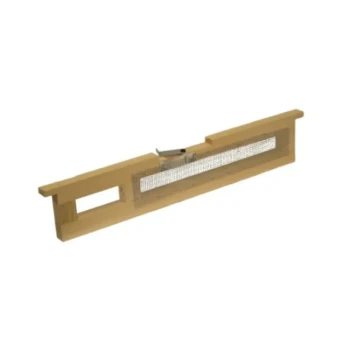
The physical and visual properties of wood are significant determinants in honey bee nesting site selection. Honey bees exhibit a distinct preference for nesting sites that feature light-colored textures, specifically those displaying white or yellow tones. This preference is driven by a combination of visual attraction and chemical cues, making material selection a critical factor for beekeepers.
Utilizing light-colored solid wood or treated plywood can significantly increase hive occupancy rates. This material preference is most influential during the initial setup phase of an apiary, where visual and chemical signals actively guide local swarms to new nesting sites.
The Science of Bee Attraction
Visual Preferences
Honey bees rely heavily on visual cues when scouting for potential nesting sites.
The reference data indicates that light-colored textures act as a visual beacon for swarms. Specifically, the color spectrums of white and yellow are proven to be more attractive to local populations than darker alternatives.
Chemical Signaling
The attraction to specific wood types is not purely visual.
Light-colored woods also possess chemical attributes that appeal to bees. The composition of these woods provides a chemical profile that encourages nesting behavior, acting as a secondary layer of attraction alongside the visual stimulus.
Material Implications for Beekeepers
Solid Wood Selection
For optimal swarm capture, the choice of raw material is paramount.
Beekeepers should prioritize light-colored solid wood when constructing hive bodies. This mimics the natural textures and tones that bees instinctively seek out in the wild.
Plywood and Treatments
The preference for light colors extends to manufactured materials as well.
If using plywood, it should be treated or selected to display white or yellow tones. This ensures that even composite materials trigger the necessary visual and chemical responses to attract a colony.
Operational Impact
Increasing Occupancy Rates
The practical application of this knowledge directly impacts the success of an apiary.
Apiaries that utilize hives manufactured with these specific light-colored attributes experience significantly higher occupancy rates. This reduces the time and effort required to populate new hives.
The Critical Initial Phase
The influence of wood color is most pronounced during the early stages of apiary development.
The reference emphasizes that this factor is critical during the initial setup phase. This is the window where the specific visual and chemical properties of the wood are most effective at luring swarms to establish a new home.
Understanding the Constraints
The Scope of Influence
While wood color is a powerful tool, it is important to recognize its specific context.
The primary benefit is observed during the attraction and setup of new colonies. The data highlights the "initial setup phase," suggesting that while this aids in capturing swarms, other factors may take precedence once the colony is established and the interior is propolized.
Making the Right Choice for Your Goal
To maximize the effectiveness of your apiary setup, align your material choices with the bees' natural instincts.
- If your primary focus is manufacturing beehives: Prioritize light-colored solid woods or plywoods treated to appear white or yellow to maximize the product's biological appeal.
- If your primary focus is establishing a new apiary: Deploy hives with light visual textures during the initial setup phase to significantly increase the likelihood of rapid swarm occupancy.
Leveraging the natural attraction to light-colored wood turns passive hive equipment into an active lure for honey bee colonies.
Summary Table:
| Factor | Preference | Impact on Beekeeping |
|---|---|---|
| Visual Color | White & Yellow | Acts as a visual beacon to lure local swarms |
| Wood Texture | Light-colored Solid Wood | Mimics natural nesting sites to trigger instinct |
| Chemical Profile | Specific Light Wood VOCs | Provides secondary chemical attraction signals |
| Best Material | Treated Plywood/Solid Wood | Increases occupancy rates during initial setup |
Partner with HONESTBEE for Professional-Grade Apiary Solutions
Maximize your colony occupancy and operational efficiency with equipment designed around biological instincts. At HONESTBEE, we specialize in supporting commercial apiaries and distributors with a comprehensive wholesale range of high-quality beekeeping tools and machinery.
Whether you need specialized hive-making machines to manufacture light-textured hives, honey-filling machines for your production line, or a steady supply of essential industry consumables, we provide the hardware and expertise to grow your business.
Ready to scale your beekeeping operations? Contact us today to explore our wholesale portfolio and discover how our specialized equipment can enhance your productivity!
References
- O. J. Akinbi, O.T. Alamu. Assessment of Gmelina, Danta Solid Wood and Plywood Hive Types for Beekeeping. DOI: 10.4314/jasem.v25i4.22
This article is also based on technical information from HonestBee Knowledge Base .
Related Products
- Wholesales Dadant Size Wooden Bee Hives for Beekeeping
- Professional Wooden Requeening Frame for Beekeeping
- Yellow Plastic Bucket Pail Perch for Beekeeping
- Solid Bottom Board Australian Pine Wood Langstroth Bottom Board for Wholesale
People Also Ask
- What are the strategic benefits of installing beekeeping hives at an elevation of 1 to 6 meters? Protect Your Assets
- What are the key advantages of modern improved beekeeping hives? Scale Your Honey Yield and Production Efficiency
- What is the proper way to store unused bee hives? Expert Stacking Tips for Equipment Longevity
- What are the 2 types of bee hives? Langstroth vs. Top-Bar for Your Apiary
- How does the design of improved beekeeping hives contribute to maintaining honey quality and purity? Enhancing Purity