Modern pollen collection systems ensure purity through a combination of precision mechanics and environmental isolation. By installing specialized traps at the hive entrance, these systems use calibrated physical grids to gently dislodge pollen loads from the hind legs of foraging bees. The pollen immediately falls into sealed, moisture-proof containers, effectively isolating it from environmental dust and preventing degradation before it is even harvested.
The core innovation lies in separating the collection mechanism from external variables. By isolating pollen in dry, pollution-proof boxes immediately upon interception, the system prevents microbial growth and preserves the pollen's high biological activity to meet food-grade standards.
The Mechanics of Contaminant-Free Collection
Precision Physical Interception
The first line of defense in maintaining purity is the geometric design of the trap itself. Installed at the hive entrance, these devices utilize grids with specific apertures.
As worker bees pass through, the grid gently brushes against them, causing the pollen pellets on their hind legs to detach. This process is strictly mechanical and designed to be non-invasive, ensuring no harm comes to the bee, which eliminates the risk of contaminating the pollen with bee fluids or stress-related compounds.
Environmental Isolation
Once the pollen is dislodged, it falls directly into a specialized collection box. In modern systems, these boxes are engineered to be pollution-proof.
This isolation is critical for filtering out environmental dust and debris that might otherwise settle on the product. By segregating the pollen from the general hive floor and the outside air, the system maintains the raw material's physical cleanliness.
Preserving Biological Integrity
Moisture Control and Mold Prevention
Purity is not just about physical dirt; it is also about chemical stability. Modern collection boxes are designed to be moisture-proof.
Excessive humidity is the primary cause of microbial contamination and mold growth in raw pollen. By utilizing dry collection trays that shield the harvest from ambient humidity, the system inhibits the proliferation of bacteria and fungi immediately after collection.
Maintaining Biochemical Activity
Speed and dryness are essential for quality. The rapid isolation from moisture prevents the degradation of the pollen’s biochemical profile.
This ensures that the high biological activity—the enzymes, vitamins, and nutrients that make pollen valuable—remains intact. The result is a product that meets strict food-grade purity standards without requiring aggressive post-processing that could damage these sensitive compounds.
Understanding the Trade-offs
Collection Efficiency vs. Colony Flow
While tight geometric controls ensure maximum pollen collection, they must be balanced against the colony's traffic needs.
If the apertures are too restrictive in an attempt to capture 100% of the pollen, it can hinder the normal passage of bees. This congestion can stress the colony or reduce the overall foraging rate, indirectly affecting the long-term consistency of production.
Maintenance Dependencies
Technological "pollution-proofing" is not a substitute for regular maintenance.
While the boxes are designed to isolate dust and moisture, they are not hermetically sealed vacuums. If the collection trays are not emptied regularly, the accumulated biomass can eventually generate its own heat and moisture, negating the benefits of the design.
Making the Right Choice for Your Goal
To select or operate a collection system effectively, you must align the equipment's capabilities with your specific purity requirements.
- If your primary focus is Food-Grade Certification: Prioritize systems with moisture-proof collection trays to ensure microbial counts remain low enough for immediate processing.
- If your primary focus is Bioactive Potency: Look for traps with rapid-flow designs that move pollen quickly from the entrance grid to a dry, isolated environment to prevent enzymatic degradation.
By leveraging precision interception and rigid environmental controls, you can harvest a product that retains the raw power of nature while meeting the safety standards of modern industry.
Summary Table:
| Feature | Mechanism | Purity Benefit |
|---|---|---|
| Calibrated Grids | Physical brushing of hind legs | Prevents contamination from debris and bee fluids |
| Sealed Trays | Pollution-proof isolation | Blocks environmental dust and hive floor waste |
| Moisture Control | Dry-box engineering | Inhibits microbial growth and prevents mold |
| Rapid Isolation | Immediate interception | Preserves bioactive enzymes and nutrient profile |
Elevate Your Apiary's Standards with HONESTBEE
Maximize your harvest quality with HONESTBEE’s professional-grade beekeeping solutions. Whether you are a commercial apiary or a wholesale distributor, we provide the precision-engineered pollen traps, honey-filling machinery, and essential consumables you need to ensure food-grade excellence.
From hive-making equipment to honey-themed cultural merchandise, HONESTBEE is your global partner in beekeeping success. Contact us today to discover how our comprehensive wholesale offering can streamline your production and boost your market value!
References
- Lidija Madžar. Motives for the introduction of agricultural innovations in Serbia with particular accent on beekeepers: The application of logistic regression. DOI: 10.5937/ekopolj2201027m
This article is also based on technical information from HonestBee Knowledge Base .
Related Products
- Removable Plastic Pollen Trap With Ventilated Tray for Bees Pollen Collector
- 30 cm Plastic Entrance Hole Bee Pollen Trap and Collector
- Plastic Bee Pollen Trap Strips Comb Catcher Collector
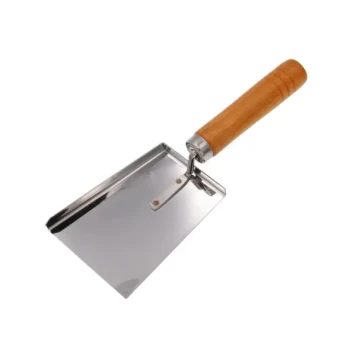
- Stainless Steel Pollen Shovel with Wooden Handle
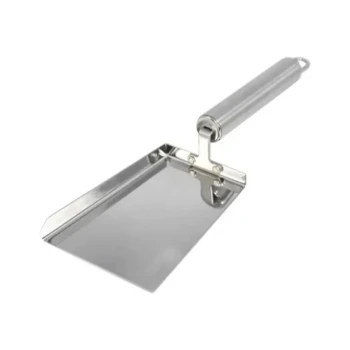
- Heavy-Duty Ergonomic Grip Galvanized Pollen Shovel
People Also Ask
- What are the design principles and advantages of pollen traps in the collection of bee pollen? Boost Your Apiary Yield
- What is the function of professional pollen traps in evaluating honey plants? Quantifying Pollination and Crop Potential
- What functions do pollen traps serve for bee bread production? Optimize Your Raw Material Collection
- What maintenance and pest prevention measures should be taken for pollen traps? Protect Your Hive and Harvest Quality
- How does the use of pollen traps in honeybee hives enhance crop fertilization? Boost Your Yield Through Induced Activity