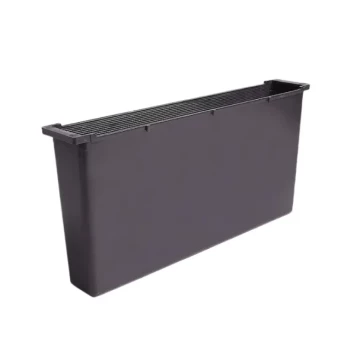
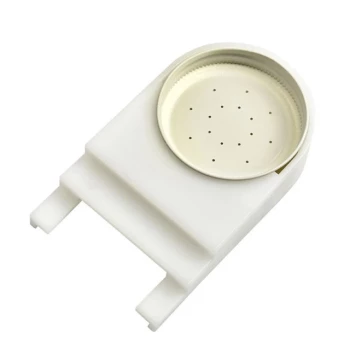
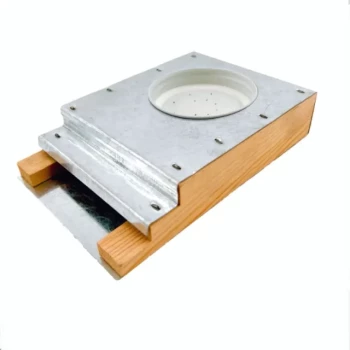
A quantitative feeder ensures precision by leveraging gravity or capillary action to deliver sucrose solutions with exact pesticide concentrations, such as fipronil. By continuously measuring the volume of solution consumed and cross-referencing it with the daily count of surviving bees, researchers can calculate the specific daily intake per individual to maintain strict sub-lethal exposure levels.
Precision in chronic exposure studies is achieved not just by the delivery mechanism, but by the dynamic calculation of intake versus survival rates. This ensures that the dosage remains consistent even as the population within the cage changes, allowing for accurate analysis of synergistic effects.
The Mechanics of Controlled Exposure
Gravity and Capillary Delivery
The core of the quantitative feeder is its physical delivery system. It utilizes gravity feeding or capillary principles to present the liquid diet to the bees.
This mechanism ensures a steady, accessible supply of the sucrose solution without the risk of leaks or flooding that could alter the concentration or drown the subjects.
Specific Concentration Targeting
The feeder is loaded with a sucrose solution spiked with a predetermined concentration of a pesticide.
This baseline concentration allows researchers to set the parameters for a sub-lethal environment, which is critical for studying chronic, rather than acute, toxicity.
Calculating Dosage Precision
Monitoring Daily Consumption
To ensure precision, the total volume of sugar solution consumed is measured every 24 hours.
This provides the raw data necessary to understand the total chemical load introduced to the cage environment during that period.
Correlating with Survival Rates
Volume alone does not determine the dose; the number of subjects does. Researchers must count the number of live bees in the cage daily.
By dividing the consumed volume by the number of living bees, the system accounts for mortality, providing an accurate calculation of the daily intake per individual bee.
The Scientific Goal: Synergistic Assessment
Maintaining Sub-lethal Levels
The primary objective of using a quantitative feeder in this context is to keep exposure below lethal limits.
Precise control allows the bees to survive long enough for researchers to observe chronic effects rather than immediate mortality.
Evaluating Pathogen Interaction
Once sub-lethal precision is established, researchers can isolate variables to study complex interactions.
This method effectively reveals synergistic effects, such as how chronic pesticide exposure might weaken a bee's immune system against specific pathogens.
Understanding the Trade-offs
Group Averages vs. Individual Variation
While the method calculates intake "per individual bee," it is important to recognize this is a mathematical average derived from the group.
It assumes that all bees in the cage consume roughly the same amount of solution, masking potential variations where some bees might consume significantly more or less than others.
Dependency on Accurate Mortality Counts
The precision of the dosage calculation is entirely dependent on the accuracy of the daily survival count.
If dead bees are not removed or counted correctly immediately, the calculation of "intake per live bee" will be skewed, leading to incorrect dosage assumptions.
Making the Right Choice for Your Goal
To apply this methodology effectively to your research, consider the following focus areas:
- If your primary focus is establishing toxicity thresholds: rigorously record daily fluid variances to distinguish between evaporation and actual consumption.
- If your primary focus is studying synergistic effects: prioritize maintaining a stable sub-lethal concentration to ensure the interaction with pathogens is not masked by acute pesticide mortality.
By rigorously correlating consumption volume with survival rates, you transform a simple feeding apparatus into a precision instrument for toxicological assessment.
Summary Table:
| Feature | Mechanism/Action | Impact on Precision |
|---|---|---|
| Delivery Method | Gravity or Capillary Action | Prevents leaks; ensures steady, accessible sucrose supply. |
| Concentration | Predetermined Pesticide Spiking | Establishes controlled, sub-lethal chronic exposure levels. |
| Consumption Tracking | 24-Hour Volume Measurement | Provides raw data on the total chemical load per cage. |
| Dosage Calculation | Consumption divided by Live Count | Accounts for mortality to determine exact intake per individual bee. |
| Scientific Goal | Synergistic Effect Analysis | Isolates variables to study pathogen-pesticide interactions. |
Elevate Your Apiary Research and Operations with HONESTBEE
Precision is the backbone of successful beekeeping, whether in toxicological research or commercial production. HONESTBEE is dedicated to supporting commercial apiaries and distributors by providing a comprehensive wholesale range of industry-leading equipment.
Why partner with us?
- Advanced Machinery: From high-precision honey-filling machines to specialized hive-making equipment.
- Total Solutions: We supply the full spectrum of beekeeping tools, essential hardware, and industry consumables.
- Cultural Merchandise: Expand your brand with our unique array of honey-themed cultural products.
Ready to scale your operation with professional-grade tools and expert support? Contact HONESTBEE today to explore our wholesale offerings and discover how we can streamline your success.
References
- Julie Aufauvre, Nicolas Blot. Parasite-insecticide interactions: a case study of Nosema ceranae and fipronil synergy on honeybee. DOI: 10.1038/srep00326
This article is also based on technical information from HonestBee Knowledge Base .
Related Products
- In-Hive Dual Compartment Frame Bee Feeder for Targeted Colony Nutrition
- Rapid Bee Feeder White Plastic 2L Round Top Feeder for 8 or 10-Frame Bee Hives
- Professional Hive Top Bee Feeder for Beekeeping
- 3.5L Plastic Beehive Frame Feeder Deep Frame Water Feeder for In Hive Use
- Professional In-Hive Bee Feeder HONESTBEE Frame for Beekeeping
People Also Ask
- What are the advantages of using a frame feeder for bee colonies? Boost Growth and Prevent Robbing Efficiently
- Why should sugar syrup or dry sugar not be left out in the open when feeding bees? Avoid a Dangerous Feeding Frenzy
- What precautions should be taken when feeding bees inside the hive? Safeguard Your Colony from Robbing and Leaks
- How do in-hive feeders support honey bee colonies during autumn? Ensure Overwintering Success for Your Apiary
- How do high-quality in-hive feeders assist in managing bee colonies during pesticide contamination? Protect Your Apiary