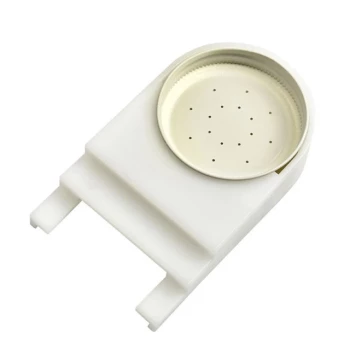
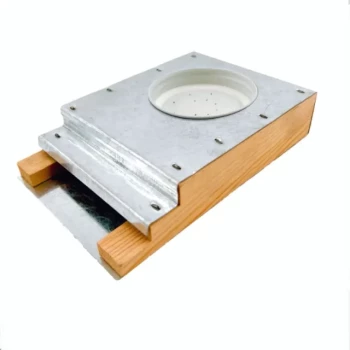
The primary function of hive feeders during the initial management phase of a newly hived package is to provide a consistent, easily accessible source of energy, typically in the form of 1:1 sugar syrup. This supplementation bridges the gap between the colony’s installation and its ability to forage independently, ensuring survival when natural resources are scarce due to early spring conditions or inclement weather.
By simulating a heavy nectar flow, supplementary feeding does more than sustain the bees; it acts as a biological trigger. It stimulates the queen to begin laying eggs and fuels the energy-intensive process of wax secretion, significantly shortening the time before the colony becomes productive.
Accelerating Colony Establishment
Fueling Comb Construction
For a new package of bees, the immediate priority is building a home. The primary reference notes that sugar syrup accelerates the secretion of beeswax by worker bees.
Without this energy-rich carbohydrate source, bees cannot produce the wax scales necessary to construct the comb infrastructure required for food storage and brood rearing.
Triggering Population Growth
The presence of a consistent food source signals abundance to the colony. This direct stimulation encourages the queen to lay eggs, initiating the brood cycle immediately.
Rapid establishment of the brood nest is critical for replacing the aging population of the original package bees with new, locally reared workers.
Mitigating Environmental Risks
Compensating for Resource Scarcity
New colonies are often established in early spring when natural nectar may not yet be flowing. Feeders ensure the colony has a consistent energy source regardless of external bloom conditions.
Overcoming Weather Constraints
Even if flowers are blooming, foraging is impossible during rainy weather or dearth periods. Internal hive feeders allow the colony to continue developing without interruption during these periods of confinement.
Understanding the Trade-offs
The Cost of Reliance on Nature
Relying solely on natural nectar sources during the establishment phase introduces significant risk. If the weather turns poor or a dearth occurs, the colony's development stalls immediately.
The Impact on Production Timing
The text highlights that the ultimate goal of feeding is shortening the transition period. Failing to feed extends the "establishment phase," delaying the colony's ability to reach the "honey production phase."
Making the Right Choice for Your Goal
To maximize the success of your new package bees, consider your specific objectives when managing hive feeders.
- If your primary focus is Rapid Build-up: Provide a continuous supply of 1:1 sugar syrup to maximize wax production and brood rearing speed.
- If your primary focus is Risk Management: Ensure feeders are full during rainy periods or nectar dearths to prevent stalling colony momentum.
Consistent feeding during the establishment phase is the single most effective lever for converting a fragile package into a production-ready colony.
Summary Table:
| Key Function | Primary Benefit | Why It Matters |
|---|---|---|
| Energy Supply | 1:1 Sugar Syrup | Sustains bees when natural nectar is scarce or weather is poor. |
| Biological Trigger | Stimulates Queen Laying | Accelerates the brood cycle to replace aging package bees quickly. |
| Comb Construction | Fuels Wax Secretion | Essential for building the infrastructure needed for brood and storage. |
| Risk Mitigation | Weather Independence | Prevents colony stalling during rainy periods or early spring dearths. |
Scale Your Apiary Operations with HONESTBEE
Transitioning from fragile packages to high-yield production colonies requires more than just timing—it requires professional-grade equipment. At HONESTBEE, we empower commercial apiaries and distributors with a comprehensive wholesale selection of beekeeping tools, specialized machinery, and essential consumables.
Whether you need precision hive-making equipment, industrial honey-filling machines, or a bulk supply of durable hive feeders, our portfolio is designed to maximize your efficiency and output.
Ready to elevate your beekeeping business? Contact us today to explore our wholesale solutions and discover how our expertise can fuel your growth.
References
- Ali TAHİROV, Yu. Rustamli. The Impact of Pack Bees on Honey Production. DOI: 10.33619/2414-2948/117/47
This article is also based on technical information from HonestBee Knowledge Base .
Related Products
- Professional Hive Top Bee Feeder for Beekeeping
- HONESTBEE Professional Hive Top Bee Feeder Feeding Solution
- Professional Hive Front Entrance Bee Feeder
- HONESTBEE Professional Entrance Bee Feeder Hive Nutrition Solution
- HONESTBEE Square Top Hive Bee Feeder Top Bee Feeder
People Also Ask
- Do I need an inner cover with a hive top feeder? Optimize Your Hive Setup for Healthy Bees
- What is a hive top feeder? A Guide to Efficient, Low-Stress Beekeeping
- What is a hive top feeder, and how does it work? A Complete Guide to Efficient In-Hive Feeding
- What are the characteristics, advantages, and disadvantages of hive top feeders? Optimize Your High-Volume Feeding
- How does a hive top feeder work? Optimize Your Apiary's Nutrition and Security