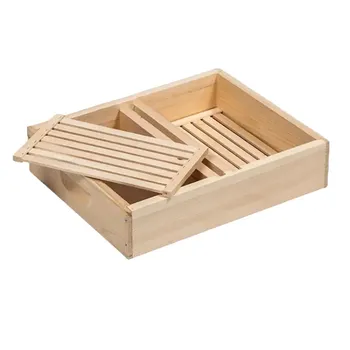
Nosemosis can spread through hive feed when contaminated material or equipment allows healthy bees to ingest Nosema spores. Spores may be present in contaminated honey, pollen, wax, comb, or syrup, and can transfer through shared feeders, soiled frames, bee excrement, robbing, and careless hive handling. For commercial apiaries, the practical control is to use enclosed, hygienic feeding equipment—especially internal hive feeders, top feeders, and rapid frame feeders—combined with strict cleaning and equipment segregation.
Core takeaway: Feeding is not automatically a disease risk; contaminated feed and poorly managed feeding equipment are. Commercial operations should avoid open feeding and random frame transfers, while selecting feeders that keep syrup protected, limit fecal contamination, reduce spills, and can be cleaned or disinfected efficiently.
How Nosemosis Spreads Through Hive Feed
The primary transmission route
Nosema spores are shed in the feces of infected adult bees. Healthy bees become infected when they ingest spores while consuming contaminated food or cleaning soiled comb and hive surfaces.
Once ingested, spores develop in the adult bee’s midgut and reproduce inside the gut lining. This weakens digestion, shortens worker lifespan, and reduces flight and colony productivity.
How feed becomes contaminated
Feed can become a transmission vehicle when it contacts:
- Contaminated honey or pollen
- Soiled comb and frames
- Fecal material inside the hive
- Dirty feeder surfaces
- Used equipment transferred from infected colonies
- Syrup spilled during feeding or hive manipulation
A feeder does not need to contain visibly spoiled feed to present a risk. Microscopic spores can be transferred through residual syrup, contaminated contact surfaces, or bee excrement.
Why confined bees are especially vulnerable
During cold, wet, or otherwise unsuitable weather, bees remain inside the hive and have fewer opportunities to defecate outside. This increases contamination on comb and surfaces and raises the likelihood that bees will ingest spores while cleaning or feeding.
Crowding around a poorly designed feeder can intensify this exposure, particularly if bees defecate near or inside the feeding area.
Which Feeding Equipment Commercial Apiaries Should Use
Internal hive feeders for sanitary, protected feeding
Internal hive feeders keep syrup inside the hive and away from robber bees, drifting bees, rain, and debris. They are generally preferable to open feeding when the objective is to reduce disease transfer between colonies.
Their main advantages are:
- Reduced exposure to outside bees
- Lower risk of triggering robbing
- More controlled colony-by-colony feeding
- Less syrup spillage around the apiary
- Easier integration into routine hive management
For commercial use, choose designs with stable reservoirs, secure access points, and surfaces that can be thoroughly washed and disinfected.
Top feeders for efficient commercial handling
Top feeders allow beekeepers to replenish syrup from above with limited disturbance to the colony. This is useful in large apiaries where rapid servicing, reduced hive opening, and consistent feeding procedures are important.
A suitable top feeder should:
- Prevent bees from drowning
- Separate the syrup reservoir from the hive interior where practical
- Minimize bee excrement entering the feed
- Resist leakage and overflow
- Be removable for cleaning and inspection
- Remain compatible with the hive configuration
Top feeders are particularly valuable when apiaries require fast order fulfillment across many colonies without excessive manipulation.
Rapid frame feeders for standardized operations
Rapid frame feeders are useful when colonies require quick, measured access to syrup during inspections, stimulation, or nutritional support. Their frame-like form can fit within the brood chamber and support standardized feeding across large numbers of hives.
For commercial deployment, prioritize models that provide:
- Easy filling and removal
- Secure placement inside the hive
- Low leakage risk
- Bee-safe access
- Smooth, washable internal surfaces
- Compatibility with routine hive sanitation procedures
The correct design should reduce handling time without making sanitation more difficult.
How to Manage Feed Safely
Use uncontaminated feed inputs
Syrup, pollen supplements, and protein patties should come from controlled, traceable sources and should not be returned from colonies to a common supply container. Contaminated honey, pollen, or wax should not be redistributed to healthy colonies.
When using nutritional additives or feeding stimulants, follow product instructions and local regulations. Essential oils or other supplements should not be treated as substitutes for hygiene, diagnosis, or approved disease-control measures.
Feed inside the hive
Open feeding can attract bees from multiple colonies and encourage:
- Robbing
- Drifting
- Increased contact between colonies
- Transfer of contaminated food
- Wider spread of pathogens and mites
For Nosemosis risk reduction, inside-hive feeding is the safer commercial standard. Beekeepers should also avoid spilling syrup during late-season work or periods when robbing pressure is high.
Prevent contamination from bee excrement
Feeders should be designed and positioned to minimize the chance that bees defecate in or around the syrup reservoir. Feeders with inaccessible corners, excessive interior surfaces, or difficult-to-clean channels can retain contamination.
During inspections, remove any feeder with visible fecal contamination, fermentation, mold, or unexplained residue. Do not simply top it up with fresh syrup.
Hygiene Requirements for Commercial Apiaries
Dedicate tools and protective equipment
Hive tools, gloves, and other handling equipment should be managed to prevent pathogen movement between apiaries. Where operationally practical, dedicate equipment to individual apiaries or clearly separated health groups.
At minimum, tools should be cleaned and sanitized between units or groups when disease is suspected.
Control frame and comb movement
Randomly transferring frames from weak or unhealthy colonies is a major route for moving Nosema spores and other pathogens. Commercial operations should avoid transferring soiled brood comb, contaminated food stores, or unverified equipment between colonies.
Old hive parts and used frames should be disinfected according to an appropriate, validated procedure before reuse. Second-hand combs of unknown origin should generally be avoided.
Inspect feeders as part of routine health checks
Feeder condition should be assessed alongside colony strength and adult-bee health. Useful inspection points include:
- Leaks or syrup accumulation
- Fecal contamination
- Mold or fermentation
- Dead bees or drowning
- Cracks and difficult-to-clean surfaces
- Poor fit that permits robbing
- Residue from previous feed batches
Routine inspection is especially important because Nosemosis may not produce obvious external signs. Laboratory examination of adult bee tissues remains the reliable method for confirming infection.
Understanding the Trade-offs
Internal feeders versus open feeding
Open feeding can be fast and convenient for distributing large volumes of syrup, but it creates direct contact between colonies and increases robbing and disease-transfer risks.
Internal feeding requires more individual handling and equipment, yet provides much better control over which colony receives the feed.
High-capacity feeders versus sanitation
Large-capacity feeders reduce refill frequency and labor, but they may be harder to remove, inspect, and disinfect. A larger reservoir is not an advantage if it allows contaminated syrup to remain unnoticed.
For commercial operations, cleanability and leak prevention are as important as volume.
Nutritional support versus disease control
Syrup and protein supplements can help maintain colony strength during stress or pollen dearths. However, improved nutrition does not eliminate Nosema spores or replace diagnosis, sanitation, contaminated-comb management, or approved treatments where indicated.
Standardization versus apiary-specific conditions
A single feeder type can simplify purchasing, training, spare-parts management, and rapid distribution across a commercial network. Nevertheless, the equipment must match the hive format, climate, colony strength, and operating procedures used at each site.
Building a Commercial Feeding Program
Establish clean and dirty equipment flows
Separate unused or disinfected feeders from equipment awaiting cleaning. Do not place clean feeders on contaminated surfaces or return used equipment directly to general inventory.
Clear labeling and defined storage zones help prevent accidental cross-use between health groups.
Use a documented sanitation process
A commercial feeding program should specify:
- When feeders are removed from service
- How residual feed is discarded
- Which cleaning and disinfection method is approved
- How feeders are dried and inspected
- How clean equipment is stored
- When equipment must be replaced rather than reused
The exact disinfectant and exposure procedure should be compatible with the feeder material and local veterinary or beekeeping guidance.
Source equipment consistently
Distributors and commercial beekeepers should evaluate suppliers based on more than unit price. A dependable program requires a full range of compatible feeders, replacement parts, hive tools, sanitation supplies, protective equipment, and apiary consumables.
Reliable stock availability, technical product support, rapid response, and fast delivery are operational advantages when large apiaries need to replace contaminated equipment quickly.
Making the Right Choice for Your Goal
The most suitable equipment package depends on colony scale, hive format, labor availability, and the apiary’s disease-control procedures.
- If your primary focus is minimizing pathogen transfer: Use internal hive feeders or sealed top feeders, avoid open feeding, and dedicate or sanitize equipment between apiary health groups.
- If your primary focus is high-volume commercial feeding: Standardize compatible top or rapid frame feeders that can be filled, removed, inspected, and cleaned quickly.
- If your primary focus is reducing colony disturbance: Choose top feeders that allow replenishment from above while maintaining secure, bee-safe access.
- If your primary focus is sanitation: Select feeders with smooth, accessible surfaces, minimal leakage points, and no difficult-to-clean recesses.
- If your primary focus is distributor or reseller supply: Build a complete, consistently available portfolio covering feeders, hive maintenance tools, sanitation products, protective equipment, and replacement consumables.
The strongest Nosemosis-control strategy combines protected in-hive feeding, clean equipment, controlled frame movement, routine inspection, and dependable access to replacement supplies.
Summary Table:
| Equipment Type | Key Features | Nosemosis Mitigation |
|---|---|---|
| Internal Hive Feeders | Enclosed, placed inside the hive | Reduces cross-colony contact, prevents robbing, minimizes fecal contamination |
| Top Feeders | Accessible from above, minimal colony disturbance | Easy to service, reduces spillage, limits bee excrement in feed |
| Rapid Frame Feeders | Fit within brood chamber, quick filling | Standardizes feeding, easy to clean, supports rapid inspections |
Protect your apiary from Nosemosis with the right feeding equipment. At HONESTBEE, we offer a comprehensive range of internal hive feeders, top feeders, and rapid frame feeders designed for easy cleaning and disease prevention. As a one-stop supplier for commercial apiaries and distributors, we provide high-quality beekeeping tools, machinery, and consumables. With fast order fulfillment, dedicated customer service, and deep industry expertise, we help you maintain healthy colonies and reliable supply chains. For distributors, we offer OEM/ODM support, competitive margins, and certified products. Contact us today to discuss your feeding needs and discover how we can enhance your operation's efficiency and biosecurity.
Related Products
- HONESTBEE Professional Hive Top Bee Feeder Feeding Solution
- Professional Hive Top Bee Feeder for Beekeeping
- Premium Wood Hive Top Feeder with Floating Rafts for Langstroth Hives
- HONESTBEE Entrance Bee Feeder Efficient Hive Front Liquid Feeding Solution for Beekeeping
- Professional Hive Front Entrance Bee Feeder
People Also Ask
- How does a bee hive top feeder work? A Guide to Efficient, Protected Feeding
- What is a hive top feeder? A Guide to Efficient, Low-Stress Beekeeping
- Do I need an inner cover with a hive top feeder? Optimize Your Hive Setup for Healthy Bees
- What is a hive top feeder, and how does it work? A Complete Guide to Efficient In-Hive Feeding
- What are the characteristics, advantages, and disadvantages of hive top feeders? Optimize Your High-Volume Feeding