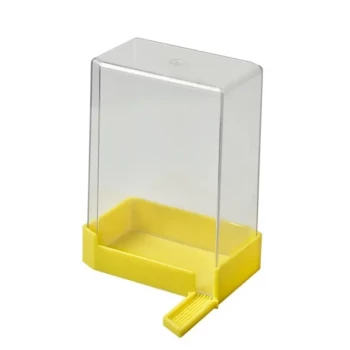
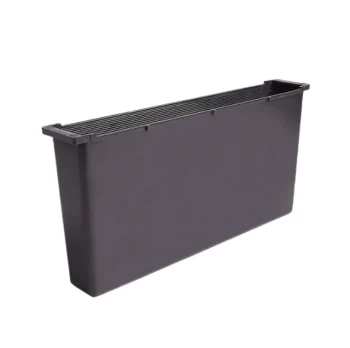
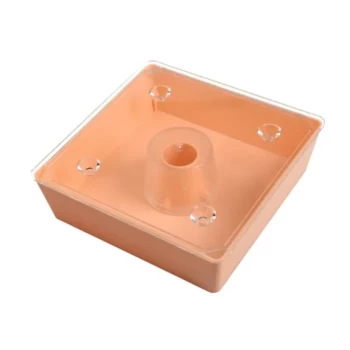
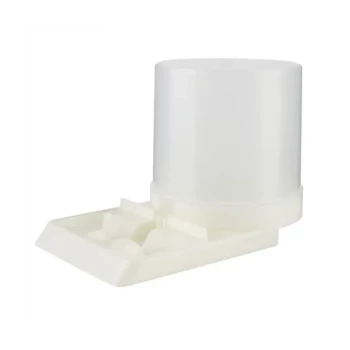
Rapid larval growth makes feeding capacity a production requirement, not an optional hive accessory. Honeybee larvae can increase their body weight about 5.5 times during the first day and up to 1,500 times over six days. Because nurse bees may visit developing larvae approximately 10,000 times, commercial apiaries need reliable pollen, syrup, and internal feeding equipment that can keep nutrition available during brood-rearing peaks.
The central issue is continuity: rapid larval development quickly exposes any weakness in a colony’s food supply. Properly matched feeders and dependable nutritional products help prevent brood cannibalism, support cell capping, and preserve the strong populations commercial operations need.
Why Rapid Larval Growth Changes Feeding Requirements
Larvae Create a Concentrated Nutritional Demand
Larvae do not consume food at a steady, low rate. Their exceptionally rapid weight gain creates a concentrated demand for protein, carbohydrates, lipids, vitamins, minerals, and water during a short development window.
An individual larva may consume approximately 100 mg of pollen during development, while a standard colony may require about 19.9 kg of pollen and 6.8 kg of honey annually for maintenance and growth.
Nurse Bees Are Part of the Feeding System
Nurse bees process incoming pollen and nectar into brood food through their hypopharyngeal and related glands. Sustained brood rearing therefore depends on both food availability and the nurse population’s ability to produce high-quality larval nourishment.
When protein or carbohydrate supplies are inadequate, nurse bees may be unable to support the brood load efficiently. The result can include reduced brood survival, incomplete development, or the removal of larvae as colonies prioritize remaining resources.
Drone Brood Requires Additional Planning
Drone larvae grow larger than worker larvae and require significantly more pollen-enriched food. Colonies raising substantial drone populations can therefore experience a higher protein demand than a simple worker-brood estimate suggests.
Commercial apiaries managing queen production, mating yards, or drone-rearing programs should account for this additional demand when selecting feed volumes, pollen supplements, and feeder capacity.
How Nutrition Supports Commercial Colony Performance
Pollen Supplies Protein for Brood Development
Pollen is the colony’s principal protein source and supports the development of larvae, nurse bees, and newly emerged workers. A shortage during brood rearing can weaken the next generation before it becomes capable of foraging.
Pollen substitutes and protein supplements can help bridge shortages caused by poor weather, seasonal gaps, limited forage, or large-scale apiary operations located in nutritionally inconsistent environments.
Syrup Supports Energy and Brood-Rearing Activity
Liquid carbohydrate feeds provide an accessible energy source when nectar is unavailable or insufficient. They can help colonies maintain brood-rearing activity and reduce pressure on stored honey during forage interruptions.
Syrup feeding does not replace pollen-based nutrition. Commercial feeding programs should coordinate carbohydrate support with adequate protein supplementation rather than treating syrup as a complete diet.
Balanced Nutrition Helps Protect Colony Resilience
Adequate, high-quality nutrition is associated with stronger immunity, lower pathogen loads such as Nosema ceranae, improved drone sperm quality, and better resistance to environmental stresses including pesticide exposure.
It also helps newly emerged workers develop into effective foragers, which supports the colony’s ability to transition from artificial feeding back to natural forage.
What Feeding Equipment Commercial Apiaries Need
Internal Hive Feeders Support Controlled Delivery
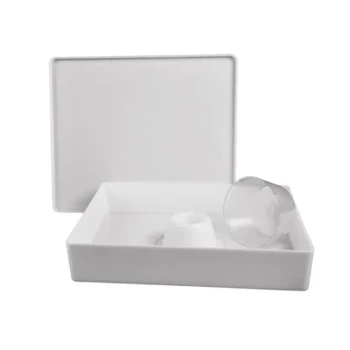
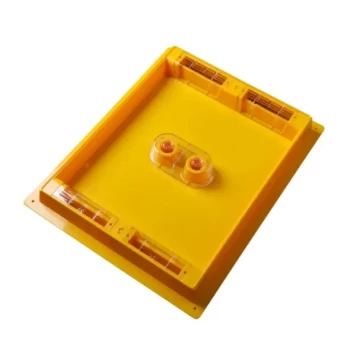
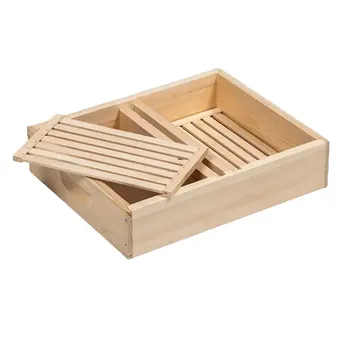
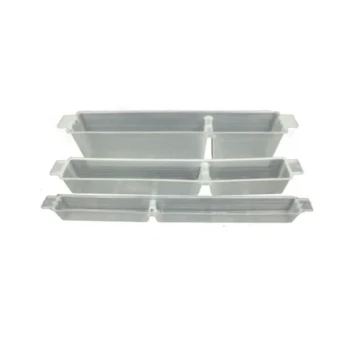
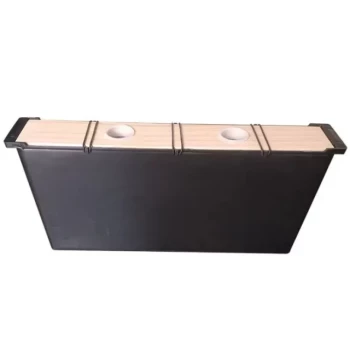
Internal hive feeders place liquid feed close to the colony and can reduce the distance bees travel to access it. They are useful when weather, colony position, or apiary density makes external feeding less practical.
Distributors should offer feeder formats compatible with common hive configurations, along with replacement components and designs that allow inspection, refilling, and cleaning without excessive colony disturbance.
Liquid Syrup Dispensers Must Prioritize Reliability
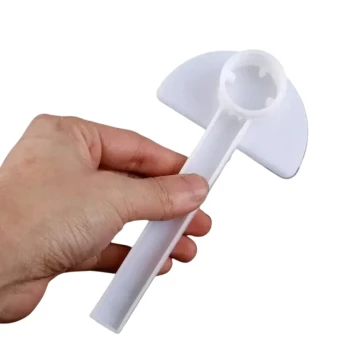
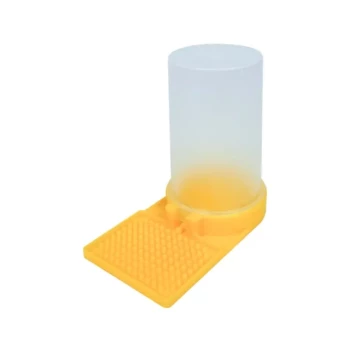
Syrup dispensers should provide consistent flow, minimize leakage, and allow operators to deliver repeatable feed quantities across many colonies. Small failures become operationally significant when a commercial apiary is managing hundreds or thousands of hives.
Useful product characteristics include secure closures, stable mounting, easy volume measurement, durable materials, and straightforward sanitation procedures.
Pollen Feeders Need Weather and Pest Protection
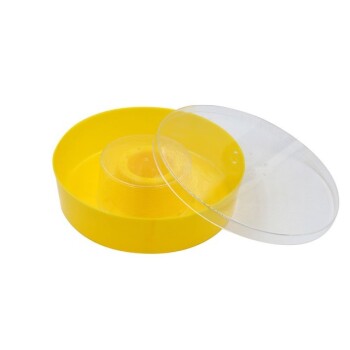
Pollen feeders should keep supplements accessible to honeybees while limiting contamination, moisture exposure, and access by pests. Outdoor placement also makes resistance to rain and degradation important.
For wholesalers and resellers, the relevant product portfolio includes pollen feeders, pollen-substitute containers, protective covers, and compatible handling supplies rather than a single feeder model.
Equipment Must Match the Feeding Program
A feeder is only effective when its capacity and delivery method match the apiary’s nutrition strategy. High brood demand may require larger-volume syrup equipment, more frequent refill schedules, or a combination of internal feeders and pollen delivery systems.
Commercial buyers benefit from one-stop sourcing because feeders, supplements, containers, replacement parts, and sanitation products can be specified as one operational package.
Why Supply Continuity Matters During Brood Rearing
Feeding Gaps Can Trigger Brood Cannibalism
When incoming nutrition cannot meet brood demand, colonies may remove or consume developing larvae. This is a resource-allocation response, but it reduces the colony population and can compromise production schedules.
Reliable feed availability helps commercial operators maintain brood continuity during forage gaps and periods of adverse weather.
Adequate Nutrition Supports Complete Cell Capping
Larvae must receive sufficient nourishment to complete development and reach the capping stage. Inadequate feeding can produce uneven brood patterns and reduce the number of healthy young bees entering the workforce.
Consistent nutrition is therefore relevant to colony strength, queen-rearing performance, pollination contracts, and honey-production capacity.
Large Operations Need Predictable Fulfillment
Commercial apiaries cannot depend on last-minute sourcing during a rapid brood expansion. Delayed delivery of feeders or supplements can create a biological problem before replacement stock arrives.
Distributors serving this market should emphasize accurate inventory information, rapid response times, dedicated technical support, and efficient order fulfillment.
Understanding the Trade-offs
More Feed Capacity Does Not Eliminate Management
Larger feeders reduce refill frequency but can increase the amount of feed exposed to heat, contamination, fermentation, or leakage. Capacity should be based on colony demand, inspection frequency, weather conditions, and labor availability.
Oversizing equipment without a monitoring plan can create waste rather than efficiency.
Supplements Are Not Automatically Equivalent to Natural Forage
Pollen substitutes can help during shortages, but their value depends on formulation, palatability, freshness, and how well they fit the colony’s actual nutritional deficit. They should be treated as support for a feeding program, not as a universal replacement for diverse natural pollen.
Product suppliers should provide clear specifications and handling guidance rather than making unsupported claims about every supplement’s performance.
Poor Feeder Design Can Increase Operational Risk
Leaking syrup can attract pests, encourage robbing, and create unnecessary maintenance. Difficult-to-clean equipment can also introduce hygiene problems between feeding cycles.
Commercial buyers should evaluate seal integrity, access for cleaning, colony disturbance during refilling, and compatibility with existing hive hardware before standardizing a feeder across an apiary.
Feeding Cannot Substitute for Broader Colony Management
Nutrition supports colony resilience, but it does not replace disease monitoring, mite control, forage planning, queen quality assessment, or pesticide-risk management. Feeding equipment should be integrated into the apiary’s broader health and production system.
Making the Right Choice for Your Goal
The best purchasing decision connects biological demand with operational requirements.
- If your primary focus is brood expansion: Prioritize dependable pollen supplements, protein-delivery equipment, and syrup feeders sized for sustained high-demand periods.
- If your primary focus is drone or queen production: Select higher-capacity pollen-feeding systems and nutrition products that can support the greater protein demand of drone-rearing colonies.
- If your primary focus is labor efficiency: Choose feeders with measurable capacity, secure closures, easy refilling, and cleaning procedures that reduce service time across multiple yards.
- If your primary focus is distribution and resale: Build a full-spectrum portfolio that combines internal hive feeders, pollen feeders, syrup dispensers, supplements, replacement parts, and fast fulfillment.
- If your primary focus is seasonal risk management: Maintain stock before predictable forage gaps and poor-weather periods, when delayed access to feed can quickly affect brood survival.
When rapid larval growth is treated as a supply-chain and equipment-planning issue, commercial apiaries can protect brood continuity and build stronger, more productive colonies.
Summary Table:
| Aspect | Impact | Implication |
|---|---|---|
| Larval growth rate | Up to 1500x in 6 days | High, concentrated demand for protein and energy |
| Nurse bee activity | ~10,000 visits per larva | Feed must be accessible and consistent |
| Nutritional needs | Pollen: ~19.9 kg/yr; Honey: ~6.8 kg/yr per colony | Requires reliable supplements and feeders |
| Drone brood | Higher protein demand | Additional pollen supplement planning |
| Feeding gaps | Risk of brood cannibalism | Emphasizes supply continuity |
| Equipment | Internal feeders, syrup dispensers, pollen feeders | Must match program and be reliable |
Ensure your apiary's success with reliable feeding solutions. HONESTBEE offers a full spectrum of feeding equipment and nutritional supplements, backed by rapid delivery and expert support. Whether you need internal feeders, syrup dispensers, or pollen substitutes, we help you maintain brood continuity and colony health. For distributors and commercial beekeepers, we provide one-stop sourcing, OEM/ODM support, and consistent supply. Contact us today to optimize your feeding strategy and protect your investment.
Related Products
- HONESTBEE Professional Hive Top Bee Feeder Feeding Solution
- Professional Hive Top Bee Feeder for Beekeeping
- Premium Wood Hive Top Feeder with Floating Rafts for Langstroth Hives
- HONESTBEE Entrance Bee Feeder Efficient Hive Front Liquid Feeding Solution for Beekeeping
- Professional Hive Front Entrance Bee Feeder
People Also Ask
- How does a bee hive top feeder work? A Guide to Efficient, Protected Feeding
- Do I need an inner cover with a hive top feeder? Optimize Your Hive Setup for Healthy Bees
- What is a hive top feeder? A Guide to Efficient, Low-Stress Beekeeping
- What is a hive top feeder, and how does it work? A Complete Guide to Efficient In-Hive Feeding
- What are the characteristics, advantages, and disadvantages of hive top feeders? Optimize Your High-Volume Feeding