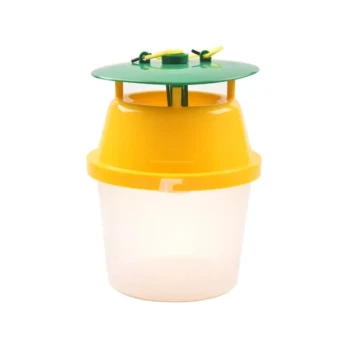
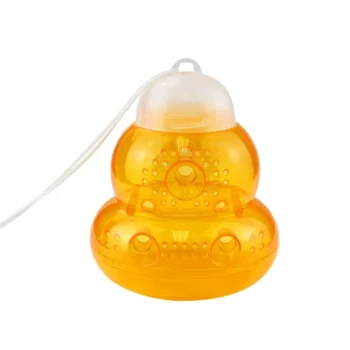
High-frequency inspection of diagnostic traps is the critical variable in Small Hive Beetle (SHB) eradication. Setting a 48-hour inspection cycle allows for detection at the earliest invasion stage when beetle numbers are minimal. This speed enables the destruction of infection sources within 24 hours, effectively preventing the pest from establishing a permanent foothold and causing massive economic losses.
Diagnostic trap inspection frequency determines the transition from simple monitoring to active eradication. A rigorous 48-hour turnaround ensures that early detection data is captured in time to disrupt the beetle's reproductive cycle and prevent colony-wide infestations.
The Impact of a 48-Hour Inspection Cycle
Achieving Early Detection
The primary goal of high-frequency inspection is to identify Aethina tumida when populations are still at a manageable baseline. Rapid detection is the only prerequisite for the prompt destruction of the infection source, which must occur within 24 hours of discovery.
Preventing Population Establishment
By maintaining a strict monitoring schedule, beekeeping technicians can stop the establishment of stable pest populations in new regions. This proactive approach prevents the pest from moving beyond the initial introduction site into the wider environment.
Data Accuracy in Quarantine
Frequent checks provide high-resolution data during quarantine inspections or routine apiary audits. This hardware-based intervention is essential for detecting beetles within illegal queen shipments or sensitive commercial apiaries before they become systemic problems.
Optimizing Trap Performance for Professional Use
Exploiting Natural Pest Behaviors
Diagnostic traps, particularly those made of corrugated plastic, capitalize on the beetle's tendency to seek dark, narrow tunnels to avoid bee attacks. These traps provide an ideal hiding place that mimics the beetle's natural refuge within the hive.
Mechanical Control Mechanisms
Most professional traps use physical control methods, such as thin slots that permit beetle entry while excluding honey bees. Once inside, beetles fall into compartments filled with oil or other substances where they perish without the use of harmful chemicals.
Strategic Trap Placement
Effective eradication strategies require traps to be placed either between frame top bars or at the hive bottom. These specific locations exploit the beetle's light-avoidance behavior, ensuring the highest possible capture rate during the 48-hour monitoring window.
Understanding the Trade-offs and Pitfalls
The Cost of Labor vs. Detection
The most significant trade-off in high-frequency inspection is the intensive labor requirement. While 48-hour cycles provide the best protection, they demand significant technical manpower, which may be a challenge for large-scale commercial operations.
Maintenance and Physical Obstructions
Traps must sit flush against the top bars to function correctly; gaps allow beetles to hide underneath the trap rather than entering it. Technicians must manually scrape away comb or propolis, as a poorly maintained trap can become a sanctuary for the pest rather than a capture tool.
Demographic Limitations
It is critical to recognize that diagnostic traps are primarily effective against adult beetles. They do not capture larvae or eggs, meaning that if the 48-hour inspection window is missed and the beetles begin to breed, additional eradication methods will be required.
Strengthening Your Supply Chain for Rapid Response
Successful eradication depends as much on logistical efficiency as it does on technical frequency. As a distributor or reseller, ensuring your clients have immediate access to specialized hardware is vital for their pest management success.
- If your primary focus is Regional Eradication: Prioritize the 48-hour inspection cycle to ensure infection sources are destroyed within 24 hours of first detection.
- If your primary focus is Large-Scale Monitoring: Deploy low-maintenance contact traps across multiple apiaries to confirm geographic spread while maintaining a consistent inspection schedule.
- If your primary focus is Regulatory Compliance: Utilize specialized monitoring traps during quarantine to identify beetles in shipments before they enter the local ecosystem.
By integrating high-frequency inspections with reliable, professional-grade hardware, apiaries can transform their defense strategy from passive observation to active, successful eradication.
Summary Table:
| Key Parameter | Professional Standard | Strategic Benefit |
|---|---|---|
| Inspection Frequency | Every 48 Hours | Captures early invasion data and prevents colony-wide spread |
| Response Time | Within 24 Hours | Rapid destruction of infection sources stops population growth |
| Primary Target | Adult Beetles | Eliminates breeding adults before they deposit eggs/larvae |
| Trap Placement | Top Bar / Hive Bottom | Maximizes capture by exploiting beetle light-avoidance behavior |
Strengthen Your Inventory with HONESTBEE’s Professional Beekeeping Solutions
For distributors, wholesalers, and B2B resellers, providing reliable pest management hardware is essential for maintaining high-value commercial apiaries. HONESTBEE is your dedicated partner, offering a one-stop sourcing experience for a full spectrum of beekeeping tools, machinery, and consumables.
Why Choose HONESTBEE for Your Wholesale Needs?
- Comprehensive Portfolio: From specialized Small Hive Beetle traps to advanced honey-filling and hive-making machinery.
- Deep Industry Expertise: We understand the technical requirements of commercial beekeeping and provide OEM/ODM support and certifications.
- Unmatched Efficiency: Benefit from rapid response times, dedicated customer service, and ultra-fast delivery to ensure your supply chain never breaks.
Help your clients transform their defense strategy from passive monitoring to active eradication with our premium hardware. Contact our expert team today to discuss bulk pricing and custom orders!
References
- Giovanni Federico, Peter Neumann. Ten years of containing small hive beetles in Southern Italy. DOI: 10.3391/mbi.2025.16.2.14
This article is also based on technical information from HonestBee Knowledge Base .
Related Products
- Professional Bucket Style Wasp and Moth Pheromone Trap
- Gourd Shaped Hanging Wasp Trap Professional Wasp Catcher
- Plastic Beetle Blaster Trap Beekeeping Tools and Supplies
- 30 cm Plastic Entrance Hole Bee Pollen Trap and Collector
- Removable Plastic Pollen Trap With Ventilated Tray for Bees Pollen Collector
People Also Ask
- How do specific pheromones improve pest monitoring accuracy? Achieve High-Integrity Data with Professional Precision
- What is the function of Pheromone Traps in the biosecurity monitoring of apiaries? Precision Tools for Pest Control
- What role do Pheromone Traps play in the IPM for Large African Hive Beetles? Essential Surveillance & Control Tips
- How do professional wasp traps function? Master Physical Control of Oriental Hornets to Protect Your Apiary
- What are the practical advantages of using professional wasp traps and protective equipment in apiary management? Scale Up