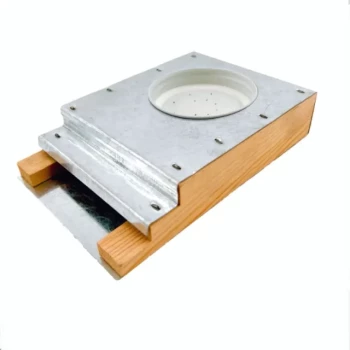
Strategic precision in beekeeping hardware is the cornerstone of modern apiary success. Specialized bee feeders enable beekeepers to simulate natural nectar flow conditions, which triggers the queen to increase egg-laying and motivates workers to forage more aggressively. By providing a controlled, quantitative supply of nutrients during nectar-scarce periods, these tools prevent colony decline and ensure the bee population reaches peak strength exactly when the primary honey flow begins.
Core Takeaway: Specialized bee feeders are essential for transforming passive colony survival into active growth. By enabling precise, leak-proof, and temperature-stable nutrition management, these tools provide the professional-grade reliability required to maximize honey and royal jelly production yields.
Maximizing Colony Productivity Through Precision Hardware
Simulating the Natural Nectar Flow
Specialized feeders are designed to provide a continuous, regulated supply of sugar syrup that mimics a natural environmental nectar surge. This consistent energy source stimulates the hypopharyngeal glands in nurse bees, which is critical for the production of high-quality royal jelly and the healthy development of larvae.
Accelerating Queen Egg-Laying
When a queen senses a steady influx of nutrients through stimulative feeding, she significantly increases her egg-laying rate. This proactive management ensures that the colony's workforce is large enough to capitalize on the first blooms of the season, rather than spending the early spring merely recovering from winter losses.
Maintaining Hive Homeostasis
Advanced feeder designs, such as hive-top or frame-specific models, allow for replenishment without disturbing the core brood area. This minimizes heat loss and maintains the constant humidity required for brood rearing, ensuring that the internal environment remains optimized for growth even during feeding.
Enhancing Operational Efficiency and Biosecurity
Preventing Robbing Behavior
One of the greatest risks in supplemental feeding is syrup leakage, which can attract opportunistic bees from other colonies and trigger robbing behavior. Specialized feeders utilize precision-engineered seals and delivery paths to isolate the feed, protecting the colony's resources and maintaining apiary order.
Mitigating Bee Mortality
Standard open containers often lead to significant worker bee losses due to drowning. Professional feeders incorporate anti-drowning structures and textured climbing surfaces, ensuring that the maximum number of bees can access the nutrients safely and return to their duties within the hive.
Streamlining Quantitative Delivery
Professional-grade feeders allow beekeepers to implement quantitative feeding schedules, such as delivering exactly 1.0 liter of syrup every six days. This scientific approach reduces the labor costs associated with frequent hive inspections and ensures that every colony receives a standardized dose of nutrition.
Understanding the Trade-offs and Risks
The Risk of Inferior Equipment
Using non-specialized or "DIY" feeding solutions often results in inconsistent delivery rates, which can confuse the colony's natural cycle rather than stimulate it. Furthermore, poor-quality plastics can degrade under UV exposure or react with syrup, potentially contaminating the food source and harming colony health.
Over-Stimulation vs. Starvation
While stimulative feeding is beneficial, it requires a balance; over-feeding can lead to "honey bound" hives where the queen has no room to lay eggs. Specialized feeders solve this by providing controlled access, allowing the beekeeper to regulate the pace of consumption to match the colony's actual developmental needs.
Making the Right Choice for Your Goal
As a distributor or wholesaler, your choice of inventory directly impacts the operational success of your clients. Providing a comprehensive, full-spectrum portfolio of specialized feeders demonstrates deep industry expertise and a commitment to professional-grade results.
- If your primary focus is maximizing honey production yield: Prioritize hive-top feeders that allow for high-volume, rapid replenishment to build massive colony populations before the main flow.
- If your primary focus is royal jelly or queen rearing: Recommend frame-positioned feeders that provide the constant, high-protein/sugar proximity needed to stimulate nurse bee gland development.
- If your primary focus is large-scale apiary efficiency: Focus on standardized, stackable feeders that offer ultra-fast filling and minimal hive disturbance to reduce labor-per-colony.
Empowering your clients with precision nutrition hardware ensures their colonies remain resilient, productive, and profitable throughout the entire season.
Summary Table:
| Feature | Primary Benefit | Operational Impact |
|---|---|---|
| Regulated Flow | Mimics natural nectar surge | Triggers queen egg-laying & colony growth |
| Anti-Drowning | Reduces worker bee mortality | Preserves workforce for maximum foraging |
| Precision Seals | Prevents syrup leakage | Eliminates robbing behavior & biosecurity risks |
| Hive-Top Design | Maintains thermal homeostasis | Minimizes heat loss during brood rearing |
| Quantitative Delivery | Scientific dosing control | Reduces labor costs & ensures uniformity |
Elevate Your Inventory with HONESTBEE’s Professional Solutions
Maximize your profit margins and supply reliability by partnering with HONESTBEE. As a premier one-stop sourcing partner for distributors and B2B resellers, we provide a comprehensive full-spectrum product portfolio—from precision-engineered bee feeders and hive-making machinery to honey-filling equipment and essential industry consumables.
Why partner with us?
- Deep Industry Expertise: Our hardware is designed for professional-grade apiary success.
- Rapid Fulfillment: Benefit from ultra-fast delivery and efficient order fulfillment.
- Dedicated Support: Exceptional customer service with rapid response times.
- Tailored Services: OEM/ODM support to help you capture unique market opportunities.
Ready to streamline your supply chain with premium beekeeping tools and machinery?
References
- Mercedes Borja Bravo, Sergio Arellano‐Arciniega. Características de los tipos de apicultores en Chihuahua, México. DOI: 10.22319/rmcp.v16i1.6543
This article is also based on technical information from HonestBee Knowledge Base .
Related Products
- HONESTBEE Professional Hive Top Bee Feeder Feeding Solution
- Professional Hive Top Bee Feeder for Beekeeping
- HONESTBEE Entrance Bee Feeder Efficient Hive Front Liquid Feeding Solution for Beekeeping
- HONESTBEE Entrance Bee Feeder Professional Hive Nutrition Solution for Beekeeping
- Professional In-Hive Bee Feeder HONESTBEE Frame for Beekeeping
People Also Ask
- How does a bee hive top feeder work? A Guide to Efficient, Protected Feeding
- What is a hive top feeder? A Guide to Efficient, Low-Stress Beekeeping
- Do I need an inner cover with a hive top feeder? Optimize Your Hive Setup for Healthy Bees
- What is a hive top feeder, and how does it work? A Complete Guide to Efficient In-Hive Feeding
- What are the characteristics, advantages, and disadvantages of hive top feeders? Optimize Your High-Volume Feeding