To use a container feeder with a sealable lid, you must fill a jar or tin with syrup, punch small access holes in the lid, and invert it directly over the hive's internal frames. Crucially, this method requires the use of wooden risers to create space for the bees and an empty super to enclose the feeder before replacing the hive lid.
Core Takeaway This technique transforms a standard vessel into a "closed" feeding system that relies on vacuum pressure. By inverting the container on spacers, you allow bees to access nourishment safely from underneath without exposing the hive to open syrup or drowning risks.
Preparing the Feeder Assembly
Selecting the Container
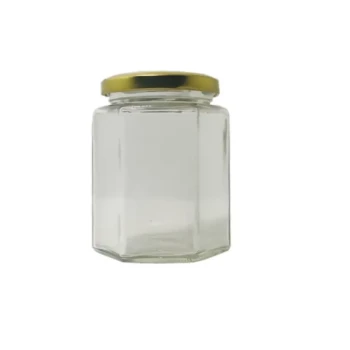
Start with a clean container, such as a glass jar or a tin. The vessel must feature a secure, sealable lid (often a push-down style) to maintain the necessary internal vacuum once inverted.
Creating Access Points
Using a small nail or similar tool, punch 6 to 8 very small holes in the lid. These perforations function as the interface for the bees to draw down the syrup.
Positioning the Feeder in the Hive
Installing Wooden Risers
Before placing the feeder, lay two 12mm high wooden risers across the top bars of the frames in the hive's top box. These risers are the most critical component of the setup.
Establishing Bee Space
The risers create necessary bee space between the frames and the feeder lid. Without this gap, the bees would be physically unable to reach the holes to access the syrup.
Inverting the Container
Invert the filled container so the lid faces downward. Place it directly onto the wooden risers, ensuring it is stable and the holes are accessible from below.
Securing and Enclosing the Setup
Adding an Empty Super
Because the container sits on top of the frames, the standard hive lid will no longer fit flush. You must place an empty super (a hive box without frames) over the top of the hive to surround the feeder.
Closing the Hive
Finally, place the hive lid on top of the empty super. This fully encloses the feeder, protecting the colony from the elements and preventing robber bees from accessing the syrup from the outside.
Understanding the Trade-offs
Temperature Limitations
Avoid using this method during cold weather when bees cannot take cleansing flights. If the temperature is too low for the bees to break cluster and fly, syrup feeding should be paused in favor of solid alternatives like winter patties.
Equipment Requirements
Unlike entrance feeders, this method requires extra equipment—specifically an empty super and wooden risers. You must ensure you have these components available before mixing your syrup.
Leakage Risks
While safer than open pans, a closed container relies on a vacuum seal. If the holes are punched too large or the lid is not secure, syrup can leak rapidly onto the cluster, potentially chilling the bees or triggering robbing behaviors from other colonies.
Making the Right Choice for Your Goal
If your primary focus is establishing a new colony: Use a 1:1 sugar-to-water ratio (white sugar only) in your container to stimulate wax production and comb building in the spring.
If your primary focus is preventing drowning: Prioritize this closed container method over open trays, as the vacuum seal allows bees to feed without the risk of falling into a liquid pool.
If your primary focus is feeding during cold snaps: Do not use liquid syrup feeders; switch to solid winter patties to prevent dysentery and hive moisture issues.
Success with a container feeder relies entirely on the combination of a tight vacuum seal and the correct vertical spacing provided by the risers.
Summary Table:
| Component | Purpose | Requirement |
|---|---|---|
| Sealable Container | Holds syrup & creates vacuum | Clean glass or tin with secure lid |
| 6-8 Small Holes | Allows syrup access | Punched in the lid using a small nail |
| 12mm Wooden Risers | Creates bee space | Placed across top bars for frame clearance |
| Empty Super | Encloses the feeder | Provides vertical space for the container |
| Syrup Ratio (1:1) | Stimulates growth | Recommended for spring/new colonies |
Scale Your Apiary Operations with HONESTBEE
Maximize your colony's health and productivity with professional-grade tools from HONESTBEE. Whether you are a commercial apiary or a distributor, we provide the comprehensive wholesale solutions you need—from specialized hive-making and honey-filling machinery to a full spectrum of beekeeping hardware and essential consumables.
Partner with HONESTBEE to access:
- High-efficiency equipment designed for large-scale production.
- Durable hardware and specialized tools for professional beekeepers.
- A diverse portfolio of honey-themed cultural merchandise.
Contact us today to explore our wholesale offerings!
Related Products
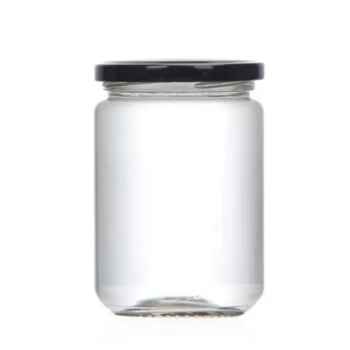
- Classic Round Glass Honey Jar with Lid
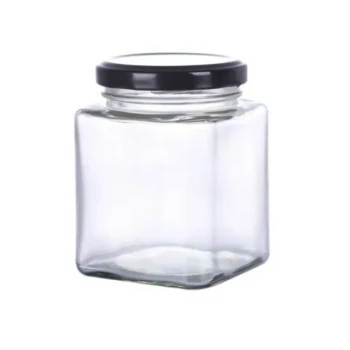
- Modern Square Glass Honey Jar with Twist Off Lid
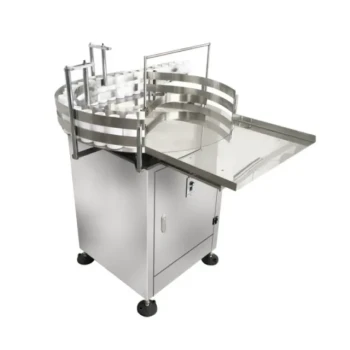
- Automated Rotary Bottle Unscrambler for Honey Production Line
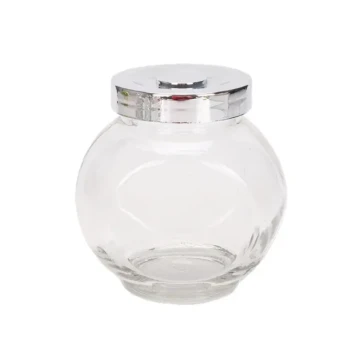
- Classic Drum Shaped Glass Honey Jar with Airtight Lid
- Stainless Steel Honey Storage Tank with Lid for Honey
People Also Ask
- What is the aesthetic appeal of using glass jars for honey? Elevate Your Brand with Premium Packaging
- What are the advantages of glass containers for honey? Elevate Quality and Market Value with Premium Packaging
- How does the appearance of glass jar packaging affect the sales and perception of honey? Boost Your Premium Brand Value
- Why is a glass jar preferred for packaging honey? Ultimate Protection for Purity & Flavor
- What are the advantages of using high-quality glass containers in the commercial packaging of honey? Boost Premium Value