A specialized measurement frame with a metal wire grid functions as a precision tool for quantifying the biological assets within a hive. By overlaying this wooden frame—typically featuring a grid of 2 square centimeter cells—directly onto a honeycomb, technicians can calculate the exact area occupied by sealed brood and stored pollen. This hardware replaces subjective visual estimates with verifiable quantitative data.
The core value of this device is the elimination of estimation errors in apiary management. It converts the visual assessment of a colony into hard metrics, allowing for the scientific evaluation of how specific feeding programs or environmental factors directly impact colony development.
The Mechanics of Quantitative Assessment
The Grid Overlay Technique
The device consists of a wooden frame holding a precise metal wire grid.
The standard configuration often creates cells measuring 2 square centimeters.
To use it, a technician places the frame directly against the face of a honeycomb pulled from the hive.
From Visuals to Metrics
Once the frame is in place, the observer counts the number of grid squares covering specific hive elements.
The primary metrics gathered are the areas of sealed (capped) brood and stored pollen.
This process translates the biological "spread" on a comb into a calculated total area in square centimeters.
Why Precision is Critical for Development
Eliminating Observer Bias
Without a grid, assessing colony strength is largely a guessing game based on visual impressions.
Two different beekeepers might estimate the coverage of a frame differently.
The wire grid standardizes this process, ensuring that the data remains consistent regardless of who performs the measurement.
Evaluating Feeding Programs
The primary application of this data is to measure the efficacy of interventions.
By comparing brood areas before and after specific feeding regimens, technicians can objectively determine if a diet is working.
This reveals whether a colony is actually converting supplementary food into new population growth.
Understanding the Trade-offs
Time vs. Accuracy
While grid measurement provides superior data, it is significantly more time-consuming than visual estimation.
Technicians must physically handle frames and perform counts, which slows down the inspection process.
Colony Disturbance
To get a total calculation, the hive must remain open longer than during a standard inspection.
Prolonged exposure can stress the colony or alter the internal temperature, potentially impacting the very development you are trying to measure.
Making the Right Choice for Your Goal
To maximize the utility of a measurement frame, align its use with your specific management objectives:
- If your primary focus is testing nutritional supplements: Use the grid to measure strict "before and after" changes in the sealed brood area to validate the feed's effectiveness.
- If your primary focus is routine management: Reserve detailed grid measurement for a sample set of hives rather than the whole apiary to minimize overall colony disturbance.
By transforming biological activity into standardized data, you move your management strategy from intuition to evidence.
Summary Table:
| Feature | Specification/Detail |
|---|---|
| Core Tool | Wooden frame with 2 sq. cm metal wire grid cells |
| Primary Metrics | Sealed brood area and stored pollen volume |
| Measurement Unit | Total area in square centimeters (cm²) |
| Key Benefit | Replaces subjective visual estimates with verifiable data |
| Main Application | Evaluating feeding programs and environmental impacts |
| Trade-off | Higher accuracy requires more time and colony exposure |
Optimize Your Apiary with Professional Data
At HONESTBEE, we understand that precision is the foundation of successful commercial beekeeping. As a dedicated partner to commercial apiaries and global distributors, we provide more than just tools—we provide solutions that scale.
Our extensive wholesale portfolio includes everything from specialized hardware and hive-making machinery to the very consumables and measurement tools needed to quantify your colony growth. Whether you are looking to equip a large-scale operation or expand your distribution catalog with high-quality honey-themed merchandise and equipment, we are here to support your growth.
Ready to elevate your beekeeping business with professional-grade equipment?
Contact HONESTBEE Today for Wholesale Inquiries
References
- Mohamed A. Salman. إستعمال مكملات وبدائــل حبــوب اللقاح فـــي التغذية وأثرها في نشاط طوائـــــف نحـل العسـل. Apis mellifera L في موسـم الصيـف. DOI: 10.59658/jkas.v1i1.339
This article is also based on technical information from HonestBee Knowledge Base .
Related Products
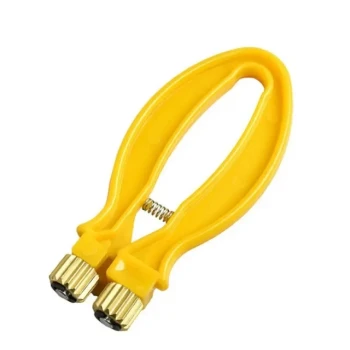
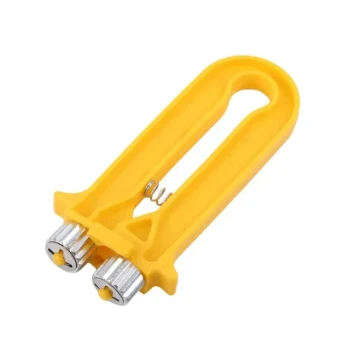
- HonestBee Ergonomic Frame Wire Crimper with Plastic Handles and Metal Gears Choice
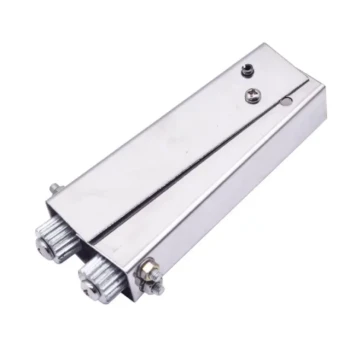
- HONESTBEE Heavy Duty All Metal Frame Wire Crimper Tool
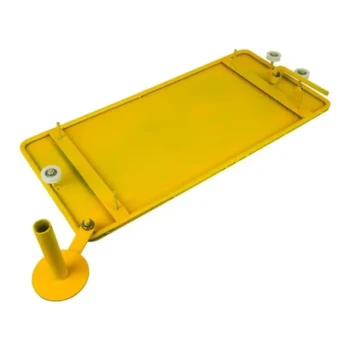
- HONESTBEE Durable Frame Wiring Board with Integrated Tensioner
- HONESTBEE Professional Frame Wiring Board and Jig
- Stainless Steel Bee Hive Frame Wire for Beekeeping
People Also Ask
- What tools and materials are required for wiring a beehive frame? Essential Equipment for Stronger Honeycomb
- What are the drawbacks of wiring beehive frames? Key Limitations and Structural Trade-offs Revealed
- What are the arguments for and against wiring beehive frames? Balance Durability and Management Flexibility
- Can wired frames be cleaned and rehabbed? A Guide to Safe, Cost-Effective Frame Restoration
- What is the purpose of wiring frames in beekeeping? Ensure Hive Durability & Efficient Honey Harvests