The primary drawback of wiring beehive frames is the physical obstruction it creates within the honeycomb. This internal barrier makes it difficult to cut away large sections of comb, impeding the removal of queen cells for propagation or the harvesting of "chunk honey" for consumption.
Core Takeaway While wiring provides structural reinforcement against centrifugal force, it sacrifices the flexibility of the comb. It transforms the frame from a versatile biological structure into a rigid unit that is time-consuming to assemble and restrictive to manipulate.
The Physical Limitations of Wired Frames
Difficulty in Comb Removal
The most immediate operational issue with wired frames is the inability to slice through the wax freely.
Because the wire is embedded within the foundation, you cannot cut out large, continuous squares of honeycomb. This effectively rules out the production of cut-comb honey or chunk honey using standard wired frames.
Interference with Queen Management
For beekeepers involved in queen rearing or splitting hives, wires pose a precision problem.
If you identify a high-quality queen cell that you wish to remove and transplant to another hive, the wire often runs directly through or near the cell. Attempting to cut the cell out can result in damaging the larva or destroying the cell structure entirely.
Harvesting Restrictions
While you can harvest honey from these frames, your options are limited.
You are generally restricted to harvesting only small pieces of comb that fit between the wires. However, it is important to note that properly installed wires do not interfere with the uncapping knife or the actual spinning process during liquid honey extraction.
The Assembly Burden
A Time-Consuming Process
Beyond the hive, the major drawback of wiring occurs in the workshop.
Wiring is widely regarded as a labor-intensive task. It requires threading wire through eyelets, tensioning it correctly, and embedding it into the wax foundation.
Consistency Challenges
The quality of a wired frame is highly dependent on the skill of the builder.
Inconsistent tension can lead to warped foundation or frames that do not hang straight. This structural inconsistency can make frames difficult to slot into the hive or remove during inspections.
Understanding the Trade-offs
The "Over-Engineering" Problem
A significant counter-argument to wiring is that it may be unnecessary for certain hive configurations.
Critics argue that wiring is superfluous for deep brood boxes or frames that will never be placed in a centrifugal extractor. In these scenarios, the natural strength of the comb (or the foundation itself) is often sufficient, making the wire a wasted expense and effort.
Structural Integrity vs. Versatility
The decision to wire is a balance between durability and usability.
- The Risk of Not Wiring: Without wire, heavy honey-laden frames can "blow out" or collapse when spun in an extractor.
- The Cost of Wiring: You gain burst protection, but you lose the ability to easily manipulate the wax for other uses.
Making the Right Choice for Your Goal
To decide whether the drawbacks of wiring outweigh the benefits for your specific apiary, consider your end product.
- If your primary focus is Liquid Honey: Wiring is generally required to prevent comb blowout during the spinning/extraction process.
- If your primary focus is Cut Comb or Chunk Honey: Avoid wiring completely, as the wires will make it impossible to harvest the product intact.
- If your primary focus is Queen Rearing: Use unwired frames or specialized plastic cassettes to ensure you can remove queen cells without obstruction.
The drawbacks of wiring are significant, but they are often a necessary compromise for beekeepers utilizing mechanical extraction methods.
Summary Table:
| Drawback Category | Specific Impact | Consequence for Beekeepers |
|---|---|---|
| Comb Removal | Physical wire obstruction | Prevents production of cut-comb or chunk honey. |
| Queen Management | Interference with queen cells | Risk of damaging larvae when cutting out cells for propagation. |
| Labor & Assembly | High time requirement | Requires threading, tensioning, and embedding eyelets manually. |
| Versatility | Rigid unit structure | Difficult to manipulate wax; potential for warped foundation if poorly tensioned. |
| Necessity | Potential over-engineering | Unnecessary for brood boxes or frames not intended for extraction. |
Elevate Your Apiary Efficiency with HONESTBEE
Whether you are scaling a commercial apiary or supplying the next generation of beekeepers, HONESTBEE provides the professional-grade solutions you need. We understand that every beekeeping method has its trade-offs—that's why we offer a comprehensive wholesale range of beekeeping tools, machinery, and essential consumables.
From high-precision hive-making and honey-filling machines to durable frames and specialized hardware, our portfolio is designed to maximize your productivity. Don't let manual assembly bottlenecks or equipment limitations hold your business back. Partner with HONESTBEE for reliable wholesale equipment and expert support.
Contact us today to explore our full catalog and wholesale pricing!
Related Products
- Stainless Steel Bee Hive Frame Wire for Beekeeping
- HONESTBEE Wired and Assembled Wooden Bee Frames Foundation for a Thriving Hive
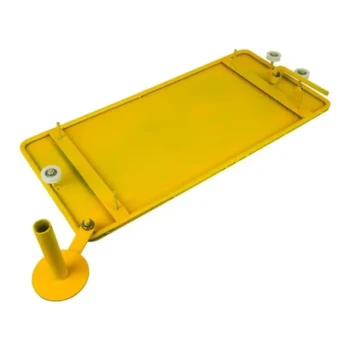
- HONESTBEE Professional Frame Wiring Board and Jig
- HONESTBEE Durable Frame Wiring Board with Integrated Tensioner
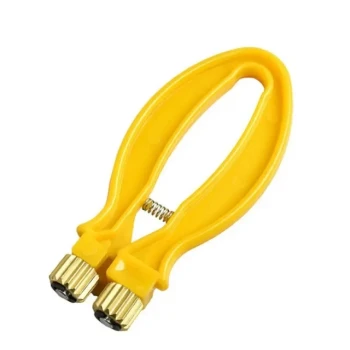
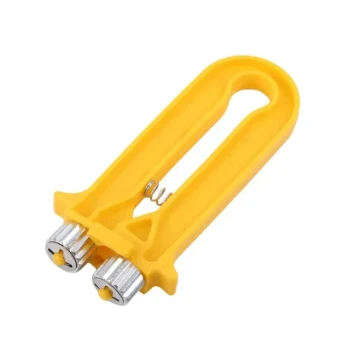
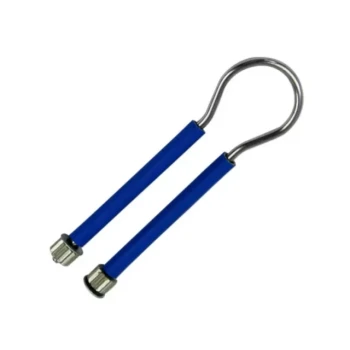
- HonestBee Ergonomic Frame Wire Crimper with Plastic Handles and Metal Gears Choice
People Also Ask
- What are the arguments for and against wiring beehive frames? Balance Durability and Management Flexibility
- How is the wire secured at the top of the frame? A Guide to Locking in Tension for Strong Honeycomb
- What factors determine the amount of wiring needed in beehive frames? Tailor Your Strategy for Your Climate
- What tools are needed to wire a beehive frame? Essential Equipment for Durable Frame Construction
- What precautions should be taken when wiring beehive frames? Essential Steps for Comb Durability