The decision to wire beehive frames creates a trade-off between structural durability and management flexibility. Proponents argue that wiring is essential for reinforcing the comb against the centrifugal force of honey extractors, while opponents contend it is unnecessary labor for brood frames and hinders the removal of specific comb sections, such as queen cells.
The core principle is that wiring is a structural necessity for extraction but a hindrance for manipulation. If the frame will be spun in a machine, it needs wire; if it is for brood or comb harvest only, wiring may be redundant.
The Case for Wiring: Structural Integrity
Protecting Comb During Extraction
The primary argument for wiring is to prevent the collapse of the honeycomb. When frames are placed in a honey extractor, they are subjected to significant centrifugal force. Without the internal reinforcement of wire, the heavy, honey-laden comb can break apart or "blow out" from the frame, destroying the work of the bees.
Compatibility with Tools
Despite the presence of metal strands, wiring is designed to work seamlessly with harvesting equipment. Properly installed wires sit deep within the midrib of the comb. This ensures they do not contact the uncapping knife or interfere with the automated or manual process of shaving off wax caps.
The Case Against Wiring: Flexibility and Labor
Obstruction of Comb Removal
The most significant operational drawback to wiring is that it acts as a permanent barrier inside the comb. This makes it difficult to cut away larger sections of wax. For beekeepers who need to remove queen cells for grafting or harvest chunks of comb honey, the wire creates a significant obstruction, limiting removal to only small pieces.
Unnecessary Effort for Brood Boxes
Opponents of universal wiring argue that it is a wasted effort for deep brood boxes. Since brood frames are generally never extracted (spun), they do not experience the forces that cause comb blowout. In these cases, the natural strength of the wax or foundation is often sufficient to hold the comb in place.
Understanding the Trade-offs
Material Considerations
While stainless steel is the standard, some beekeepers utilize durable fishing line as an alternative. However, this comes with a specific limitation: fishing line cannot be used with standard wax foundation sheets. If you choose this material, bees must be allowed to build their comb naturally around the line, rather than on a pre-set sheet.
The Plastic Alternative
Beekeepers seeking to avoid the labor of wiring often turn to plastic frames, which come with a rigid, built-in foundation. These are durable, pest-resistant, and require no assembly. However, they introduce their own set of trade-offs: bees often require heavy encouragement (wax coating) to accept the unnatural material, and unlike wood, plastic frames generally cannot be repaired or boiled for cleaning.
Making the Right Choice for Your Goal
The necessity of wiring is dictated by the future life of the frame.
- If your primary focus is liquid honey production: You must wire your frames or use plastic foundations to ensure they survive the mechanical stress of the extractor.
- If your primary focus is queen rearing or brood management: You should likely skip wiring in deep boxes to retain the flexibility to cut out queen cells and manipulate the comb easily.
Match your frame preparation to the specific job that frame will perform within the hive.
Summary Table:
| Factor | Wiring Recommended | Wiring Not Recommended |
|---|---|---|
| Primary Use | Honey extraction (Super frames) | Brood management & Queen rearing |
| Structural Benefit | Prevents comb "blowout" in extractors | Minimal; wax/foundation is sufficient |
| Manipulation | Hard to cut (obstructs queen cell removal) | Easy to cut for grafting or comb honey |
| Labor Input | High (Requires manual installation) | Low (Saves time during assembly) |
| Best Material | Stainless steel wire or Plastic foundation | Natural wax foundation or foundationless |
Maximize Your Apiary's Efficiency with HONESTBEE
Choosing the right frame setup is critical for scaling your beekeeping operations. Whether you are a commercial apiary needing high-durability frames for mass honey extraction or a distributor looking to supply premium equipment, HONESTBEE has the solutions you need.
We provide a comprehensive wholesale range, including:
- Advanced Machinery: Honey-filling and specialized hive-making machines.
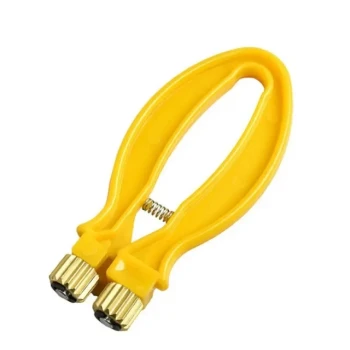
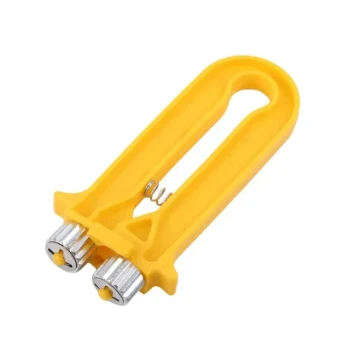
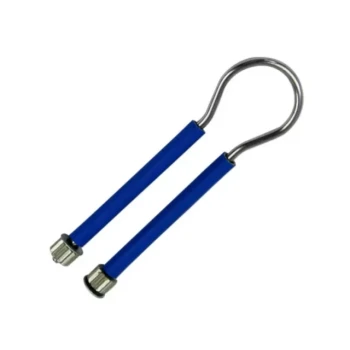
- Professional Hardware: Stainless steel wire, wiring tools, and durable frames.
- Industry Consumables: High-quality foundations and essential beekeeping tools.
Let our expertise in beekeeping equipment help you streamline your production and increase your yield. Contact HONESTBEE today to discuss bulk pricing and custom equipment solutions tailored to your professional needs!
Related Products
- Stainless Steel Bee Hive Frame Wire for Beekeeping
- HONESTBEE Wired and Assembled Wooden Bee Frames Foundation for a Thriving Hive
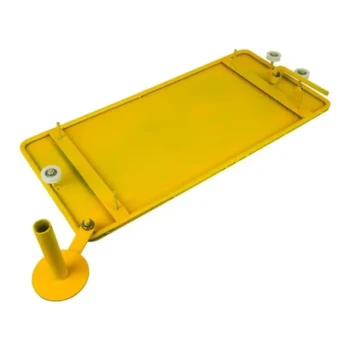
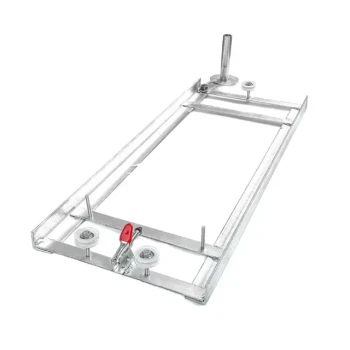
- HONESTBEE Durable Frame Wiring Board with Integrated Tensioner
- HONESTBEE Professional Frame Wiring Board and Jig
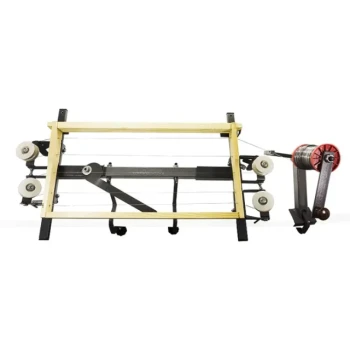
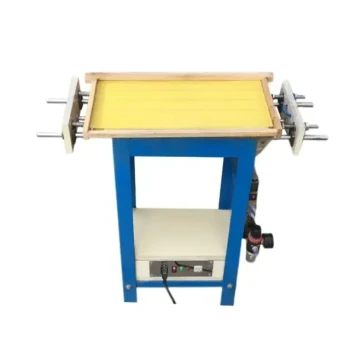
- Professional Bee Frame Wiring Tool with Integrated Tensioning System by HONESTBEE
People Also Ask
- What are the drawbacks of wiring beehive frames? Key Limitations and Structural Trade-offs Revealed
- How is the wire secured at the top of the frame? A Guide to Locking in Tension for Strong Honeycomb
- What factors determine the amount of wiring needed in beehive frames? Tailor Your Strategy for Your Climate
- What tools are needed to wire a beehive frame? Essential Equipment for Durable Frame Construction
- What precautions should be taken when wiring beehive frames? Essential Steps for Comb Durability