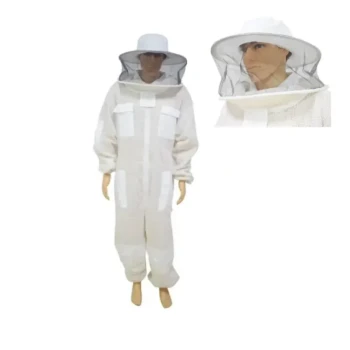
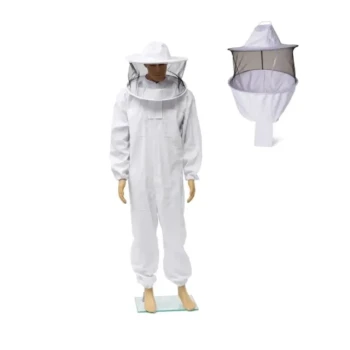
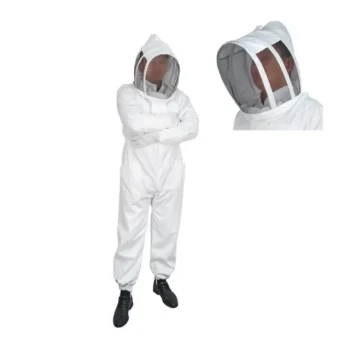
Proper maintenance of beekeeping clothing relies on regular cleaning to remove accumulations of dirt, propolis, wax, and honey. While general best practices exist, you must always prioritize the specific care instructions provided by the manufacturer on the garment's tag to avoid damaging the protective fabric.
Effective maintenance requires a cycle of cleaning and rigorous inspection. By washing gear correctly and identifying structural weaknesses like tears or faulty zippers early, you ensure both the longevity of the equipment and your personal safety.
Core Maintenance Principles
Cleaning Protocols
To preserve the fabric's integrity, most bee suits and gloves can be machine washed. However, because many suits are made of cotton, they are prone to shrinkage if exposed to high heat.
It is generally recommended to hang them to dry rather than using a machine dryer. This prevents the suit from shrinking, which is critical because a tight fit can decrease comfort and increase the risk of stings.
Structural Inspection
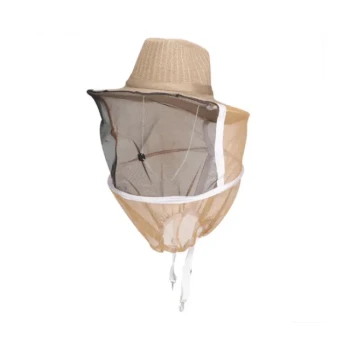
Your gear is only effective if its barrier is intact. Regularly inspect the bee veil and suit for holes and tears that a bee could crawl through.
Pay close attention to the closure mechanisms. Ensure that zippers and hook-and-loop (Velcro) closures are functioning smoothy and seal completely to prevent breaches.
Post-Activity Safety Check
Maintenance begins the moment you finish working the hive. Carefully check the zippers and folds of your suit for stray bees before removing your gear or entering a secure area.
This step prevents bringing agitated bees into your home or storage area, ensuring the gear is safe to handle during your next cleaning cycle.
Common Pitfalls to Avoid
The Shrinkage Risk
A common mistake is treating beekeeping gear like standard laundry. Using a tumble dryer on a cotton bee suit can cause significant shrinkage.
If a suit shrinks, it loses its loose fit—a key factor in protection. A tight suit presses against the skin, allowing bees to sting through the fabric, whereas a loose suit creates a safety gap.
Ignoring Wear and Tear
Do not overlook minor damage. Small holes in the veil or a zipper that skips teeth compromise the entire suit's effectiveness.
Unlike standard clothing where a tear is a cosmetic issue, a tear in beekeeping gear is a safety failure point that must be repaired or replaced immediately.
Making the Right Choice for Your Goal
To maximize the value and safety of your protective equipment, apply these specific practices:
- If your primary focus is extending equipment life: strictly follow the "wash and hang dry" method to prevent fabric degradation and shrinkage.
- If your primary focus is immediate safety: prioritize inspecting the veil mesh and zipper integrity before every single use to ensure a bee-tight seal.
Treat your protective clothing as a safety tool, not just a uniform.
Summary Table:
| Maintenance Aspect | Action Required | Key Benefit |
|---|---|---|
| Cleaning | Machine wash, air dry only | Prevents shrinkage & fabric damage |
| Inspection | Check mesh, seams & zippers | Ensures bee-tight safety barrier |
| Hardware | Test Velcro & zipper smoothnes | Prevents unexpected breaches |
| Post-Use | Check folds for stray bees | Ensures safe handling & storage |
Elevate Your Apiary Safety with HONESTBEE
At HONESTBEE, we understand that high-quality gear is the backbone of a successful beekeeping operation. Whether you are managing a large-scale commercial apiary or acting as a distributor for local beekeepers, we provide the durable, professional-grade protective clothing and specialized machinery you need to thrive.
From protective suits and gloves to advanced honey-filling machines and hive-making hardware, our comprehensive wholesale portfolio is designed to maximize your efficiency and safety. Don't compromise on protection.
Contact Us Today to explore our full spectrum of beekeeping tools and industry consumables. Let HONESTBEE be your partner in building a more productive and secure beekeeping business!
Related Products
- Premium Three Layer Ventilated Bee Suit with Round Veil
- Professional Cotton Beekeeper Suit with Round Veil Design for Commercial Apiaries
- Premium Cotton Beekeeper Suit with Reinforced Fencing Veil
- Professional Beekeeper Suit with Square Folding Cotton Veil
- Professional Beekeeping Suit for Kids and Girls Childrens Bee Keeper Suit
People Also Ask
- What are the features of a ventilated bee suit? Stay Cool and Protected in Hot Weather
- What is the function of professional protective consumables? Scale Your Apiary with Ventilated Bee Suits
- What should be considered when purchasing a ventilated bee suit? Ensure Maximum Safety and Comfort
- What is the advantage of ventilated bee suits over traditional ones? Stay Cool and Protected with Mesh Technology
- What materials are used in ventilated bee suits? Choose Between 3-Layer Mesh & Foam for Optimal Protection