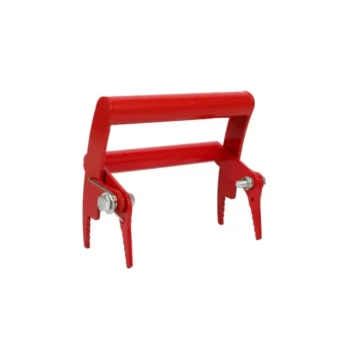
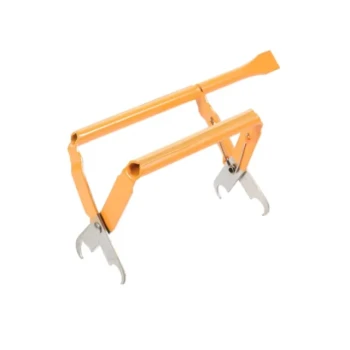
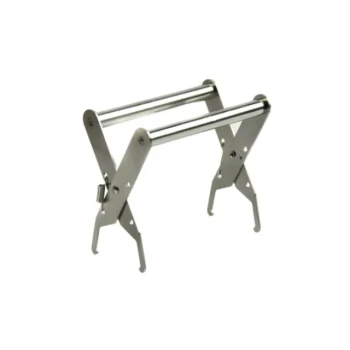
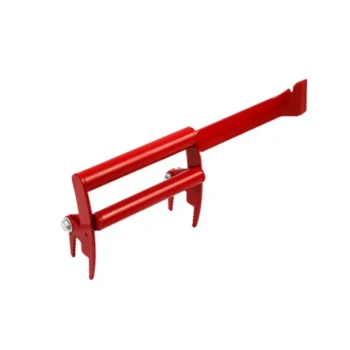
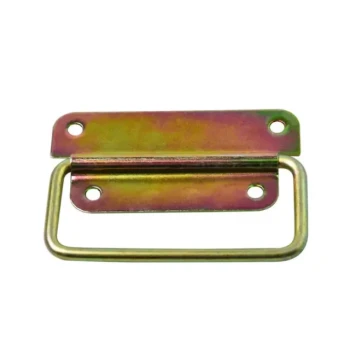
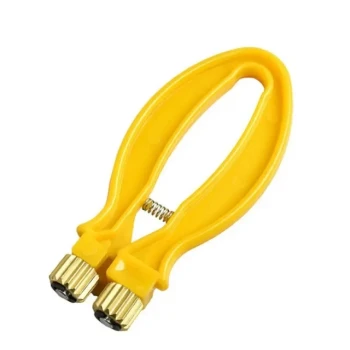
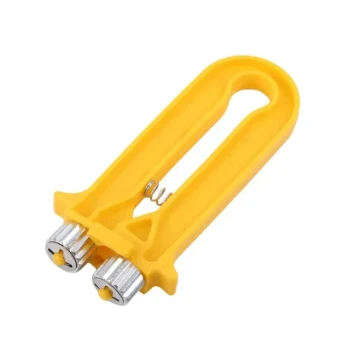
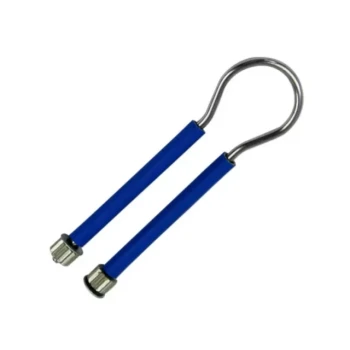
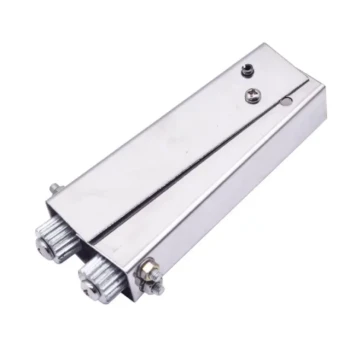
To ensure reliability, frame grips must be cleaned immediately after every use to strip away accumulated propolis and debris. Once the tool is free of residue, it should be stored in a completely dry location to preserve its condition for future inspections.
Consistent maintenance requires a strict cycle of cleaning and dry storage. This routine prevents residue buildup and is the only way to ensure the tool’s longevity and continued effectiveness.
Establishing a Cleaning Routine
Removing Propolis and Debris
During hive inspections, frame grips inevitably collect sticky residues. You must thoroughly clean the tool to remove all traces of propolis and debris.
Frequency Matters
Cleaning is not an occasional task. It must be performed after every single use to prevent buildup from hardening or interfering with the mechanism.
Proper Storage Techniques
The Importance of a Dry Environment
Once the tool is clean, the environment in which it is kept becomes critical. You must store your frame grips in a dry place.
Ensuring Readiness
Proper storage does more than protect the material; it ensures the tool is ready for the next hive inspection. This prevents delays caused by having to service a tool right before you need to use it.
Common Maintenance Pitfalls
Neglecting Immediate Cleaning
Failing to clean the tool immediately allows propolis to set and harden. This buildup compromises the "effectiveness" of the grip, making it difficult to use safely or precisely.
Ignoring Environmental Factors
Storing the tool in damp or humid conditions is a critical error. Moisture exposure can degrade the tool's materials, directly shortening its lifespan and "longevity."
Ensuring Long-Term Utility
By adhering to a simple maintenance schedule, you protect your investment and ensure safety during hive inspections.
- If your primary focus is tool longevity: Strictly follow the dry storage requirement to prevent environmental degradation of the materials.
- If your primary focus is operational efficiency: Clean the tool after every use to ensure no debris hinders the grip's mechanism during the next inspection.
Routine care transforms a simple tool into a reliable, long-lasting asset.
Summary Table:
| Maintenance Step | Action Required | Benefit |
|---|---|---|
| Cleaning | Remove propolis/debris after every use | Prevents hardening and mechanical interference |
| Drying | Ensure tool is completely dry before storage | Prevents material degradation and rust |
| Storage | Store in a cool, dry environment | Extends tool lifespan and ensures readiness |
| Inspection | Check for smooth movement of the grip | Guarantees safety and precision during hive work |
Maximize Your Apiary Productivity with HONESTBEE
Quality beekeeping begins with reliable tools. At HONESTBEE, we specialize in supporting commercial apiaries and distributors with a comprehensive wholesale range of premium beekeeping equipment. From precision frame grips and hive-making machinery to honey-filling systems and cultural merchandise, we provide the essential consumables and hardware your business needs to thrive.
Partner with us for industrial-grade solutions and wholesale expertise.
Contact HONESTBEE Today to Discuss Your Bulk Requirements
Related Products
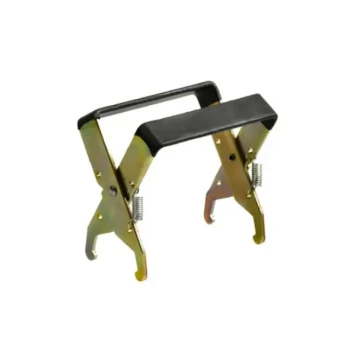
- Durable Galvanized Steel Frame Grip
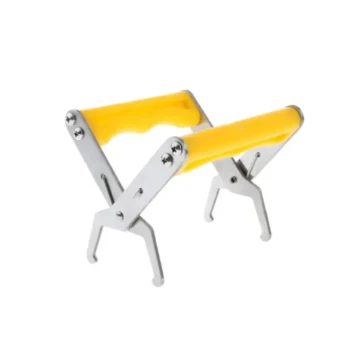
- Ergonomic High Visibility Plastic Frame Grip Handles
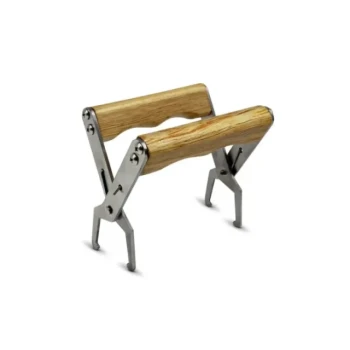
- Premium Frame Grip with Ergonomic Wood Handles
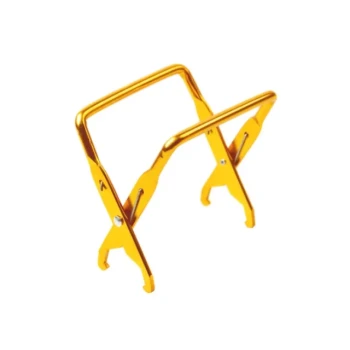
- Lightweight Aluminum Frame Grip
- Professional 3-Bar Frame Grip with Integrated Hive Tool
People Also Ask
- What is the purpose of using frame grips in beekeeping operations? Elevate Your Apiary Precision & Hive Safety
- What is a frame grip and how is it used? Secure Your Hive Inspections with Ease
- What is the primary function of frame grips in beekeeping? Master Hive Inspections with Stability
- What are the benefits of using Frame Grips in beekeeping? Boost Efficiency & Protect Your Hive
- How should Frame Grips be maintained after use? A Guide to Biosecurity and Tool Longevity