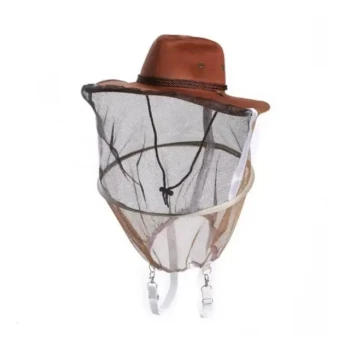
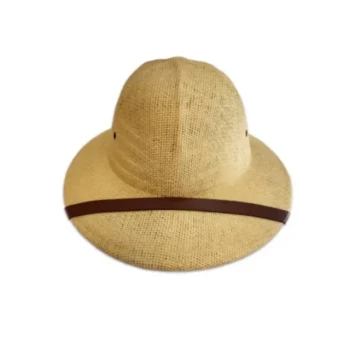
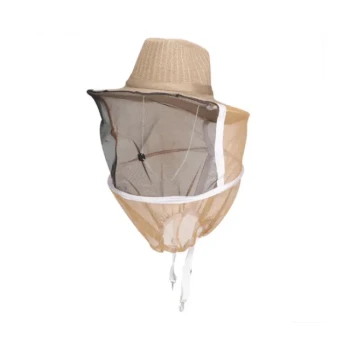
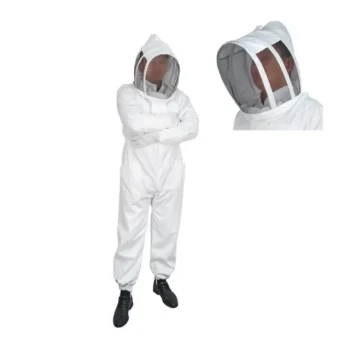
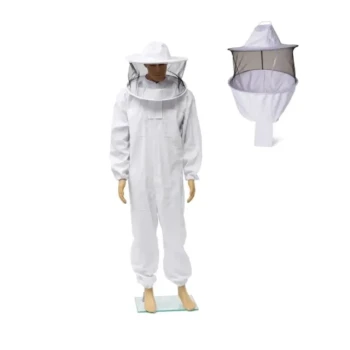
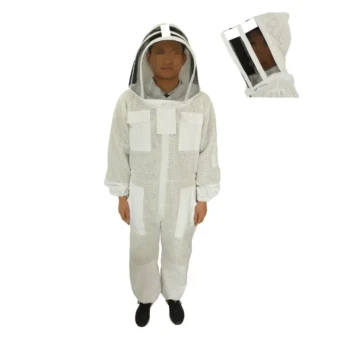
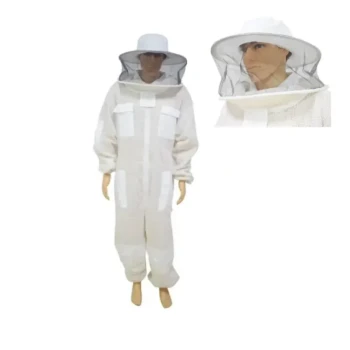
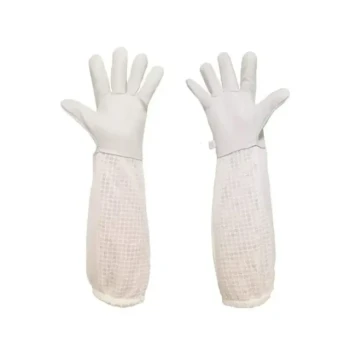
The beekeeper's hat veil must be exclusively hand-washed. To clean it effectively, submerge the gear in warm water mixed with a small amount of soap, then gently rub the fabric to remove residues before hanging it to dry.
The mechanical agitation of a washing machine or dryer creates a high risk of snagging and tearing the delicate netting. To ensure your safety equipment remains intact, rely on gentle hand washing and air drying.
Preserving Your Protective Gear
The Risk of Machine Washing
The primary function of your veil is to create an impenetrable barrier against stings.
Placing a hat and veil in a washing machine subjects the fine mesh to rigorous tumbling. This often results in the netting getting caught on agitators or other clothing items, leading to tears that compromise your safety.
The Drying Process
Heat and tumbling are equally dangerous during the drying phase.
Always hang the hat and veil to air dry. Avoiding the dryer prevents the mesh from warping or snagging, ensuring the shape and integrity of the hat remain consistent.
The Cleaning Protocol
Preparing the Wash
Fill a sink or a suitable tub with warm water. Add a small amount of soap to create a mild cleaning solution.
Soaking and Cleaning
Allow the gear to soak in the soapy water. This helps loosen sticky substances common in the apiary.
Gently rub the material to lift away accumulated debris. Pay close attention to areas stained with dirt, honey, wax, or propolis.
Common Pitfalls to Avoid
Aggressive Scrubbing
While propolis and wax can be stubborn, avoid harsh scrubbing on the mesh itself. Aggressive friction can distort the weave of the netting, potentially creating gaps large enough for a bee to enter.
Chemical Exposure
Stick to simple soaps. Using harsh industrial cleaners or bleaches may degrade the synthetic fibers of the veil over time, reducing its lifespan.
Making the Right Choice for Your Goal
- If your primary focus is safety: Inspect the veil for tears immediately after hand washing to ensure the netting is secure before your next hive inspection.
- If your primary focus is equipment longevity: Commit to air drying strictly, as this prevents heat damage and mechanical wear on the hat's structure.
Treat your protective gear with the same care you treat your colony, and it will serve you for seasons to come.
Summary Table:
| Cleaning Step | Action Required | Why It Matters |
|---|---|---|
| Wash Method | Manual Hand-Wash | Prevents tears and mesh snagging in machines |
| Water Temp | Warm Soapy Water | Loosens honey, wax, and stubborn propolis |
| Drying | Air Dry (Hanging) | Prevents heat damage and maintains hat shape |
| Detergent | Mild Soap | Avoids degrading synthetic fibers of the veil |
| Safety Check | Post-Wash Inspection | Ensures no gaps or holes were created during use |
Elevate Your Apiary with HONESTBEE Professional Gear
At HONESTBEE, we understand that high-quality protective gear is the foundation of a successful beekeeping operation. Whether you are managing large-scale commercial apiaries or looking to expand your wholesale distribution network, we provide the durable tools and machinery you need to thrive.
From premium protective veils and beekeeping suits to advanced honey-filling machines and hive-making equipment, our comprehensive portfolio is designed for industrial-grade performance. Partner with us to access the full spectrum of essential consumables and unique honey-themed cultural merchandise.
Ready to upgrade your equipment? Contact HONESTBEE Today for Wholesale Inquiries
Related Products
- High-Definition Beekeeper Hat with Round Veil Mesh for Beekeeping
- Premium Cowboy Beekeeper Hat with Visibility Veil Outdoor Professional Beekeeping Protective Gear
- Rigid Pith Style Beekeeper Hat for Square Folding Veils
- Beekeeper Cowboy Hat and Veil for Beekeeping
- Square Folding Beekeeping Hat with Integrated Veil
People Also Ask
- What is the primary purpose of a beekeeper's hat veil? Essential Face & Neck Protection for Safe Hive Management
- What are the benefits of the lightweight fabric used in the beekeeping hat veil? Enhanced Visibility & Comfort for Hive Work
- How is the beekeeper hat designed for comfort and practicality? Explore Key Features for Enhanced Apiary Safety
- What design features contribute to the stability and fit of the beekeeper hat? Key Features for Maximum Hive Safety
- What is the correct way to wash a beekeeping hat and veil? Safe Hand-Washing Guide to Protect Your Gear