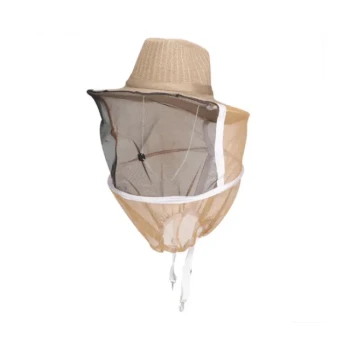
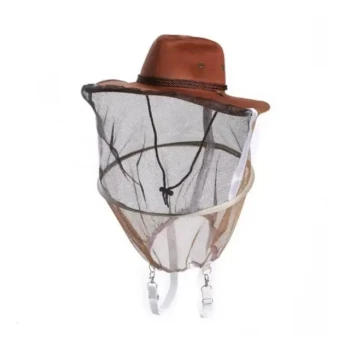
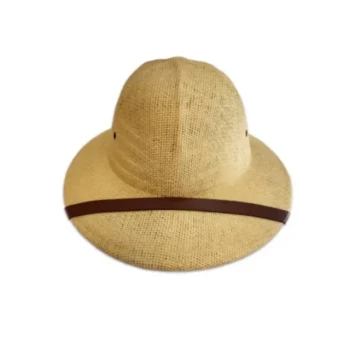
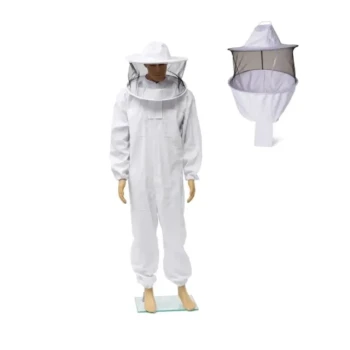
Hand-washing is the only safe method for cleaning a beekeeping hat and veil. You should submerge the equipment in a sink or tub filled with warm water and mild soap, allowing it to soak before gently rubbing away debris. Always hang the gear to dry and strictly avoid using washing machines or dryers.
The delicate high-visibility mesh used in beekeeping veils is easily compromised by mechanical agitation. To ensure your protective barrier remains intact and your vision stays clear, you must avoid the washer and dryer in favor of gentle manual cleaning.
The Correct Cleaning Protocol
To clean your gear effectively without causing damage, follow this manual process.
Soaking the Equipment
Begin by filling a basin, sink, or tub with warm water. Add a small amount of mild soap to create a gentle cleaning solution.
Submerge the hat and veil completely. Allow the gear to soak for a period of time to loosen sticky substances.
Removing Residue
Beekeeping gear accumulates specific types of debris, including dirt, honey, wax, and propolis.
Once the gear has soaked, gently rub the material to remove these residues. The warm water helps soften wax and propolis, making them easier to detach without harsh scrubbing.
The Drying Phase
After washing, hang the hat and veil to air dry. Ensure it is placed in an area with good airflow to speed up the process naturally.
Common Pitfalls to Avoid
Understanding what not to do is just as critical as knowing the correct method.
The Dangers of Machine Washing
You must never place a beekeeping hat or veil in a washing machine.
The agitation cycle can cause the fine netting to get caught and torn. Even a small tear invalidates the safety of the veil, allowing stinging insects to enter.
Avoiding Heat Damage
Do not use a clothes dryer. The tumbling action and heat can damage the structure of the hat and the integrity of the mesh.
Ensuring Long-Term Safety
If your primary focus is equipment longevity:
- Commit to hand-washing only, as this prevents mechanical stress that leads to tears in the protective mesh.
If your primary focus is removing stubborn residue:
- Prioritize a long soak in warm water to soften propolis and wax before you attempt to rub them off.
Treat your veil not just as clothing, but as essential safety equipment that requires gentle care to function correctly.
Summary Table:
| Step | Action | Key Benefit |
|---|---|---|
| Preparation | Use warm water & mild soap | Softens wax, propolis, and honey residues |
| Cleaning | Gentle hand-soaking & rubbing | Prevents mechanical tears in the delicate mesh |
| Drying | Air dry (hanging) | Maintains structural integrity and safety shape |
| Prohibited | No washing machines or dryers | Avoids snagging and heat-induced mesh failure |
Maximize Your Apiary's Safety with HONESTBEE
Proper maintenance is key to equipment longevity, but high-quality gear is the foundation of every successful beekeeping operation. At HONESTBEE, we specialize in supporting commercial apiaries and distributors with a comprehensive range of professional-grade beekeeping tools, machinery, and essential consumables.
From durable protective veils to advanced hive-making and honey-filling machines, our portfolio is designed to enhance your efficiency and yield. Whether you are scaling your commercial production or stocking a distribution network, our wholesale offerings provide the reliability your business demands.
Ready to upgrade your equipment? Contact us today to discuss our full spectrum of beekeeping hardware and cultural merchandise. Let’s grow your apiary together!
Related Products
- Beekeeper Cowboy Hat and Veil for Beekeeping
- Premium Cowboy Beekeeper Hat with Visibility Veil Outdoor Professional Beekeeping Protective Gear
- High-Definition Beekeeper Hat with Round Veil Mesh for Beekeeping
- Rigid Pith Style Beekeeper Hat for Square Folding Veils
- Square Folding Beekeeping Hat with Integrated Veil
People Also Ask
- What are the components and importance of a beekeeper's hat and veil? Essential Safety Gear for Apiary Success
- What are the differences between a separated and an attached beekeeping hat and veil? Security vs. Versatility
- What are the design specifications for an effective beekeeping hat and veil? Professional Standards for Protection
- What is the function of a beekeeping hat and veil? Essential Protection for Safe Hive Management
- What are the key features of a beekeeping hat and veil? Choose the Right Protection for Your Apiary