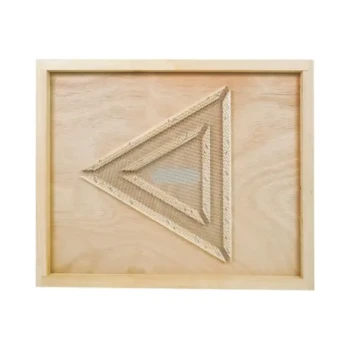
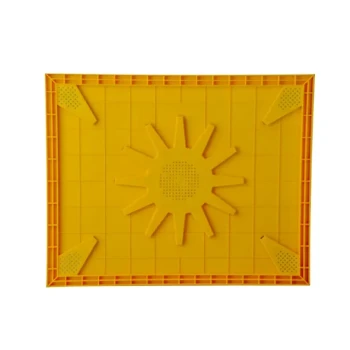
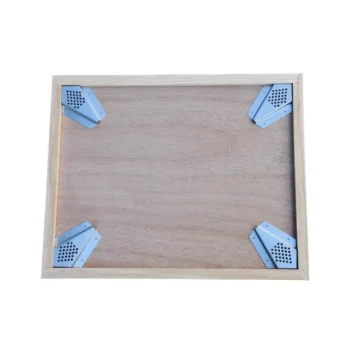
In a survey of 28 beekeepers with distinct opinions, the results showed a decisive preference for solid bottom boards. Specifically, 23 respondents voted in favor of solid boards, while only 5 preferred screened versions.
While solid bottom boards are widely regarded as the superior choice for general use and thermal stability, screened boards remain a valuable tool for specific pest management strategies and high-ventilation needs.
Why Beekeepers Favor Solid Boards
The strong preference for solid bottom boards stems from their ability to mimic the conditions of a natural bee nest.
Simulating Natural Enclosures
Solid boards replicate the airtight environment of a tree hollow or natural cavity.
This structure minimizes drafts and external airflow, allowing the colony to maintain a consistent internal environment with less energy expenditure.
Thermal Efficiency
A solid floor is critical for maintaining stable internal temperatures, particularly during colder seasons.
By preventing cold drafts from entering the bottom of the hive, these boards reduce the metabolic stress on honeybees as they work to heat the colony.
Enhanced Hive Defense
Solid plywood or wood floors make it easier for the colony to defend against intruders.
A sealed bottom limits entry points, providing superior protection against pests such as ants and wasps.
The Strategic Role of Screened Boards
Despite the lower preference numbers, the 5 beekeepers who chose screened boards did so for specific functional reasons.
Integrated Pest Management
Screened boards, which utilize a 1/8-inch mesh floor, serve as a passive control tool for Varroa mites.
They allow parasites to fall out of the hive rather than remaining on the floor where they could re-attach to bees.
Additionally, survey respondents noted that screened boards are often used specifically in conjunction with traps for Small Hive Beetles.
Ventilation and Monitoring
These boards facilitate increased airflow, which helps regulate temperature and remove excess moisture during hot weather.
They also typically include a removable sticky board insert, which is an essential diagnostic tool for counting mite drops and assessing colony health.
Understanding the Trade-offs
Choosing a bottom board is rarely a "one-size-fits-all" decision; it often requires balancing ventilation against insulation.
The Climate Factor
Climate is the primary dictator of which board will perform best.
In colder regions, a screened board provides too much ventilation, stripping the hive of heat. Conversely, in hot climates, a solid board may cause the hive to become "stuffy," making the airflow of a screened board advantageous.
Seasonal Rotation
Many beekeepers avoid choosing just one type by adapting their equipment to the season.
It is common practice to utilize screened boards during the summer for ventilation and mite drop, then switch to solid boards (or insert blockers) in the winter to seal the hive against the cold.
Making the Right Choice for Your Goal
While the survey suggests a general preference for solid boards, your specific location and management goals should drive your decision.
- If your primary focus is overwintering success: Prioritize solid bottom boards to maximize heat retention and minimize metabolic stress on the colony.
- If your primary focus is pest monitoring and ventilation: Utilize screened bottom boards, particularly during the summer months, to assist with Varroa counts and airflow.
- If your primary focus is year-round optimization: Adopt a seasonal rotation, using screened boards in the heat of summer and switching to solid boards as temperatures drop.
The best bottom board is the one that stabilizes the colony's environment relative to your local climate.
Summary Table:
| Feature | Solid Bottom Boards | Screened Bottom Boards |
|---|---|---|
| Survey Preference | 82% (23 out of 28 votes) | 18% (5 out of 28 votes) |
| Primary Benefit | Thermal stability & insulation | Varroa mite control & ventilation |
| Internal Environment | Mimics natural tree hollows | High airflow, moisture removal |
| Pest Protection | Defends against ants and wasps | Facilitates mite drops/monitoring |
| Best Use Case | Overwintering and cold climates | Summer monitoring & hot climates |
Elevate Your Apiary's Success with HONESTBEE
Whether you prioritize the thermal efficiency of solid boards or the diagnostic capabilities of screened systems, HONESTBEE is your dedicated partner in professional beekeeping. We cater specifically to commercial apiaries and global distributors, offering a comprehensive wholesale portfolio that includes everything from precision-engineered hive-making machinery to premium beekeeping tools and consumables.
Our mission is to empower your business with high-quality equipment that enhances colony health and operational productivity. From industrial honey-filling machines to honey-themed cultural merchandise, we provide the full spectrum of hardware needed to scale your operations.
Ready to optimize your wholesale supply chain?
Contact Us Today to Discuss Your Bulk Requirements
Related Products
- Solid Bottom Board Australian Pine Wood Langstroth Bottom Board for Wholesale
- Australian Pine Wood Langstroth Screen Bottom Board for Wholesale
- Langstroth Solid Bottom Board for Beekeeping
- Langstroth Screen Bottom Board for Beekeeping Wholesale
- HONESTBEE Top Bar & Bottom Bar Forming Machine | Bee Frame Machine
People Also Ask
- In what conditions is a solid bottom board preferred over a screened bottom board? Maximize Hive Heat and Treatment
- What is the primary function of a solid bottom board on a beehive? Key Benefits for Hive Stability and Insulation
- What are the characteristics of a solid bottom board? A Guide to Hive Foundation & Climate Control
- How is the wood of the solid bottom board treated to enhance its durability? Discover the 100% Beeswax Dipping Secret
- What is the primary function of a solid bottom board? Essential Thermal Insulation for Cold Climate Beekeeping