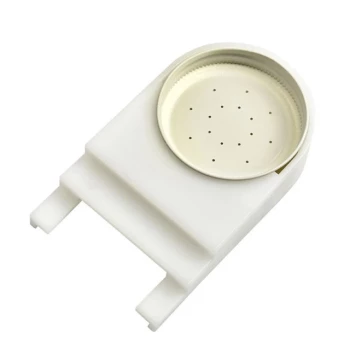
Honey bee feeders are essential tools for ensuring colony survival during specific periods of vulnerability. You should use a feeder in two primary scenarios: when you are establishing a new colony to help them settle, and during periods of extreme high or low temperatures when natural resources are scarce and the hive requires additional energy to maintain proper function.
Feeders act as a critical life-support system, bridging the gap between resource availability and metabolic demand when a hive is young or when environmental extremes prevent natural foraging.
Supporting New Colonies
When you first install a colony, the bees face a significant disadvantage: they lack the stored resources established hives possess.
Establishing the Hive
A new colony arrives without a stockpile of honey or pollen. Feeders provide immediate nutrition, allowing the bees to focus on building comb and caring for the brood rather than desperately foraging in a new environment.
Settling In
The primary reference notes that feeding is necessary to help bees "settle into their environment." This support reduces stress on the colony, giving them the stability required to transition from a packaged or nucleus state into a fully functioning hive.
Managing Extreme Weather Conditions
Weather is a major dictator of bee activity and plant biology. Extreme temperatures create a dual threat: they increase the bees' energy needs while simultaneously reducing available food sources.
Combating Resource Scarcity
During extreme heat or cold, natural resources often become limited. Flowers may stop producing nectar in high heat, or bloom availability may drop in the cold. A feeder substitutes for nature during these gaps in forage availability.
Meeting High Energy Demands
Bees do not hibernate; they actively regulate the hive's internal temperature. The primary reference emphasizes that bees "require extra energy to function" during temperature extremes.
Fueling Temperature Regulation
Whether they are fanning wings to cool the hive in heat or vibrating muscles to generate warmth in cold, these activities burn calories. The feeder provides the raw fuel necessary for this intensive metabolic effort.
Common Pitfalls to Avoid
While feeders are vital in the scenarios described above, misusing them can lead to issues.
Misunderstanding Necessity
Feeders are tools for specific needs, not constant accessories. Relying on them outside of new colony establishment or extreme weather events may be unnecessary if natural resources are abundant.
Ignoring the "Why"
Simply placing a feeder is not enough; you must understand the goal. If you are feeding during extreme weather, the objective is energy maintenance, not honey production.
Making the Right Choice for Your Goal
To effectively support your apiary, you must align your feeding strategy with the current status of your hive.
- If your primary focus is Establishing a New Colony: Provide feed immediately upon installation to help the bees settle and build infrastructure without foraging stress.
- If your primary focus is Weather Management: Monitor the forecast for temperature extremes and supply feed to compensate for limited resources and increased energy demands.
By strictly limiting feeder use to these critical periods, you ensure your bees have the support they need exactly when they need it.
Summary Table:
| Scenario | Primary Purpose | Key Benefit |
|---|---|---|
| New Colony Installation | Resource Supplementation | Accelerated comb building and reduced transition stress. |
| Extreme Heat | Metabolic Support | Provides fuel for hive cooling and fanning when nectar is scarce. |
| Extreme Cold | Temperature Regulation | Supplies calories needed for cluster warming and survival. |
| Forage Gaps | Resource Bridge | Prevents starvation during periods of natural nectar scarcity. |
Scale Your Apiary Success with HONESTBEE
Supporting a colony through its most vulnerable stages requires more than just knowledge—it requires professional-grade tools. At HONESTBEE, we specialize in empowering commercial apiaries and distributors with high-performance beekeeping machinery and essential equipment.
Whether you need reliable honey bee feeders, advanced hive-making machines, or large-scale honey-filling solutions, we provide the full spectrum of hardware and consumables to optimize your operations. Our expert team is dedicated to helping you maximize hive productivity and business efficiency.
Ready to upgrade your commercial beekeeping operations? Contact HONESTBEE Today for Wholesale Solutions
Related Products
- HONESTBEE Round Hive Top Bee Feeder for Syrup
- HONESTBEE Entrance Bee Feeder Efficient Hive Front Liquid Feeding Solution for Beekeeping
- HONESTBEE Entrance Bee Feeder Professional Hive Nutrition Solution for Beekeeping
- HONESTBEE Professional Entrance Bee Feeder Hive Nutrition Solution
- HONESTBEE Square Top Hive Bee Feeder Top Bee Feeder
People Also Ask
- What can the round hive top feeder be used for? A Guide to Efficient, Safe Bee Feeding
- What types of hive boxes is the round hive top feeder compatible with? Universal Fit for 8 & 10-Frame Langstroth Hives
- What is the capacity of the round hive top feeder for syrup and pollen? A Guide to Targeted Apiary Support
- What types of feed can be used with the round hive top feeder? Versatile Feeding for Optimal Apiary Health
- How do you use a top feeder for bees? Expert Guide to Installation and High-Volume Hive Feeding