The primary advantages of a honey refractometer with a digital screen center on the elimination of subjectivity and the enhancement of workflow efficiency. By replacing a manual optical scale with a clear numeric display, these devices offer superior readability in varying light conditions and significantly reduce the potential for human error during measurement.
Core Takeaway The digital screen transforms moisture measurement from a visual interpretation task into an objective data acquisition process. This shift is critical for ensuring consistent accuracy and speed, particularly for operators managing high volumes or working in less-than-ideal lighting.
The Impact on Readability and Precision
The most immediate benefit of a digital screen is the removal of ambiguity. In a standard optical refractometer, the user must visually locate a "shadow line" on a small scale; a digital screen bypasses this entirely.
Superior Visibility in Low Light
Digital screens solve the challenge of lighting. The primary reference notes that large digital screens are significantly easier to read than optical scales.
This is a crucial advantage when working in environments where ambient lighting is poor or inconsistent, ensuring you can still obtain a reading without an external light source.
Eliminating Manual Interpretation Errors
A digital display provides a precise, calculated number. This eliminates the need for the user to manually interpret a visual scale.
By removing the element of human judgement, you reduce the chance of error that comes from misreading a shadow line that falls between two graduation marks.
Accessibility for Visual Limitations
The digital format is particularly beneficial for users with weaker eyesight. The supplementary references highlight that the large, clear display makes viewing readings effortless, removing the eye strain associated with peering through a small eyepiece.
Workflow Efficiency for Operations
Beyond individual readings, the digital screen changes the pace at which a beekeeper or producer can work.
Speed and "Glanceability"
Digital screens allow for result acquisition at a glance. You do not need to hold the device up to the light or focus an eyepiece to get your data.
This speed is a significant asset for large-scale operations. When processing many samples, the time saved per reading accumulates, leading to a much more efficient workflow.
Overcoming the Trade-offs of Analog Scales
To understand the value of the digital screen, one must look at the pitfalls of the alternative—the analog visual scale.
The Problem of Subjectivity
The primary downside of non-digital refractometers is subjectivity. Two different people might read a visual scale slightly differently depending on their angle of view or eyesight.
Consistency Across Large Batches
In large-scale operations, consistency is key. A digital screen standardizes the output. Regardless of who is taking the measurement, the screen displays the same objective figure, ensuring quality control across the entire production line.
Making the Right Choice for Your Goal
When deciding if the digital screen features justify the investment, consider your specific operational needs.
- If your primary focus is Scalability: Choose a digital screen to enable rapid, "glanceable" readings that streamline high-volume processing.
- If your primary focus is Accuracy: Prioritize the digital display to eliminate manual interpretation errors and ensure objective consistency.
- If your primary focus is Accessibility: Select a digital model to mitigate issues with low light environments or weaker eyesight.
By digitizing the readout, you move from estimating quality to verifying it with certainty.
Summary Table:
| Feature | Digital Screen Refractometer | Traditional Analog Refractometer |
|---|---|---|
| Data Readout | Instant Numeric Display | Manual Shadow-Line Interpretation |
| Lighting Need | Built-in Backlight (Visible in dark) | Requires External Light Source |
| Consistency | Objective & Standardized | Subjective (Varies by operator) |
| Speed | High (Glanceable results) | Moderate (Requires focus & adjustment) |
| User Accessibility | Ideal for weak eyesight | Can cause eye strain |
Elevate Your Honey Quality Control with HONESTBEE
At HONESTBEE, we understand that for commercial apiaries and distributors, precision is the backbone of profitability. Our professional-grade beekeeping tools and digital measurement equipment are designed to transform your workflow from estimation to verification.
Whether you are looking for advanced honey-filling machines, specialized hive-making hardware, or the latest in digital refractometry, we provide the comprehensive wholesale solutions you need to scale your operation. Our portfolio covers the full spectrum of industry consumables and honey-themed cultural merchandise to support every facet of your business.
Ready to streamline your honey production and ensure objective accuracy?
Contact HONESTBEE Today to explore our wholesale machinery and equipment offerings tailored for industry leaders.
Related Products
- Digital Honey Refractometer for Precision Measurement of Optimal Honey Quality
- Precision Honey Refractometer Instrument for Quality Assessment
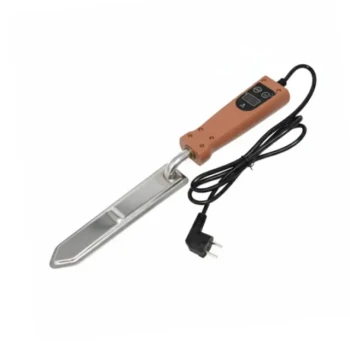
- Digital Display Electric Honey Uncapping Knife for Beekeeping and Decapping
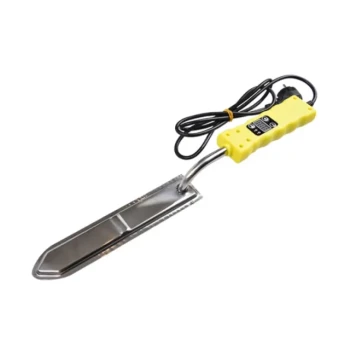
- Professional Electric Honey Uncapping Knife with Heated Digital Temperature Control for Beekeeping
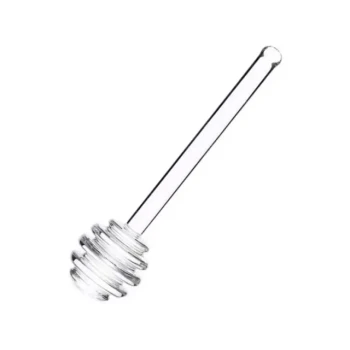
- Premium Heat-Resistant Glass Honey Dipper
People Also Ask
- What role do high-precision refractometers play in determining the maturity and quality of honey? Ensure Honey Purity.
- Do the color and viscosity of honey affect its refractometer reading? Mastering Moisture Measurement Accuracy
- Why is a honey refractometer considered essential for commercial beekeepers? Ensure Honey Quality and Profitability
- What is the best way to store a honey refractometer? Preserve Accuracy and Extend Its Lifespan
- How do refractometers ensure technical precision when measuring honey moisture? Secure Quality and Prevent Fermentation