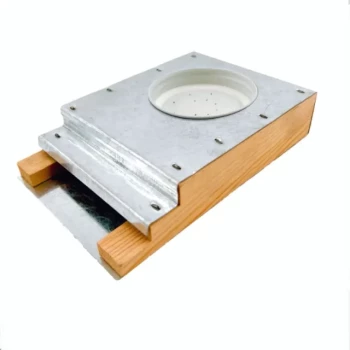
Placing 1kg feed cakes directly above the hive frames optimizes colony efficiency by leveraging the hive's internal thermodynamics. This placement strategy utilizes the colony's natural rising heat to maintain the feed at an ideal temperature for consumption while drastically shortening the distance bees must travel to access nutrients. By minimizing travel time and hive disturbance, this method directly contributes to sustained colony strength and productivity during periods of resource scarcity.
By positioning supplemental feed at the top of the hive, you align resource accessibility with the colony's natural behavior and thermal dynamics. This ensures bees conserve vital energy for brood rearing and hive maintenance rather than expending it on internal foraging.
The Mechanics of Frame-Top Feeding
Utilizing Natural Thermoregulation
Heat naturally rises within the hive structure. Placing the 1kg cake directly on top of the frames allows it to absorb this ascending warmth.
This keeps the feed soft and pliable, ensuring it remains at an optimal consumption temperature. Cold feed can be difficult for bees to process, whereas warm feed allows for immediate uptake and metabolism.
Reducing Energy Expenditure
This placement significantly shortens the foraging path for the bees.
Instead of breaking the cluster to travel to a distant feeder, bees can access resources immediately above them. This conservation of movement is critical during colder periods when preserving individual bee energy is paramount for colony survival.
Impact on Colony Health
Minimizing Hive Disturbance
Frame-top feeding allows the beekeeper to replenish resources without invading the sensitive brood nest.
This method minimizes disruptions to the hive environment, maintaining the colony’s internal atmosphere and reducing stress. Less disturbance translates to a calmer, more focused colony.
Stabilizing Energy Levels
The 1kg mass provides a substantial, stable source of energy and bioactive substances.
This buffer is essential during "dearth" periods (nectar scarcity) or early spring. It ensures the colony has the fuel required to build comb and maintain functions, directly leading to increased colony strength and overall productivity.
Understanding the Trade-offs within Organic Protocols
Strict Regulatory Limits
While the placement is advantageous, organic beekeeping regulations strictly limit when you can feed.
Artificial feeding is permitted only when colony survival is threatened by extreme climatic conditions. It is not a standard practice for boosting production, but a rescue measure for survival.
Sourcing Restrictions
To maintain organic integrity, the feed itself faces rigorous scrutiny to prevent contamination.
You must exclusively use organic honey, organic sugar syrup, or organic granulated sugar. This prevents the introduction of genetically modified organisms (GMOs) or chemical pesticide residues often found in conventional agriculture, ensuring the final bee products remain pure.
Making the Right Choice for Your Goal
To implement this effectively, you must balance the physical advantages of the placement with the strict sourcing requirements of organic standards.
- If your primary focus is Colony Survival: Prioritize frame-top placement during early spring or extreme weather to provide immediate energy access with minimal energy cost to the bees.
- If your primary focus is Organic Compliance: Ensure that supplemental feeding is reserved strictly for emergencies and verify that every gram of sugar or honey used carries certified organic status.
Correctly placed supplemental feed acts as a lifeline, converting a potential colony collapse into a season of sustained productivity.
Summary Table:
| Feature | Advantage of Frame-Top Placement | Impact on Organic Colonies |
|---|---|---|
| Thermoregulation | Leverages rising hive heat to keep feed soft | Easier consumption & immediate nutrient uptake |
| Energy Use | Shortens travel distance from the cluster | Conserves bee energy for brood rearing |
| Hive Stability | Minimal disturbance to the brood nest | Reduced colony stress and heat loss |
| Resource Volume | 1kg mass provides stable energy buffer | Sustained productivity during nectar dearths |
| Compliance | Enables emergency feeding under organic rules | Ensures survival while maintaining purity standards |
Elevate Your Apiary's Productivity with HONESTBEE
Are you looking to scale your commercial beekeeping operation or expand your distribution network? HONESTBEE is your dedicated partner, providing a comprehensive wholesale ecosystem designed for the modern industry. We supply everything from specialized hive-making and honey-filling machinery to a full spectrum of high-quality beekeeping tools and essential consumables.
Whether you need robust equipment to handle supplemental feeding at scale or unique honey-themed cultural merchandise to diversify your retail offerings, we deliver the quality and reliability your business demands. Let us help you optimize your operations and maximize colony strength.
Contact HONESTBEE today to discuss your wholesale needs and discover how our expertise can drive your success.
References
- Olesya Viktorovna Strelbitskaya, И.Ф. Горлов. Apicultural products, environmentally friendly due to organic extra nutrition. DOI: 10.1088/1755-1315/981/2/022108
This article is also based on technical information from HonestBee Knowledge Base .
Related Products
- HONESTBEE Professional Hive Top Bee Feeder Feeding Solution
- White Plastic 0.5L Beekeeping Entrance Feeder for Bees
- Professional Hive Front Entrance Bee Feeder
- Honey Bee Lifecycle Model: A Detailed Honeycomb Display of Bee Development
- Professional Hive Top Bee Feeder for Beekeeping
People Also Ask
- How does a bee hive top feeder work? A Guide to Efficient, Protected Feeding
- Do I need an inner cover with a hive top feeder? Optimize Your Hive Setup for Healthy Bees
- What is a hive top feeder? A Guide to Efficient, Low-Stress Beekeeping
- What is a hive top feeder, and how does it work? A Complete Guide to Efficient In-Hive Feeding
- What are the characteristics, advantages, and disadvantages of hive top feeders? Optimize Your High-Volume Feeding