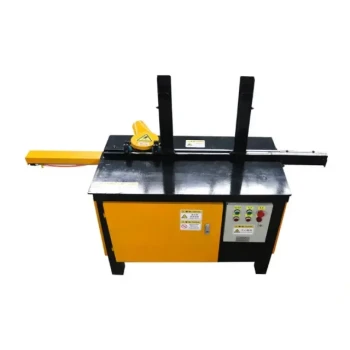
The top bar of a hive frame serves as the primary structural support for the honeycomb, characterized by two extended "ears" that allow the frame to hang suspended within the hive box. In modern designs, the central section of the bar is typically twice as thick as these ears, a specific dimension intended to improve durability and ease of handling.
The top bar is not merely a handle; it is a precision component designed to maintain critical "bee space." Its specific geometry minimizes the contact surface area with the hive box, preventing bees from cementing the frame in place with propolis.
Structural Anatomy and Function
The Suspension Ears
The most distinct features of the top bar are the ears (or lugs) located at both ends.
These extensions serve as the sole contact points between the frame and the hive box.
By limiting contact to these small points, the design minimizes the surface area where bees can apply propolis, ensuring the frame remains removable for inspection.
The Thickened Central Section
Since the mid-19th century, the middle portion of the top bar has been manufactured to be roughly twice as thick as the ears.
This increased thickness provides a robust gripping surface for the beekeeper, making heavy frames easier to lift.
Crucially, this design also discourages bees from building "burr comb" (excess wax) between the top bars, which would otherwise bridge the gap between frames and impede management.
The Underside Attachment
The underside of the top bar features specific mechanisms to guide the bees in building straight comb.
It may contain a groove, designed to securely hold a sheet of wax or plastic foundation.
Alternatively, it may feature a chamfered edge or wedge, which provides a natural guide for bees to attach their wax when using foundationless methods.
Understanding the Trade-offs
Frame Component vs. Top Bar Hive
It is critical to distinguish between the top bar of a standard frame and the bars used in a Top Bar Hive (TBH).
A standard frame top bar acts as the "roof" of a four-sided rectangular frame (including side bars and a bottom bar).
In contrast, a TBH system uses simple wooden slats without side or bottom bars, requiring the bees to build comb freely without the structural support of a full frame.
The Importance of Width Dimensions
The width of the top bar is a non-negotiable dimension that dictates proper bee space.
If the bar is too narrow or too wide, bees will build "brace comb," bridging adjacent frames together.
Standard widths (often 1¼ to 1⅜ inches) are calculated to ensure individual combs remain separate and movable.
Making the Right Choice for Your Goal
When selecting frames or building your own, consider how the top bar design aligns with your management style.
- If your primary focus is durability and ease of grip: Prioritize top bars with a substantial, thickened central section (approx. ¾ inch thick) to support heavy honey loads without bending.
- If your primary focus is natural comb building: Select top bars featuring a "wedge" or "comb guide" profile on the underside rather than a simple groove.
- If your primary focus is minimizing propolis buildup: Ensure the ears of the top bar are cut cleanly and are significantly thinner than the main body to reduce the contact footprint.
The top bar is the single most manipulated part of the hive; choosing the right profile ensures that inspections remain smooth and non-invasive.
Summary Table:
| Feature | Description | Primary Function |
|---|---|---|
| Suspension Ears | Extended lugs at both ends | Minimizes propolis contact; allows frame to hang |
| Thickened Center | Middle section ~2x thicker than ears | Provides structural strength and ergonomic grip |
| Bottom Groove/Wedge | Underside attachment point | Secures foundation or guides natural comb growth |
| Standard Width | Typically 1¼ to 1⅜ inches | Maintains critical bee space to prevent bridge comb |
Scale Your Apiary with HONESTBEE Precision Equipment
Maximize your honey production and hive efficiency with HONESTBEE, the trusted partner for commercial apiaries and distributors worldwide. Our comprehensive wholesale offering includes premium-grade hive frames and top bars designed for maximum durability and ease of handling.
From specialized hive-making and honey-filling machinery to a full spectrum of beekeeping tools and industry consumables, we provide everything you need to manage large-scale operations. Enhance your brand with our unique honey-themed cultural merchandise and high-performance hardware.
Ready to upgrade your inventory? Contact us today to discuss our wholesale pricing and tailored equipment solutions for your business!
Related Products
- Long Langstroth Style Horizontal Top Bar Hive for Wholesale
- HONESTBEE Top Bar & Bottom Bar Forming Machine | Bee Frame Machine
- Top Bar Beehive for Beekeeping Wholesales Kenya Top Bar Hive
- Professional 3-Bar Frame Grip with Integrated Hive Tool
- HONESTBEE Professional Frame Wiring Board and Jig
People Also Ask
- What are the potential applications of top bar hives in resource-limited settings? Empower Communities with Sustainable Beekeeping
- What are the benefits of extra wax production in top bar hives? A Natural Byproduct for Craft & Efficiency
- What does the general management of a top bar hive entail? Master Horizontal Beekeeping with Ease
- How does the top bar hive help control varroa mites? A Natural Approach to Mite Management
- How is a top bar hive used to start a new colony? Master Incremental Expansion for a Thriving Hive