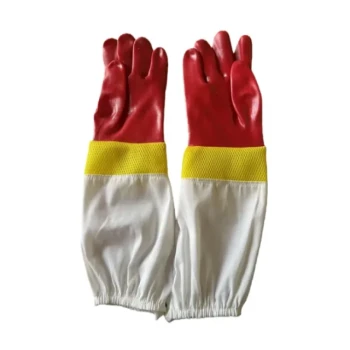
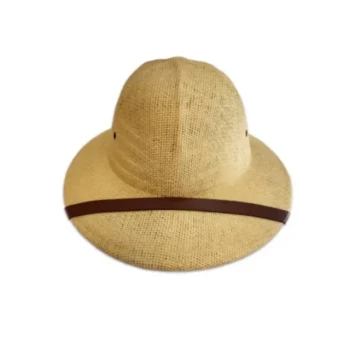
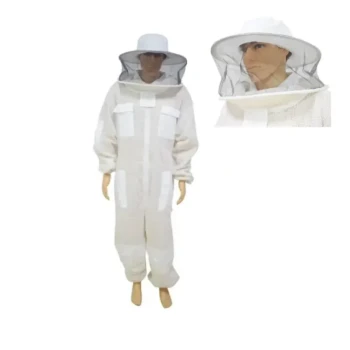
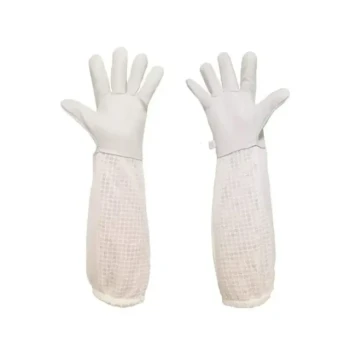
The primary benefit of wearing beekeeping coveralls, or a bee suit, is the creation of a comprehensive barrier that significantly reduces the number of stings you receive while protecting your personal clothing from difficult-to-remove propolis stains. To maintain this level of protection, the equipment must be properly maintained and laundered regularly.
Core Takeaway While the obvious function of a bee suit is physical armor against stings, its deeper value lies in psychological security. By minimizing the fear of injury, coveralls allow you to work with greater focus and confidence, ensuring a safer environment for both the beekeeper and the hive.
The Mechanics of Protection
Comprehensive Coverage
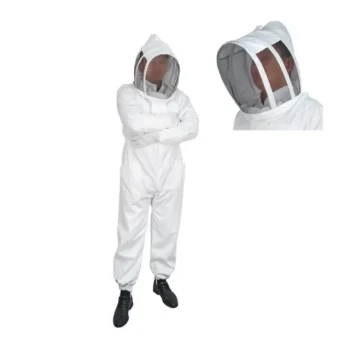
The most distinct advantage of a full bee suit over separate components (like a jacket and jeans) is the elimination of gaps. Because the suit covers the body from head to toe, there is no separation at the waist where stinging insects could otherwise enter. This continuous seal is vital when working with agitated colonies.
Sting Reduction
While no fabric is completely sting-proof, coveralls serve as a highly effective primary defense. By adding a layer of specialized material between your skin and the bees, you greatly lower the probability of a stinger penetrating deep enough to inject venom.
Hygiene and Contaminant Control
Clean protective clothing does more than protect you; it protects the hive. A dedicated suit helps maintain a hygienic apiary environment by preventing the spread of dirt, debris, and external contaminants that could harm the bees or compromise the quality of the honey.
Operational and Psychological Advantages
Anxiety Reduction for Beginners
For novice beekeepers, the fear of getting stung can be a major distraction. Wearing a full suit significantly reduces anxiety, allowing the beekeeper to remain calm. A calm beekeeper makes smoother movements, which in turn keeps the bees calmer.
Preserving Personal Wardrobe
Beehives produce propolis, a resinous "bee glue" that is notoriously difficult to remove from fabric. Wearing coveralls ensures that this sticky substance, along with honey and wax, ends up on your dedicated work gear rather than ruining your everyday jeans or shirts.
Focus on Hive Maintenance
When you are not preoccupied with swatting away bees or worrying about exposed skin, you can concentrate fully on the task at hand. This improved focus leads to more thorough inspections and better overall hive management.
Understanding the Trade-offs
Heat Management
Full body protection comes at the cost of ventilation. Coveralls can trap body heat, making them warmer to wear than a simple jacket and veil combination. This is a critical consideration for beekeepers working in hot climates or for extended periods.
The Necessity of Proper Fit
A common pitfall is selecting a suit that fits like normal clothing. Protective gear must fit loosely to be effective; if the fabric pulls tight against your skin, a bee's stinger can easily reach you. It is generally recommended to choose a size larger than your standard clothing size to ensure a protective air gap.
Maintenance Obligations
You cannot simply wear the suit indefinitely without care. As noted in the primary reference, the benefits regarding sting reduction rely on the suit being laundered regularly. Dirty suits may harbor alarm pheromones from previous stings, which can actually trigger defensive behavior in bees during future inspections.
Making the Right Choice for Your Goal
Selecting the right gear depends on balancing protection with comfort and mobility.
- If your primary focus is maximum safety and confidence: Choose a full set of coveralls to eliminate waist gaps and ensure total body protection, which is ideal for beginners.
- If your primary focus is quick inspections in hot weather: Consider a beekeeping jacket, acknowledging that while you gain cooling and mobility, your legs remain exposed to potential stings.
- If your primary focus is gear longevity: Prioritize suits with double-stitched seams and robust zippers, and commit to a regular washing schedule to remove propolis and pheromones.
The best protective gear is the one that gives you the confidence to work your hives gently, thoroughly, and safely.
Summary Table:
| Feature | Benefit | Importance |
|---|---|---|
| Full-Body Coverage | Eliminates gaps at the waist where bees enter | High |
| Sting Reduction | Creates a thick barrier to prevent venom injection | Essential |
| Psychological Security | Reduces anxiety for calmer hive management | High |
| Propolis Protection | Keeps sticky resins off personal clothing | Medium |
| Hygiene Control | Prevents spread of contaminants to the colony | Medium |
Elevate Your Beekeeping Standards with HONESTBEE
At HONESTBEE, we understand that professional beekeepers and distributors require more than just basic gear—they need reliability and scale. From high-quality protective coveralls to advanced honey-filling machinery and hive-making equipment, we provide a comprehensive wholesale portfolio designed for commercial success.
Why partner with us?
- Comprehensive Range: Access everything from essential consumables to specialized heavy machinery.
- Distributor-Ready: Our wholesale offerings are tailored for high-volume needs and commercial apiaries.
- Expert Support: Benefit from our deep industry knowledge and honey-themed cultural merchandise to grow your brand.
Ready to secure top-tier equipment for your business? Contact us today to explore our wholesale solutions!
Related Products
- Inner Beehive Cover for Beekeeping Bee Hive Inner Cover
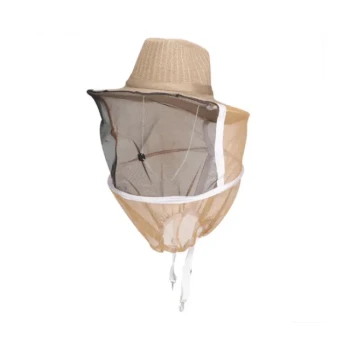
- Beekeeper Cowboy Hat and Veil for Beekeeping
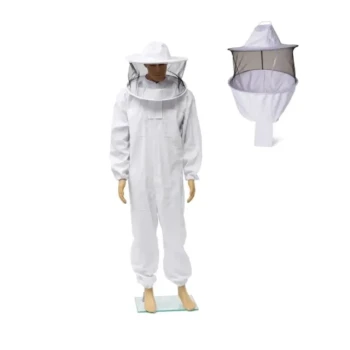
- Premium Cotton Beekeeper Suit with Reinforced Fencing Veil
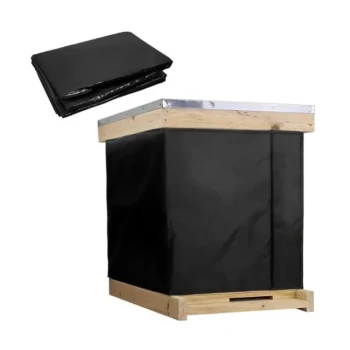
- Professional Insulated Winter Hive Wrap for Beekeeping
- Beekeeping Jacket with Hood and Veil for Beekeepers
People Also Ask
- What is the purpose of the inner cover in a beehive? A Key to Hive Health & Easy Management
- What is the function and placement of an inner cover in a beehive? Essential Hive Management Guide
- What is the purpose of the inner and outer covers in a beehive? Essential for Hive Health & Management
- What is a beehive's inner cover and how is it used? Essential Guide for Hive Insulation and Ventilation
- What are the functions of the inner and outer covers on a beehive? Essential Guide for Hive Protection and Management