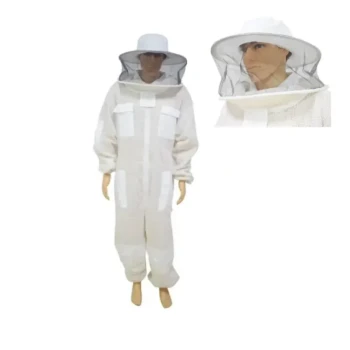
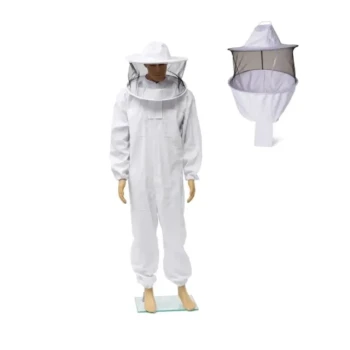
To maintain a bee suit effectively, you must wash it after every single use to eliminate residues like honey, propolis, and sweat. Beyond cleaning, the suit requires frequent inspections for structural breaches and must be stored in a cool, dry location completely void of direct sunlight.
A bee suit is personal protective equipment, not just clothing. Its ability to protect you depends entirely on removing chemical attractants through cleaning and preserving the fabric's integrity through proper storage.
The Cleaning Protocol
Frequency of Cleaning
According to best practices, you should wash your suit after each use. This is not just about aesthetics; it ensures the removal of honey, propolis, and sweat, which can degrade the fabric or attract pests.
Detergent and Stain Removal
Use mild laundry detergent or natural cleansing agents to avoid damaging the specialized fabric. If there are heavy soils, treat and remove stains prior to the main wash cycle to ensure a deep clean.
The Drying Process
Never expose wet gear to direct sunlight, as UV rays can weaken the material. Instead, hang the suit to dry in the shade.
Structural Integrity and Inspection
Routine Visual Scans
Regularly inspect the entire surface of the suit for tears or holes. Even a microscopic breach can compromise your safety in the apiary.
Hardware Maintenance
Pay close attention to mechanical parts during your inspection. Check that zippers function smoothly and replace them immediately if they show signs of wear or misalignment.
Immediate Repairs
If you discover a tear, repair it promptly. Delaying repairs risks the hole expanding during your next inspection, leaving you vulnerable to stings.
Proper Storage Strategies
Environmental Control
Store the suit in a clean, cool, and dry place. Avoid damp areas like basements or garages where moisture can encourage mold growth or damage the fabric.
Hanging Techniques
If you choose to hang your suit, use a hanger to prevent creases. It is critical to hang it by the shoulders, rather than the neck or hood, to maintain its shape and prevent structural strain.
Pest and Dust Protection
If the suit is stored in a shed or less controlled environment, place it inside a sealed container or protective bag. This acts as a barrier against dust, debris, and rodents.
Common Pitfalls to Avoid
The Sunlight Trap
One of the most common errors is drying or storing the suit in the sun. Direct sunlight destroys synthetic fibers and mesh over time, rendering the suit brittle and unsafe.
Ignoring Propolis Buildup
Failing to wash the suit after every use allows propolis and alarm pheromones to accumulate. This can make bees more aggressive towards you in future sessions.
Improper Hanging
Hanging a heavy suit by the hood can stretch the fabric and distort the veil. This misalignment can reduce visibility and compromise the seal around the neck.
Making the Right Choice for Your Goal
To get the most out of your equipment, tailor your maintenance to your specific constraints:
- If your primary focus is Maximum Safety: Wash the suit after every single outing to ensure no alarm pheromones or attractants remain on the fabric.
- If your primary focus is Equipment Longevity: Prioritize storage methods, ensuring the suit is hung by the shoulders in a dark, climate-controlled closet to prevent UV and moisture damage.
Treat your suit with the same care you treat your colony, and it will protect you for seasons to come.
Summary Table:
| Maintenance Aspect | Best Practice | Key Benefit |
|---|---|---|
| Cleaning Frequency | Wash after every use | Removes alarm pheromones and residues |
| Detergent Type | Use mild laundry detergent | Protects specialized fabric integrity |
| Drying Method | Air dry in the shade | Prevents UV damage and fabric brittleness |
| Storage | Cool, dry place (hang by shoulders) | Prevents mold and maintains suit shape |
| Inspection | Regular visual scans for tears/zippers | Ensures continued sting protection |
Maximize Your Apiary Efficiency with HONESTBEE
At HONESTBEE, we understand that high-quality protection and reliable tools are the backbone of a successful beekeeping operation. We provide commercial apiaries and distributors with a comprehensive range of professional-grade beekeeping tools, specialized machinery—including hive-making and honey-filling equipment—and a vast array of essential consumables.
Whether you are scaling your commercial production or stocking your distribution channels, our wholesale solutions are designed to deliver durability and value. Contact us today to discuss how our portfolio of beekeeping hardware and cultural merchandise can support your business growth!
Related Products
- Premium Three Layer Ventilated Bee Suit with Round Veil
- Professional Cotton Beekeeper Suit with Round Veil Design for Commercial Apiaries
- Premium Cotton Beekeeper Suit with Reinforced Fencing Veil
- Professional Beekeeper Suit with Square Folding Cotton Veil
- Professional Beekeeping Suit for Kids and Girls Childrens Bee Keeper Suit
People Also Ask
- What are the features of a ventilated bee suit? Stay Cool and Protected in Hot Weather
- What is the function of professional protective consumables? Scale Your Apiary with Ventilated Bee Suits
- What should be considered when purchasing a ventilated bee suit? Ensure Maximum Safety and Comfort
- What is the advantage of ventilated bee suits over traditional ones? Stay Cool and Protected with Mesh Technology
- What materials are used in ventilated bee suits? Choose Between 3-Layer Mesh & Foam for Optimal Protection