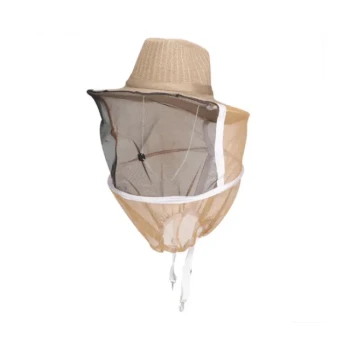
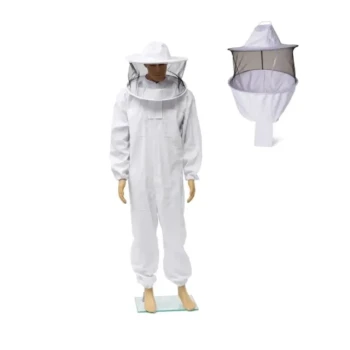
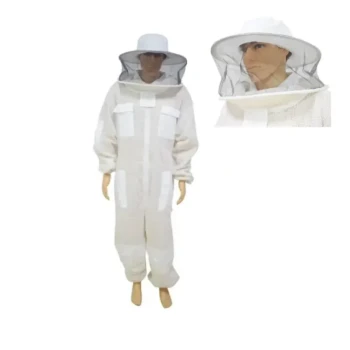
For apiary operations, select white or other light-colored protective suits and veils with full-body coverage, smooth fabric, and a securely sealed veil. Light colors help reduce defensive reactions from honey bees, while a roomy, snag-resistant suit and properly distanced veil provide the physical barrier needed during inspections, installations, harvesting, and maintenance. There is no single universal color standard for every market, but white is the safest default specification for professional sourcing.
Core takeaway: Prioritize light-colored—especially white—protective clothing, then verify the construction details that prevent stings: a smooth, loose-fitting suit, full facial coverage, a rigid veil held away from the face, sealed openings, and adequate ventilation.
Color Specifications for Beekeeping Protective Clothing
Select White or Light-Colored Fabrics
Traditional white suits, jackets, and veils are the preferred choice for apiary work. Light colors are less likely to resemble the dark-furred predators that can trigger defensive behavior in honey bees.
Acceptable alternatives may include light yellow or other pale shades, provided the fabric is smooth, breathable, and free from irritating chemical odors. For consistent commercial specifications, white remains the least ambiguous option.
Avoid Dark and Strongly Dyed Materials
Black, dark brown, navy, and other dark colors should generally be excluded from protective suit and veil specifications. They may increase the likelihood of defensive bee behavior and also make bees more difficult to see against the garment.
Some blue fabrics may be unsuitable even when they appear light. Certain dyes, finishes, or residual chemical odors can agitate bees, so any colored alternative should be evaluated for odor neutrality and colony compatibility rather than selected by color alone.
Use Smooth, Low-Snag Textiles
The outer fabric should have a smooth texture that does not allow bees to become caught in fibers or coarse surfaces. Cotton and other breathable, smooth fabrics are commonly suitable when they provide adequate sting resistance.
Avoid rough animal-textured materials and accessories such as wool or leather around hives. These materials can retain animal and body odors that may contribute to colony agitation.
Safety Specifications for Suits
Require Full-Body Coverage
For routine apiary operations, a full suit or a jacket-and-trouser system should cover the torso, arms, legs, neck, and head. Full coverage reduces exposed skin and limits the number of entry points through which bees can reach the operator.
For higher-risk work or commercial operations, integrated suit-and-veil designs are generally preferable because they reduce gaps between separate garments.
Specify a Loose, Roomy Fit
Protective clothing should be roomy rather than tight. Tight fabric stretches across the body and can bring the material closer to the skin, reducing the effective distance available to stop a sting.
A loose fit also supports unrestricted movement during hive inspections, lifting, harvesting, and other physically demanding tasks. Sizing should allow normal clothing underneath without compressing the protective material.
Seal Wrists, Ankles, and Closures
Elasticated wrist and ankle cuffs are essential because they prevent bees from crawling inside sleeves or pant legs. Suit openings should also be secured with dependable closures and minimal gaps.
Reliable zippers support quick donning and removal, but zipper quality should be assessed alongside overlap flaps, cuff construction, and overall closure integrity. A zipper alone does not guarantee bee-proof protection.
Choose Smooth, Durable Construction
The suit should resist snagging, tearing, and excessive stretching during field use. Smooth construction helps prevent bees from becoming entangled, while durable seams and closures support repeated laundering and deployment.
For distributors and resellers, these features should be verified as part of product-quality control rather than treated as optional styling details.
Veil Safety Specifications
Keep the Mesh Away From the Face
The veil mesh must remain well away from the face, particularly around the eyes, ears, mouth, and nose. A veil that collapses against the skin can allow a bee to sting through the mesh.
Wire hoops, rigid frames, or box-style mesh structures help maintain this clearance. The design should remain stable when the wearer bends, turns, or works in wind.
Require a Complete Neck Seal
The veil should form a bee-proof seal around the neck. Elastic hems, secure fastening systems, and waist ties can help prevent bees from entering beneath the veil.
Integrated veil systems are useful because they reduce the possibility of a gap forming between the head protection and the suit collar. However, integration should still be checked for reliable sealing and ease of adjustment.
Prioritize Visibility and Ventilation
High-visibility mesh supports accurate hive handling and reduces the need to lift or adjust the veil during work. Adequate ventilation is equally important, particularly during warm-weather operations and high-intensity field tasks.
The best design balances clear visibility, airflow, structural stability, and sting resistance. Excessively dense mesh may restrict vision and ventilation, while poorly structured mesh may press against the face.
Prevent Hair and Skin Exposure
A properly fitted veil should protect the face, ears, neck, and hairline. Preventing bees from becoming tangled in hair is an important practical benefit of an integrated head-and-veil system.
The wearer should inspect the veil before each use for tears, stretched openings, broken hoops, and damaged attachment points.
Additional Protection for Complete Apiary Coverage
Add Protective Boots
Tall protective boots can extend coverage below the suit and reduce exposure around the ankles. They should work with the suit cuffs rather than create a gap between the trouser leg and footwear.
Boots should also support stable movement on uneven or wet ground, since protective clothing is only effective when the operator can work safely and confidently.
Consider Gloves as Part of the System
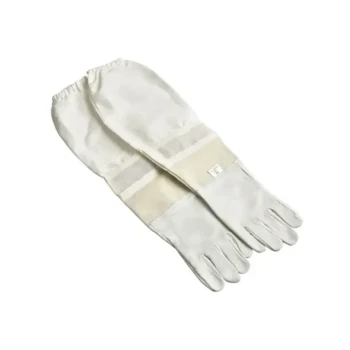
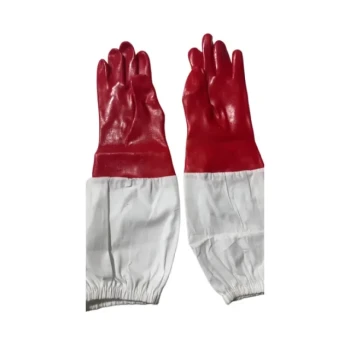
Gloves provide an additional physical barrier for the hands, which are frequently exposed during hive manipulation. Their design should preserve sufficient dexterity for handling frames and tools.
Glove selection should be coordinated with sleeve cuffs so that bees cannot enter at the wrist. A high-quality suit can still leave a vulnerable opening if the gloves and cuffs do not overlap securely.
Avoid Odor-Heavy Accessories
Leather, wool, and strongly scented garments should be avoided around colonies. Protective equipment should be clean and free from perfumes, chemical odors, and residual manufacturing smells that could disturb bees.
This consideration is especially important when evaluating new products, colored fabrics, coatings, and dye treatments for commercial supply.
Understanding the Trade-offs
White Versus Alternative Light Colors
White is the most reliable and recognizable specification for professional beekeeping clothing. Other pale colors can offer similar practical benefits, but they require closer evaluation of dyes, finishing chemicals, and odor neutrality.
For a standardized product portfolio, white simplifies purchasing decisions and reduces the risk of supplying a visually acceptable but behaviorally unsuitable fabric.
Ventilation Versus Protection
More ventilation improves comfort and reduces heat buildup, but mesh openings and ventilation panels must not compromise sting resistance or facial clearance. The design should maintain a stable barrier while allowing sufficient airflow.
A veil that is protective but unbearably hot may encourage the operator to loosen, remove, or improperly adjust it during work.
Roominess Versus Mobility
Loose clothing improves sting protection, but excessive material can catch on equipment or restrict movement. The correct specification is roomy with controlled shaping, secure cuffs, and an ergonomic cut.
Sizing ranges should be tested with normal underlayers and typical working movements before large-scale procurement.
Color Alone Does Not Ensure Safety
A white suit can still be unsafe if it has a damaged veil, exposed openings, tight fabric, weak seams, or poor closure design. Color helps manage bee behavior; it does not replace physical protection.
Product evaluation should therefore combine color requirements with garment construction, fit, ventilation, visibility, and sealing performance.
Making the Right Choice for Your Goal
Use the following priorities when specifying products for procurement, resale, or apiary use:
- If your primary focus is reducing defensive bee behavior: Choose a white or pale-colored suit and veil, while avoiding dark colors and strongly scented or heavily treated fabrics.
- If your primary focus is sting prevention: Specify full-body coverage, a loose fit, smooth fabric, secure zippers, elastic wrist and ankle cuffs, and a fully sealed veil.
- If your primary focus is warm-weather comfort: Select breathable fabric and well-ventilated, high-visibility mesh without allowing the veil to contact the face.
- If your primary focus is professional product sourcing: Require samples or inspection data covering fabric texture, odor, fit, seam strength, closure reliability, veil clearance, and cuff sealing.
- If your primary focus is operational flexibility: Use an integrated suit-and-veil system with tall protective boots and compatible gloves to minimize gaps during movement.
The strongest beekeeping protective specification combines white or light-colored smooth fabric with a roomy, sealed, ventilated, and structurally stable design.
Summary Table:
| Specification | Recommended Choice | Key Reason |
|---|---|---|
| Color | White or light colors | Minimizes defensive bee behavior |
| Suit Fit | Loose and roomy | Prevents stings through fabric tension |
| Wrist/Ankle Closures | Elasticated cuffs | Blocks bees from entering suit |
| Veil Mesh Distance | Kept away from face | Prevents stings through mesh |
| Veil Neck Seal | Complete seal | Stops bees from entering under veil |
| Fabric Texture | Smooth, low-snag | Prevents bees from getting caught |
| Ventilation | Adequate airflow | Improves comfort and reduces heat buildup |
Ensure your apiary team is protected with the right gear. HONESTBEE offers a full range of high-quality beekeeping suits and veils that meet safety standards, with bulk options for distributors and resellers. Contact us today for expert guidance and competitive wholesale pricing—get in touch now.
Related Products
- Premium Cotton Beekeeper Suit with Reinforced Fencing Veil
- White Cotton Beekeeping Jacket and Veil for Bee Keepers
- Beekeeping Jacket with Hood and Veil for Beekeepers
- Beekeeper Cowboy Hat and Veil for Beekeeping
- Premium Cowboy Beekeeper Hat with Visibility Veil Outdoor Professional Beekeeping Protective Gear
People Also Ask
- What material and design specifications are recommended for a high-quality beekeeper suit? Top Gear Selection Guide
- How to Pre-treat Propolis Stains on Beekeeping Suits? Master Advanced Fabric Care and Soil Removal
- What features should be considered for sting protection in a beekeeping suit? Ensure Total Safety and Comfort
- What are the differences between full suits and jackets with veils in beekeeping? Choose Your Best Protection
- What features should be looked for in a beekeeping suit for maximum comfort? Prioritize Ventilation and Fit