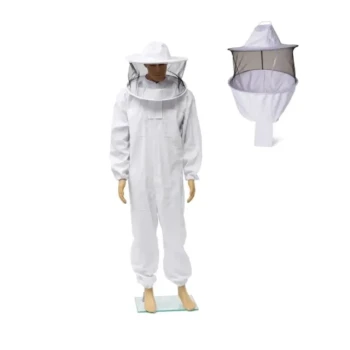
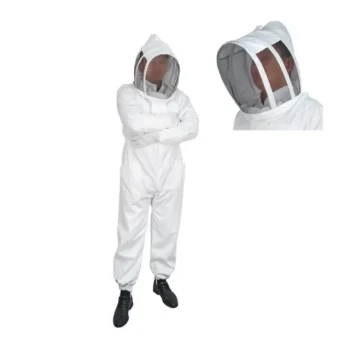
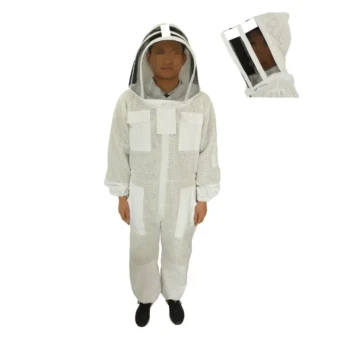
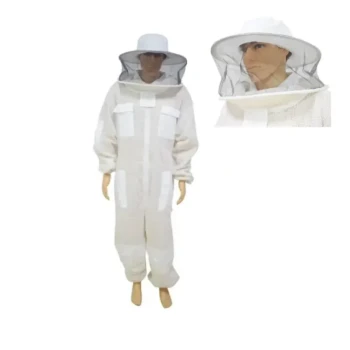
A high-quality beekeeper suit functions as a comprehensive, sensory-neutral barrier. At its core, the suit must be light-colored, smooth-textured, and completely free of patterns or scents that might agitate the colony. Structurally, it requires a fully sealed design with no gaps, utilizing heavy-duty closures and specific materials like leather or thick latex for hand protection to prevent sting penetration.
A superior suit balances bee psychology with physical barriers; it uses light, solid colors to remain non-threatening while relying on overlapping seals and durable, smooth fabrics to ensure total exclusion.
Optimizing Material for Bee Behavior
To the bees, your suit is a visual and textural signal. The material specifications must be chosen to minimize the colony's defensive response.
Visual Specifications
The fabric should be a solid, light color. Dark colors can mimic natural predators like bears, triggering a defensive reaction from the hive.
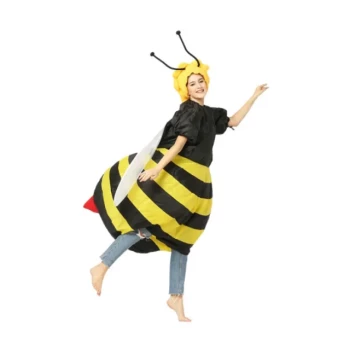
Avoid stripes or complex designs entirely. Visual complexity can agitate bees, making them more likely to land on and sting the garment.
Texture and Scent Control
The material surface must be smooth. Avoid rough, fuzzy, or wooly textures, as bees' legs can become entangled in the fibers, prompting them to sting.
Fabric hygiene is equally critical; the suit must be free of oil or animal scents. These odors can be interpreted as a threat or a rival animal, inciting aggression.
Structural Integrity and Sealing
The primary mechanical goal of the design is total exclusion. A high-quality suit creates a hermetic seal around the operator.
Zero-Gap Construction
The suit must be completely sealed with no gaps or holes. A full-body design—typically a one-piece jumpsuit or a seamless connection between jacket and pants—is essential to cover the operator from head to ankle.
Critical Closure Points
Elastic seals at the wrists and ankles are non-negotiable specifications. These barriers prevent bees from crawling up sleeves or pant legs, which is a common stinging vector.
High-grade suits often feature thumb holes to keep sleeves pulled down and secure inside gloves. Additionally, zippers should be designed to overlap at the chest and veil to create a sting-proof seal.
Hand Protection Specifications
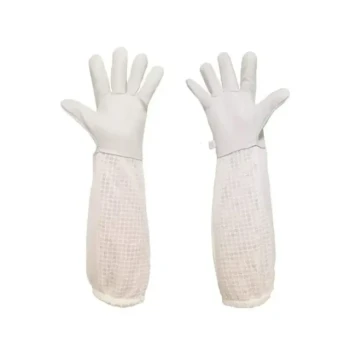
Gloves are the point of highest contact. They should be constructed from leather or thick latex. Thin materials are easily penetrated by stings and offer insufficient protection during hive manipulations.
Durability and Usability Features
Beyond basic safety, specific design elements contribute to the longevity of the gear and the comfort of the beekeeper.
Material Composition and Breathability
High-grade suits utilize durable materials such as cotton, polyester, or protective blends. Triple-layer fabric designs are often recommended to maximize sting protection while allowing air circulation.
Breathability is vital for operator safety to prevent overheating. The fabric should allow heat to escape, often aided by non-flammable mesh areas.
Hardware and Reinforcement
Look for reinforced stitching in high-movement areas to prevent rips that could admit bees. Zippers should be heavy-duty with large pull rings for easy operation while wearing gloves.
Veil and Visibility
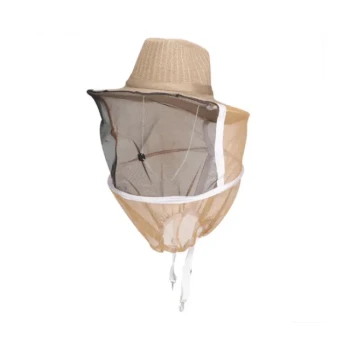
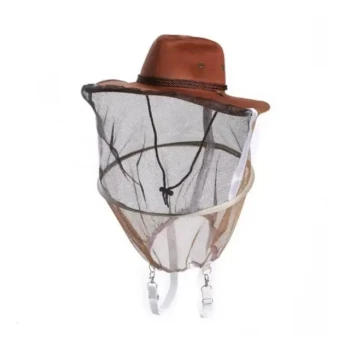
The veil requires a non-flammable mesh that provides clear visibility. It should feature a secure attachment system, such as a zipper, to connect firmly to the neckline without leaving openings.
Understanding the Trade-offs
While protection is paramount, specific design choices come with inherent compromises that must be managed.
Heat Retention vs. Protection
Thick, triple-layer fabrics offer the highest sting resistance but can retain significant body heat. In hot climates, this requires the operator to stay hydrated and take breaks, as the suit effectively acts as insulation.
Dexterity vs. Safety
Thick leather gloves provide maximum protection but significantly reduce tactile sensitivity. This lack of dexterity can sometimes lead to crushing bees during frame manipulation, which releases alarm pheromones and agitates the colony further.
Making the Right Choice for Your Apiary
Selecting the correct specifications depends on balancing your need for impenetrable safety with environmental comfort.
- If your primary focus is Maximum Protection: Prioritize a triple-layer fabric blend with overlapping zippers and thick leather gloves to ensure a sting-proof barrier.
- If your primary focus is Comfort in Hot Climates: Look for a suit with highly breathable synthetic mesh panels and a lightweight cotton-poly blend to reduce heat stress.
- If your primary focus is Durability: Select gear with reinforced stitching, heavy-duty metal zippers, and large pull rings to withstand frequent use.
Invest in a suit that seals completely and respects the bees' visual triggers to ensure a calm and safe apiary experience.
Summary Table:
| Feature | Specification | Purpose |
|---|---|---|
| Color | Solid, light/white | Avoids triggering predatory defense responses |
| Texture | Smooth, non-fuzzy | Prevents bees from getting entangled and stinging |
| Fabric | Triple-layer mesh / Heavy cotton | Maximum sting protection with breathability |
| Closures | Elastic wrists/ankles & overlapping zippers | Ensures zero-gap exclusion of bees |
| Gloves | Thick leather or heavy latex | Protects high-contact areas from sting penetration |
| Veil | Non-flammable mesh | Provides clear visibility and facial protection |
Elevate Your Beekeeping Standards with HONESTBEE
Equipping your commercial apiary or distribution business requires gear that balances impenetrable safety with operational durability. At HONESTBEE, we specialize in supporting commercial beekeepers and global distributors with a comprehensive wholesale portfolio.
From high-specification, triple-layer protective suits and heavy-duty gloves to advanced hive-making and honey-filling machinery, we provide the full spectrum of equipment and essential consumables. Partner with us to access professional-grade beekeeping tools and unique honey-themed merchandise designed for the modern industry.
Ready to scale your operations? Contact us today to explore our wholesale offerings!
Related Products
- Professional Cotton Beekeeper Suit with Round Veil Design for Commercial Apiaries
- Professional Beekeeper Suit with Square Folding Cotton Veil
- Premium Cotton Beekeeper Suit with Reinforced Fencing Veil
- Three-Layer Ventilated Beekeeper Suit with Structured Fencing Veil
- White Cotton Beekeeping Jacket and Veil for Bee Keepers
People Also Ask
- How to Pre-treat Propolis Stains on Beekeeping Suits? Master Advanced Fabric Care and Soil Removal
- Why is it important to keep a beekeeping suit clean? Essential Safety & Maintenance Tips
- Is it generally safe to wash a beekeeping suit in a washing machine? Maintain Your Safety Gear Properly
- What are the primary functional requirements for a beekeeping suit to ensure user safety? Professional Sourcing Guide
- What are the benefits of a high-quality beekeeping suit? Superior Protection, Comfort & Confidence