The choice of smoker fuel dictates the quality of smoke, the burn time, and the safety of your hive. Common fuel types include pine straw, corrugated cardboard, wood chip shavings, raw cotton, and commercial smoker pellets, each offering specific characteristics regarding availability and smoke density.
The ideal smoker fuel balances ease of ignition with a slow, cool burn. While availability often drives the decision, ensuring the material is natural and free of chemical treatments is the single most critical factor for colony health.
Analyzing Common Fuel Sources
Pine Straw and Needles
Pine straw is widely regarded as a highly effective fuel due to its abundance in many regions. It produces a clean smoke that effectively calms bees. However, its utility is strictly dependent on weather conditions; pine straw becomes virtually unusable when damp.
Corrugated Cardboard
This material serves as an excellent secondary fuel source or starter. When rolled tightly, corrugated cardboard produces a thick, white smoke. It lights easily, making it perfect for getting a fire established before adding longer-burning materials.
Wood Chips and Shavings
Wood chips are viable options that offer a longer, more consistent burn than paper products. Their usage typically depends on the availability of local woodworking industries or hardware suppliers.
Raw Cotton
Raw cotton produces a consistent smoke and is a valid option for beekeepers in agricultural areas where it is accessible. Like wood chips, its availability is generally tied to local industry and geography.
Commercial Smoker Pellets
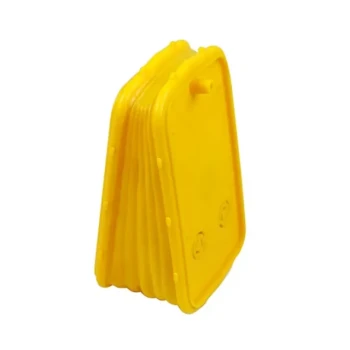
Compressed smoker pellets are engineered for convenience. They are particularly useful as a quick-burning alternative in urgent situations where you need smoke immediately. However, they may burn faster than dense natural woods.
Critical Safety and Quality Considerations
Avoiding Chemical Contaminants
Regardless of the fuel type, you must ensure the material is free from chemicals, paints, or synthetic residues. Burning treated materials can introduce toxins into the hive. This poses a direct threat to the health of the honeybee colony and risks contaminating your honey harvest.
The Impact of Moisture
Fuel condition is just as important as fuel type. Dry materials are non-negotiable. As noted with pine straw, damp fuel fails to combust properly and may produce steam rather than smoke, which can scald bees.
Making the Right Choice for Your Goal
Select your fuel based on the urgency of the task and the duration of the inspection.
- If your primary focus is extended burn time: Prioritize wood chips or dry pine straw, as these materials smolder longer and require less frequent reloading.
- If your primary focus is quick ignition: Utilize corrugated cardboard or smoker pellets to generate thick smoke rapidly for short checks.
- If your primary focus is safety and purity: Strictly verify that your wood shavings or dried leaves are untreated and sourced from natural environments to prevent chemical exposure.
By selecting the appropriate fuel for your specific context, you maintain control over the hive while ensuring the safety of your apiary.
Summary Table:
| Fuel Type | Ignition Speed | Burn Duration | Best Use Case |
|---|---|---|---|
| Pine Straw | Moderate | Long | Extended hive inspections; abundant and natural. |
| Corrugated Cardboard | Very Fast | Short | Excellent starter fuel or quick hive checks. |
| Wood Chips | Slow | Very Long | Consistent, long-term smoldering for large apiaries. |
| Raw Cotton | Fast | Moderate | Reliable smoke production in agricultural regions. |
| Smoker Pellets | Very Fast | Variable | Emergency use or rapid smoke generation. |
Elevate Your Beekeeping Operation with HONESTBEE
At HONESTBEE, we understand that commercial success in beekeeping depends on the quality and reliability of your equipment. As a leading global supplier for commercial apiaries and distributors, we offer a comprehensive wholesale portfolio designed to optimize your efficiency and hive health.
Why partner with us?
- Full Spectrum Supply: From professional-grade bee smokers to advanced hive-making and honey-filling machinery.
- Premium Consumables: A wide array of essential industry supplies to keep your operations running smoothly.
- Wholesale Expertise: Tailored solutions for large-scale distributors and commercial beekeeping businesses.
Ready to scale your business with industry-leading tools and merchandise? Contact us today to explore our wholesale offerings and see how HONESTBEE can deliver the competitive edge your apiary deserves.
Related Products
- 54-Piece Smoker Fuel Pellets for Beekeeping Beehive Smoker Fuel
- Stainless Steel Honey Bee Smoker Hive and Honeycomb Smoker for Beekeeping
- Galvanized Beekeeping Smoker for Honey Bee and Apiculture
- Premium Traditional Copper Bee Smoker with Bellows
- Stainless Steel Electric Beehive Smoker for Beekeeping and Bee Keeper Use
People Also Ask
- What is the best bee hive smoker fuel? Choose Natural, Slow-Burning Fuel for Calm Bees
- What to put in a bee hive smoker? A Guide to Natural, Calming Fuels
- What fuels are recommended for beehive smokers? Master the Art of Calm, Controlled Inspections
- What type of fuel is best for smokers? Choose the Right Fuel for BBQ or Beekeeping
- What types of fuel can be used in a beekeeper's smoker? Best Options for Clean and Effective Smoke