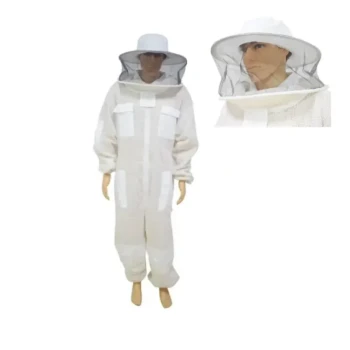
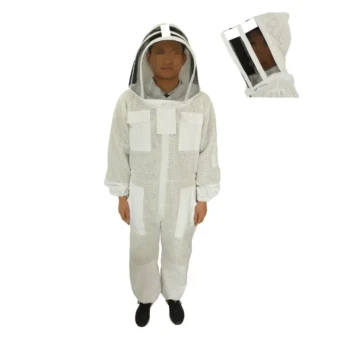
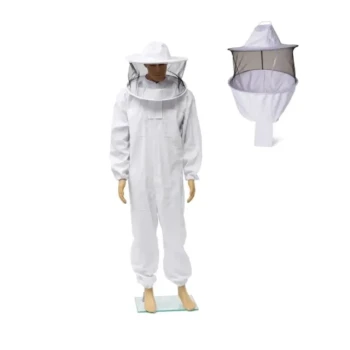
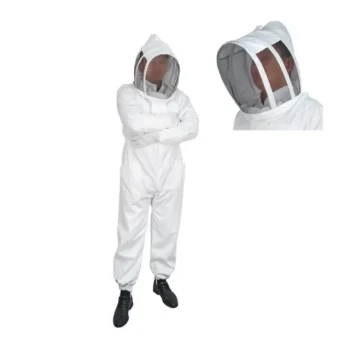
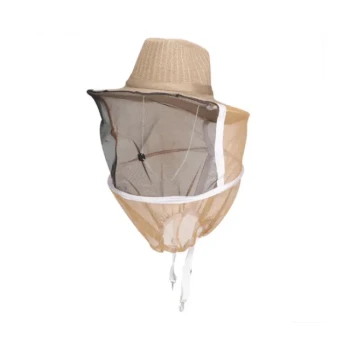
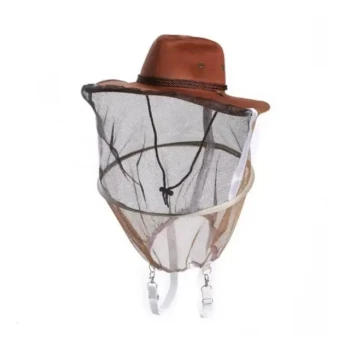
Bee suit designs vary significantly to accommodate different levels of risk tolerance, climate conditions, and task duration. The three primary configurations available are the full suit for total coverage, the jacket-only design for convenience and speed, and ventilated suits engineered specifically for airflow in high temperatures.
Beekeeping protection is not "one size fits all"; the ideal choice requires balancing the need for maximum sting prevention against the physical demands of heat management and mobility.
Structural Configurations
The physical shape of the gear dictates the level of coverage and ease of use.
Full Body Suits
The full suit is the industry standard for comprehensive safety.
It offers maximum coverage from head to toe, leaving no skin exposed to potential stings. This design is the safest choice for aggressive hives or extensive apiary work.
Jacket-Only Designs
For quick tasks, the jacket-only design provides a balance of protection and agility.
This option protects the upper body and is ideal for quick inspections or hobbyists who do not require full-body armor. It allows for greater mobility but requires the beekeeper to wear thick trousers for lower-body protection.
Specialized Children's Sizes
Safety gear extends to younger enthusiasts with suits specifically sized for children.
Typically fitting ages up to 10 years, these provide the same full protection as adult suits. They allow children to safely observe and participate without the risk of stings.
Material Composition and Climate Control
Modern suits utilize specific materials to solve the problem of comfort versus durability.
Ventilated Suits
Ventilated suits are a distinct category designed to combat heat stress.
Featuring specialized layering or mesh, these provide excellent airflow. They are the optimal choice for beekeepers working in hot climates where overheating is a significant risk.
Cotton Options
Cotton remains a common choice due to its natural durability and breathability.
While tough, cotton suits can become heavy and uncomfortable in extreme heat. They are best suited for cooler climates or shorter durations of work.
Polyester Options
Polyester is favored for its lightweight properties.
It is generally tear-resistant, offering a rugged barrier against wear and tear in the field. However, it may not breathe as naturally as cotton without added ventilation features.
Understanding the Trade-offs
Selecting the right gear involves accepting certain compromises regarding comfort and safety.
Coverage vs. Convenience
A full suit offers peace of mind but can be cumbersome to put on and take off.
Conversely, a jacket is easy to slip on for a five-minute check but leaves the legs vulnerable. You must decide if the time saved is worth the potential exposure.
Protection vs. Heat Management
Thick materials like heavy cotton offer a dense barrier against stings but trap body heat.
Ventilated mesh suits solve the heat problem but often come at a higher price point or different bulk. Ignoring climate factors when choosing a material can lead to dangerous heat exhaustion during long inspections.
Making the Right Choice for Your Goal
To select the correct variation, match the design to your specific environmental conditions and experience level.
- If your primary focus is Maximum Safety: Choose a full suit, as it ensures head-to-toe coverage and eliminates gaps where bees could enter.
- If your primary focus is Heat Management: Opt for a ventilated suit or mesh material, which allows for essential airflow in hot climates.
- If your primary focus is Speed and Agility: Select a jacket-only design, which is sufficient for quick inspections and allows for greater lower-body mobility.
Prioritize the suit that mitigates your biggest environmental risk, whether that is the aggression of the hive or the intensity of the sun.
Summary Table:
| Suit Type | Design | Best For | Key Material Advantage |
|---|---|---|---|
| Full Body Suit | Total coverage (head-to-toe) | Maximum safety & aggressive hives | Complete sting prevention |
| Jacket-Only | Upper body protection | Quick inspections & agility | Easy to wear & lightweight |
| Ventilated Suit | Multi-layered mesh | Working in hot climates | Superior airflow & cooling |
| Cotton Suit | Natural fiber fabric | Cooler climates & durability | Breathable & rugged |
| Polyester Suit | Synthetic fabric | High-intensity field work | Tear-resistant & lightweight |
| Children's Suit | Scaled-down full suit | Young enthusiasts | Full protection for kids |
Scale Your Beekeeping Business with HONESTBEE
At HONESTBEE, we specialize in empowering commercial apiaries and distributors with premium-grade equipment. Whether you need professional-grade ventilated bee suits, advanced honey-filling machines, or bulk beekeeping consumables, our comprehensive wholesale portfolio has you covered.
Why partner with us?
- Complete Wholesale Catalog: From specialized hive-making machinery to essential hardware.
- Industry Expertise: Tailored solutions for large-scale operations and global distributors.
- Proven Quality: Durable gear designed to withstand the rigors of commercial beekeeping.
Ready to enhance your productivity and protect your team? Contact us today to discuss our wholesale offerings and discover how HONESTBEE can grow your business!
Related Products
- Premium Three Layer Ventilated Bee Suit with Round Veil
- Professional Beekeeper Suit with Square Folding Cotton Veil
- Professional Beekeeping Suit for Kids and Girls Childrens Bee Keeper Suit
- Three-Layer Ventilated Beekeeper Suit with Structured Fencing Veil
- Professional Cotton Beekeeper Suit with Round Veil Design for Commercial Apiaries
People Also Ask
- What are the features of a ventilated bee suit? Stay Cool and Protected in Hot Weather
- What is the function of professional protective consumables? Scale Your Apiary with Ventilated Bee Suits
- What should be considered when purchasing a ventilated bee suit? Ensure Maximum Safety and Comfort
- What is the advantage of ventilated bee suits over traditional ones? Stay Cool and Protected with Mesh Technology
- What materials are used in ventilated bee suits? Choose Between 3-Layer Mesh & Foam for Optimal Protection