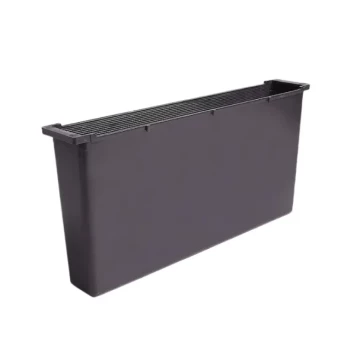
Open feeding presents significant biological risks that often outweigh its convenience. While this method involves simply placing a sugar-water mixture in a large external container to save time, its primary disadvantages are the attraction of dangerous pests, the rapid spread of disease, and the instigation of aggressive behavioral changes within the apiary.
The central danger of open feeding is that it creates an uncontrolled intersection for insects. It transforms a food source into a vector for pathogens and predators, exposing your colonies to threats they would otherwise avoid.
The Ecological Risks of Open Feeding
Attraction of Predators and Pests
The most immediate downside of leaving food in the open is the arrival of unwanted visitors. A large container of syrup acts as a beacon for sugar-seeking pests.
This often includes ants, wasps, and hornets. These predators do not merely consume the syrup; they often threaten the bees themselves, leading to stress and colony loss.
Disease Transmission
Open feeding creates a communal dining area for bees from different colonies, including feral bees. This mixing of populations allows diseases to jump barriers that usually protect individual hives.
If a visiting bee carries a pathogen, the feeder becomes a contamination point. This can result in an infection sweeping through and killing your entire apiary.
Behavioral Consequences
Inciting Robbery
Bees are opportunistic foragers. When a large, easily accessible food source is placed near hives, it can trigger a "feeding frenzy" mentality.
This heightened state often leads to robbery, where strong hives attack weaker ones to steal their stores. Open feeding creates an environment that encourages this aggressive behavior rather than calm foraging.
Encouraging Scavenging
Once the open feeder is empty, the bees remain in a high-foraging mode. They may begin seeking food sources in undesirable nearby locations.
This can lead pests and bees to scavenge in trash cans or neighboring gardens. It disrupts the natural foraging patterns and creates potential conflicts with humans and neighbors.
Understanding the Trade-offs
Convenience vs. Biosecurity
It is important to acknowledge that open feeding is used because it saves time and energy. It requires no protective gear and eliminates the need to open individual hives to refill internal feeders.
However, this convenience comes at the cost of biosecurity. While closed feeding requires purchasing specific equipment and spending more time per hive, it isolates the food source, protecting the colony from the external threats inherent in open feeding.
Making the Right Choice for Your Apiary
Ultimately, the method you choose depends on your balance of risk tolerance versus labor availability.
- If your primary focus is Colony Health: Avoid open feeding to maintain strict biosecurity and prevent the spread of disease or parasites between hives.
- If your primary focus is Time Management: Use open feeding only if you are willing to accept the high risk of attracting predators and inciting robbery among your hives.
Prioritize the long-term survival of the colony over the short-term convenience of the feeding method.
Summary Table:
| Disadvantage | Impact on Apiary | Level of Risk |
|---|---|---|
| Pest Attraction | Attracts wasps, hornets, and ants that prey on bees | High |
| Disease Spread | Cross-contamination between feral and managed colonies | Critical |
| Robbing Behavior | Stronger hives attack weaker ones, causing colony loss | High |
| Scavenging | Bees forage in trash or neighbors' gardens | Medium |
| Biosecurity | Loss of controlled environment within the hive | High |
Secure Your Apiary’s Future with HONESTBEE
Don't let inefficient feeding practices compromise your commercial success. At HONESTBEE, we specialize in supporting commercial apiaries and distributors with professional-grade solutions that prioritize colony biosecurity and operational efficiency.
From advanced hive-making machinery and precision honey-filling equipment to a comprehensive range of beekeeping tools and essential consumables, we provide everything you need to scale your operations safely.
Ready to upgrade your equipment and protect your bees? Contact our wholesale experts today to discover how our tailored equipment solutions can enhance your productivity and honey yield.
Related Products
- HONESTBEE Entrance Bee Feeder Efficient Hive Front Liquid Feeding Solution for Beekeeping
- Classic Boardman Entrance Bee Feeder Hive Front Feeding Solution
- White Plastic 0.5L Beekeeping Entrance Feeder for Bees
- HONESTBEE Entrance Bee Feeder Professional Hive Nutrition Solution for Beekeeping
- HONESTBEE Professional Entrance Bee Feeder Hive Nutrition Solution
People Also Ask
- What types of bee feeders are available for beginners? Start with the Simple Entrance Feeder
- What are the advantages and disadvantages of using an entrance feeder for bees? Balance Convenience and Hive Security.
- What is a bee entrance feeder and what are its drawbacks? Essential Guide to Hive Security and Feeding Efficiency
- How does a bee entrance feeder work? A Simple Guide to Convenient Hive Feeding
- How to make an entrance feeder for bees? A DIY Guide for Safe & Effective Feeding