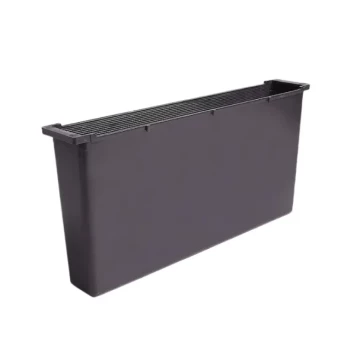
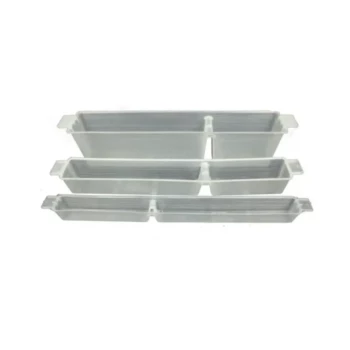
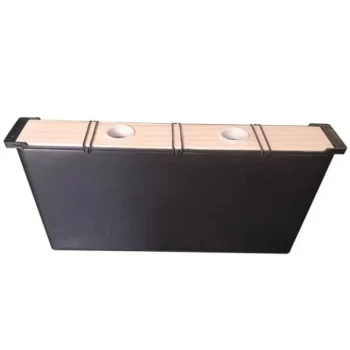
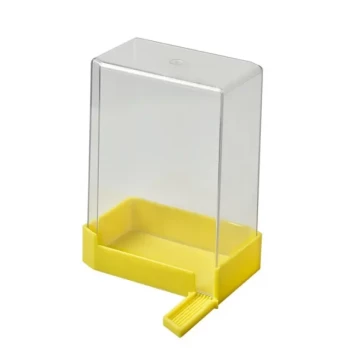
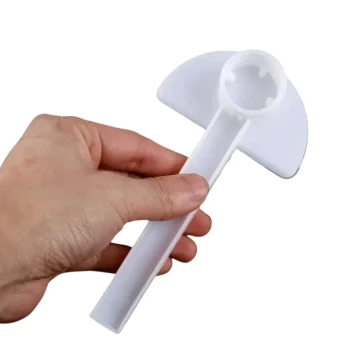
Internal frame feeders give commercial beekeepers a safer, more controlled, and operationally efficient way to deliver syrup inside the hive. Installed by replacing one or two standard frames, they keep feed close to the colony, reduce exposure to robbing and weather, and allow bees to access supplemental nutrition during periods when external foraging is limited. For commercial apiaries, their standard hive compatibility also simplifies transport, seasonal feeding programs, and equipment management.
Internal frame feeders place a protected syrup reservoir beside the brood nest, improving feeding access while reducing robbing, weather exposure, and unnecessary colony disturbance. Their greatest commercial value is the combination of colony safety, standardized handling, and efficient integration with existing hive systems.
Why Internal Frame Feeders Improve Colony Feeding
Feed Remains Close to the Cluster
Because the reservoir sits inside the brood box, syrup remains near the colony’s heat and is accessible during cool weather. Bees can collect feed without making the same level of exposed flight required by external feeding systems.
This is particularly useful for newly established nuclei, weak colonies, and colonies receiving supplemental feed when natural nectar sources are unavailable.
Robbing Risk Is Lower
Outdoor syrup can attract bees from neighboring colonies and pests, creating competition and potentially triggering robbing. An internal feeder keeps the feed sealed within the hive body, making it substantially less visible and accessible to outside insects.
Reducing robbing pressure is especially important in commercial yards containing many colonies, where one exposed syrup source can affect multiple hives.
Weather Has Less Impact
Wind, rain, and low temperatures can make external feeding less practical and can interfere with bees’ access to exposed syrup. An internal feeder protects the reservoir from direct environmental exposure while maintaining a consistent feeding location.
This gives operators more predictable feeding performance across changing seasonal conditions.
Access Can Be Designed for Bee Safety
Commercially designed frame feeders commonly include ladders, textured surfaces, or other internal grips. These features help bees reach the syrup and climb out, reducing the risk of drowning.
The feeder design should still be evaluated carefully, because safe access depends on construction quality, syrup depth, and the condition of the access surfaces.
Commercial Advantages for Apiary Operations
Standard Hive Compatibility Simplifies Handling
Frame feeders replace standard frames in medium or deep hive bodies, allowing them to fit into established hive formats. This reduces the need for a separate feeding platform or a specialized external installation.
For distributors and commercial beekeepers, compatibility with common hive equipment makes the product easier to specify, stock, sell, and deploy across different apiary programs.
Feeding Becomes Easier to Standardize
A consistent internal feeder format helps operators establish repeatable procedures for installation, filling, inspection, and removal. Standardization matters when many colonies must be serviced by different members of a field team.
It also supports more predictable seasonal feeding programs for colony establishment, buildup, and periods of limited forage.
Hive Transport Remains Straightforward
Since the feeder is located inside the hive body, it fits into the same general equipment system used for standard hive transportation. This avoids adding a separate external feeding structure that may complicate movement or yard organization.
Operators must still account for the weight and movement of liquid syrup before transporting colonies, but the internal format is operationally compatible with standard hive management.
Large-Scale Filling Systems Can Be Integrated
Commercial apiaries can connect internal feeders with large syrup tanks, pumps, and hoses. This allows teams to fill multiple colonies efficiently while reducing repetitive manual handling.
Smaller operations can use a bucket or watering can with a funnel, giving the same feeder format flexibility across different customer segments and apiary sizes.
Service and Inventory Management Are More Efficient
For B2B buyers, a feeder that fits standard hive bodies can be included within a broader equipment portfolio rather than treated as a standalone system. This supports one-stop sourcing for feeders, hive components, syrup-handling equipment, and replacement parts.
Reliable stock availability, rapid order response, and clear technical support are important because feeding equipment is often needed during narrow seasonal windows.
Supporting Colony Development
Internal Feeding Helps Vulnerable Colonies
New nuclei and recently established colonies may not have enough foragers or stored food to maintain steady development. An internal reservoir provides direct access to supplemental syrup without requiring the colony to defend an exposed food source.
This can help operators support colonies during establishment and early population growth.
Feeding Can Support Brood Rearing
Supplemental syrup can be converted into food stores or used in the colony’s normal food flow, including nourishment for larvae. By placing feed near the brood nest, the feeder supports the colony’s existing distribution pattern.
Feeding does not replace adequate nutrition from natural forage, but it gives the beekeeper greater control when forage is inconsistent.
Internal Feeding Can Encourage Brood-Nest Activity
A reliable syrup supply can simulate the availability of nectar and encourage colony activity, including conditions associated with queen laying and brood rearing. The effect depends on colony strength, season, weather, and the quality of the overall feeding program.
Commercial operators should treat frame feeders as one part of a broader colony-development strategy rather than as a guarantee of increased production.
Understanding the Trade-offs
Feeder Capacity May Be More Limited
Internal frame feeders generally replace one or two frames, so their capacity may be lower than that of large rapid feeders such as Miller or Ashforth-style systems. That can require more frequent refilling in operations with high syrup demand.
The correct choice depends on whether the priority is close colony access and compact integration or maximum capacity between service visits.
Filling Can Disturb the Hive
The feeder must usually be accessed through the hive, which may require opening or partially disrupting the colony. Operators should use organized filling procedures to limit disturbance and avoid spills.
Careful dispensing with a funnel, pump, or hose is important because spilled syrup can still create robbing pressure around the apiary.
Drowning Remains a Design Risk
Internal placement does not automatically make a feeder safe. Poorly designed access points, damaged ladders, or excessive syrup movement can still cause bee losses.
Buyers should assess internal safety features, materials, cleanability, durability, and replacement-part availability before selecting a product for commercial use.
Frame Space Is Reduced
Replacing one or two brood-box frames with feeders reduces the space available for comb. This trade-off is usually intentional, but it must be considered when planning brood-nest configuration and seasonal hive capacity.
Feeders should be installed and removed according to the colony’s management requirements rather than left in place without a clear purpose.
Syrup Quality Requires Management
Internal feeders protect syrup from many external contaminants, but they do not eliminate the need for proper syrup preparation, storage, and cleaning. Residue and contamination can affect colony health and feeder service life.
Commercial users should choose materials that withstand repeated use and establish cleaning and inspection procedures between feeding cycles.
Making the Right Choice for Your Goal
Internal frame feeders are most valuable when the feeding system must be safe for colonies, compatible with standard equipment, and practical to operate across many hives.
- If your primary focus is colony safety: Choose feeders with secure ladders or textured access surfaces that reduce drowning risk and keep syrup near the cluster.
- If your primary focus is robbing prevention: Use an internal reservoir that keeps syrup sealed inside the hive and avoid spills during filling.
- If your primary focus is commercial efficiency: Standardize on feeders compatible with existing medium or deep hive bodies and connect them to pumps, tanks, and hoses where appropriate.
- If your primary focus is reducing service visits: Compare frame-feeder capacity with larger rapid feeders and select the format that matches your refill schedule.
- If your primary focus is distribution and resale: Prioritize durable, cleanable products with broad hive compatibility, dependable availability, technical support, and replacement components.
The right internal frame feeder gives commercial beekeepers tighter control over nutrition while making colony feeding safer, more consistent, and easier to scale.
Summary Table:
| Advantage | Description | Commercial Impact |
|---|---|---|
| Close cluster access | Syrup reservoir inside hive, near brood nest | Supports weak/nucleus colonies in cool weather |
| Reduced robbing risk | Sealed feed less visible to outside bees/pests | Protects multiple hives in commercial yards |
| Weather protection | Reservoir shielded from wind/rain/temperature | Consistent feeding performance |
| Standard hive compatibility | Replaces standard frames (medium/deep) | Simplifies spec, stock, and deployment |
| Standardized procedures | Consistent installation/filling/inspection | Repeatable field team operations |
| Transport-friendly | Fits within standard hive body | No extra external equipment during transport |
| Integration with filling systems | Can connect to pumps/tanks/hoses | Efficient large-scale feeding |
| Streamlined inventory | Fits within broader equipment portfolio | One-stop sourcing for B2B buyers |
| Supports colony development | Direct supplemental syrup access | Aids vulnerable colonies and brood rearing |
| Safety features | Ladders/textured surfaces reduce drowning | Lowers bee loss risk |
Maximize your apiary's efficiency with HONESTBEE's premium internal frame feeders and full-spectrum beekeeping equipment. Designed for commercial apiaries and B2B distributors, our solutions offer one-stop sourcing, rapid response, and ultra-fast delivery. Benefit from OEM/ODM support, certifications, and supply reliability that boost your profit margins. Contact us today to elevate your feeding operations and grow your business!
Related Products
- Professional In-Hive Bee Feeder HONESTBEE Frame for Beekeeping
- In-Hive Dual Compartment Frame Bee Feeder for Targeted Colony Nutrition
- Professional In-Hive Frame Bee Feeder by HONESTBEE
- 3.5L Plastic Beehive Frame Feeder Deep Frame Water Feeder for In Hive Use
- Rapid Bee Feeder White Plastic 2L Round Top Feeder for 8 or 10-Frame Bee Hives
People Also Ask
- When should beekeepers stop feeding their bees? Let Your Bees Tell You
- Why is the use of a beekeeping feeder for syrup supplementation important? Boost Colony Growth and Survival
- What are the common types of internal and external feeders used in beekeeping? Choose the Right Feeder for Your Hive
- What is a feeder in the context of beekeeping? Optimize Your Hive Nutrition and Growth
- How do specialized feeders contribute to effective artificial feeding? Scientific Apiary Management & Colony Health