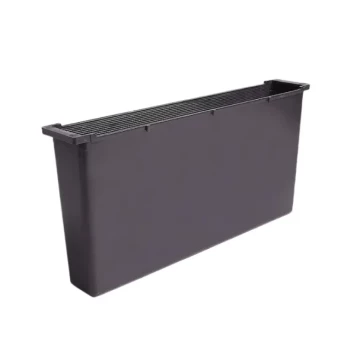
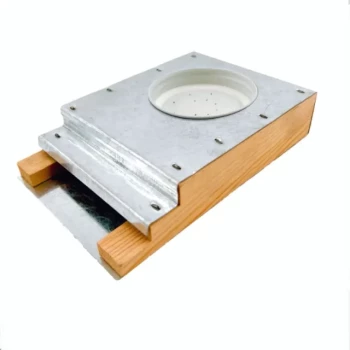
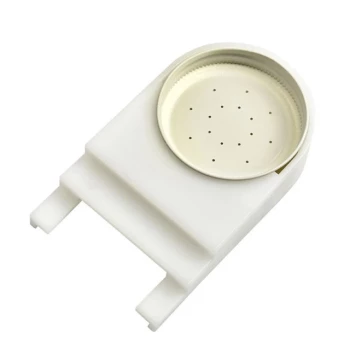
Using a beekeeping feeder for syrup supplementation acts as a critical bridge between natural nectar flows. During nectar-scarce periods, this practice provides the essential energy required to prevent colony starvation and shrinkage. By artificially stimulating the queen to continue laying eggs, you ensure the colony maintains the population density necessary to maximize production when the next natural honey flow begins.
The Core Insight Feeding syrup is not merely a survival mechanism; it is a strategic investment in future productivity. It prevents the colony from consuming its own biological assets (population and health) to survive, ensuring the apiary remains robust enough to defend itself and immediately capitalize on the next floral bloom.
The Physiology of Colony Survival
Combating Starvation and Collapse
When natural nectar sources disappear due to drought, seasonal changes, or "dearth" periods, a colony’s metabolic needs do not cease. Without intervention, the colony will consume its reserves and eventually face starvation.
Supplementary feeding prevents this decline. By providing specialized sugar syrup, you compensate for the lack of environmental resources, maintaining the colony's basic metabolism and preventing the population shrinkage that leads to colony collapse.
Preventing Absconding
Hunger is a primary driver of colony instability. If resources drop below a critical threshold, the colony may attempt to "abscond"—leaving the hive entirely to seek better resources elsewhere.
Strategic feeding anchors the colony. Providing consistent nutrition through feeders eliminates the biological trigger for absconding, securing your apiary assets during off-seasons.
Strategic Population Management
Stimulating the Queen
The queen's egg-laying rate is directly tied to the incoming food supply. If the nectar flow stops, the queen naturally reduces or stops laying to conserve resources.
Syrup supplementation overrides this natural pause. By mimicking a nectar flow, you stimulate the queen to continue laying eggs. This maintains "reproductive vitality" throughout the dearth period.
Preparing for the Next Flow
The ultimate goal of a beekeeper is not just survival, but production. A colony that has shrunk due to starvation requires weeks or months to rebuild its workforce once flowers bloom again, causing you to miss the peak harvest.
Feeding ensures readiness. By maintaining a high population of foraging worker bees during the lull, the colony possesses the "foraging strength" required to begin honey production the moment the next major nectar flow starts.
Beyond Nutrition: The Defensive Trade-off
The Risk of the Weak Colony
There is a direct trade-off between the cost of syrup and the cost of defending a weak hive. Weak or starving colonies lack the manpower to defend their hive, making them prime targets for pests like the Greater Wax Moth.
Strong colonies are self-policing. A well-fed, populous colony exhibits aggressive defensive behaviors. They actively remove wax moth eggs and seal larval tunnels, significantly reducing susceptibility to infestation without requiring chemical intervention.
The Feeder as a Delivery System
Beekeepers must often manage disease and nutrition simultaneously. During nectar-scarce periods, the feeder becomes a multi-purpose tool.
Feeders serve as medication carriers. They are an effective medium for administering treatments for issues like Varroa mites or general disease prevention. This allows you to tackle health issues while simultaneously addressing energy deficits.
Making the Right Choice for Your Goal
To maximize the effectiveness of your apiary management, align your feeding strategy with your specific objectives:
- If your primary focus is Colony Survival: Prioritize consistent syrup delivery to maintain basic metabolism and prevent absconding caused by hunger.
- If your primary focus is Honey Production: Begin feeding before the colony shrinks to keep the queen laying, ensuring a full workforce is ready for the next bloom.
- If your primary focus is Asset Protection: Maintain high population levels through feeding to naturally defend against Greater Wax Moths and use feeders to deliver necessary medications.
Ultimately, the cost of syrup supplementation is an investment in population stability that yields returns through colony survival, disease resistance, and immediate harvest readiness.
Summary Table:
| Benefit | Impact on Colony | Strategic Value |
|---|---|---|
| Starvation Prevention | Maintains basic metabolism during dearth | Prevents colony collapse and resource depletion |
| Queen Stimulation | Mimics nectar flow to maintain egg-laying | Ensures a robust workforce for the next honey flow |
| Absconding Control | Provides food security within the hive | Anchors the colony and protects your apiary assets |
| Pest Defense | Maintains high population density | Enhances natural resistance against Greater Wax Moths |
| Medication Delivery | Acts as a carrier for health treatments | Simplifies disease management while feeding |
Maximize Your Apiary Productivity with HONESTBEE
Don't let nectar-scarce periods derail your honey production. HONESTBEE empowers commercial apiaries and distributors with the high-quality tools and machinery needed to maintain thriving colonies year-round. From durable beekeeping feeders and specialized hardware to advanced hive-making and honey-filling machines, our comprehensive wholesale portfolio is designed to enhance your efficiency and scale your operations.
Whether you need industrial-grade equipment or essential industry consumables, our experts are ready to provide the specialized solutions your business requires. Contact us today to explore our full spectrum of beekeeping equipment and wholesale offerings!
References
- Asfaw Albore, Daniel Abraham. Adoption and intensity of adoption of beekeeping technology by farmers: The case of Sheko Woreda of Bench-Maji Zone, South West Ethiopia. DOI: 10.15421/2019_716
This article is also based on technical information from HonestBee Knowledge Base .
Related Products
- HONESTBEE Entrance Bee Feeder Professional Hive Nutrition Solution for Beekeeping
- HONESTBEE Entrance Bee Feeder Efficient Hive Front Liquid Feeding Solution for Beekeeping
- Professional In-Hive Bee Feeder HONESTBEE Frame for Beekeeping
- Boardman Entrance Bee Feeder Durable Galvanized Steel and Wood Construction for Beekeeping
- Professional Hive Top Bee Feeder for Beekeeping
People Also Ask
- What types of bee feeders are available for beginners? Start with the Simple Entrance Feeder
- What are the advantages and disadvantages of using an entrance feeder for bees? Balance Convenience and Hive Security.
- What is a bee entrance feeder and what are its drawbacks? Essential Guide to Hive Security and Feeding Efficiency
- How does a bee entrance feeder work? A Simple Guide to Convenient Hive Feeding
- How to make an entrance feeder for bees? A DIY Guide for Safe & Effective Feeding