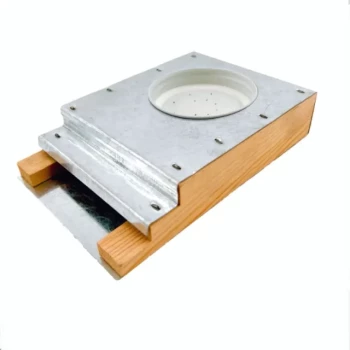
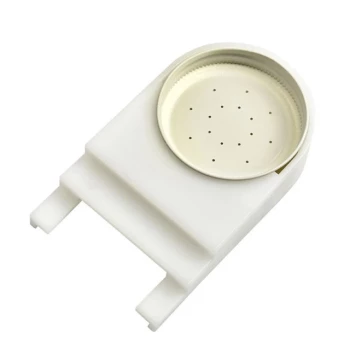
A feeder is a specialized vessel or device designed for beekeepers to supply essential nutrition to a honey bee colony. These contraptions allow the apiarist to introduce pollen, honey, or artificial substitutes directly to the hive, ensuring the bees have adequate resources when natural foraging is insufficient.
Feeders are essential management tools that bridge the gap between natural nectar flow and colony needs, allowing for the controlled delivery of food substitutes to ensure hive survival and growth.
The Mechanics of Hive Feeding
Delivering Supplemental Nutrition
The primary function of a feeder is to act as a delivery system for food sources that may be lacking in the environment.
While bees naturally forage for nectar and pollen, environmental factors often create shortages.
A feeder holds these resources—specifically pollen, honey, or their substitutes—making them accessible to the bees within or near the hive structure.
Adapting to Operational Scale
The specific type of feeder and method of delivery often depends on the size of the beekeeping operation.
Large-scale operations typically utilize frame feeders integrated into the hive bodies.
To fill these efficiently, commercial beekeepers employ reliable equipment systems, such as large tanks equipped with pumps and hoses.
Small-scale beekeepers, conversely, often rely on manual methods.
Syrup or feed is typically dispensed using a bucket or a watering can.
Common Pitfalls to Avoid
The Risk of Robbing
One of the most critical risks associated with feeding is robbing.
If syrup or honey is spilled outside the feeder, it can attract bees from other colonies or pests.
This triggers a feeding frenzy where stronger colonies may attack and steal resources from the hive being fed.
Preventing Spillage
Precision is required when filling feeders to mitigate the risk of robbing.
For manual feeding, using a funnel is highly recommended.
This simple tool prevents overflowing and spilling, ensuring the food remains contained within the vessel where only the intended colony can access it.
Making the Right Choice for Your Goal
When selecting a feeding strategy, consider the scale of your apiary and the equipment available to you.
- If your primary focus is commercial efficiency: Utilize frame feeders combined with a tank-and-pump system to rapidly dispense feed across many hives.
- If your primary focus is small-scale management: Use a watering can or bucket paired with a funnel to safely fill feeders without causing spills that incite robbing.
Successful feeding is not just about providing food; it is about delivering it cleanly and safely to protect the colony's integrity.
Summary Table:
| Feeder Aspect | Small-Scale Operation | Large-Scale Commercial |
|---|---|---|
| Equipment Used | Buckets, watering cans, funnels | Tanks, pumps, and hose systems |
| Feeder Type | Entrance or top feeders | Integrated frame feeders |
| Feeding Goal | Manual precision and safety | High-volume efficiency |
| Key Risk | Spillage and robbing | Labor-intensive refilling |
Elevate Your Beekeeping Operation with HONESTBEE
At HONESTBEE, we specialize in empowering commercial apiaries and distributors with the high-performance tools needed to scale. Whether you are looking for high-capacity frame feeders, precision honey-filling machines, or durable hive-making equipment, our comprehensive wholesale portfolio has you covered.
From essential consumables to advanced beekeeping machinery, we provide the hardware and expertise to ensure your colonies thrive and your business grows. Contact us today to discover how our professional-grade solutions can streamline your operations and maximize your honey yield!
Related Products
- HONESTBEE Entrance Bee Feeder Professional Hive Nutrition Solution for Beekeeping
- HONESTBEE Entrance Bee Feeder Efficient Hive Front Liquid Feeding Solution for Beekeeping
- Professional In-Hive Bee Feeder HONESTBEE Frame for Beekeeping
- Boardman Entrance Bee Feeder Durable Galvanized Steel and Wood Construction for Beekeeping
- Professional Hive Top Bee Feeder for Beekeeping
People Also Ask
- What types of bee feeders are available for beginners? Start with the Simple Entrance Feeder
- What are the advantages and disadvantages of using an entrance feeder for bees? Balance Convenience and Hive Security.
- What is a bee entrance feeder and what are its drawbacks? Essential Guide to Hive Security and Feeding Efficiency
- How does a bee entrance feeder work? A Simple Guide to Convenient Hive Feeding
- How to make an entrance feeder for bees? A DIY Guide for Safe & Effective Feeding