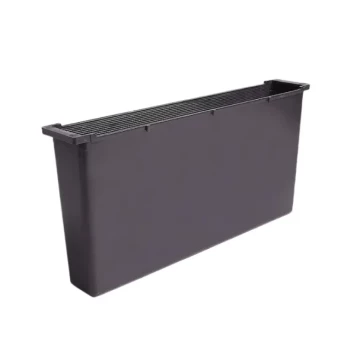
Specialized feeders are the cornerstone of precise apiary management. They facilitate effective artificial feeding by enabling the exact delivery of syrup or protein supplements, which eliminates the risks associated with messy, makeshift methods. By adopting these tools, beekeepers can maintain colony health scientifically rather than relying on guesswork.
The core value of specialized feeders lies in their ability to standardize nutrition; they prevent resource competition between colonies while ensuring bees are physically prepared for optimal foraging the moment the production season begins.
The Mechanics of Controlled Feeding
Achieving Precision Delivery
The primary function of a specialized feeder is to provide granular control over the colony's diet. Whether you are administering syrup or protein supplements, these devices allow you to measure and deliver exact quantities based on the specific needs of the hive.
Preventing Resource Competition
One of the most critical aspects of artificial feeding is the containment of the food source. Specialized feeders are engineered to prevent leakage.
When feed leaks outside the intended area, it can trigger "robbing behavior," where bees from other colonies attack to steal resources. Specialized hardware mitigates this risk entirely by keeping the supplement contained and accessible only to the target colony.
Strategic Colony Maintenance
Bridging Nutritional Gaps
Beekeepers must often intervene during "non-nectar flow periods," or dearths, when natural resources are scarce. Specialized feeders serve as the delivery system for this critical life support.
By using standardized hardware, you can scientifically maintain colony strength during these dormant phases. This ensures the population does not crash due to starvation or malnutrition when nature cannot provide enough food.
Optimizing Production Timing
The ultimate goal of maintenance is readiness. A colony that is well-fed during the off-season does not need to spend the early spring recovering.
Instead, these colonies possess optimal foraging activity right at the beginning of the production season. This allows the beekeeper to capitalize on early blooms immediately, rather than waiting for the bees to build up strength.
Common Pitfalls to Avoid
The Danger of Inferior Hardware
The primary trade-off in artificial feeding involves the quality of the equipment used. Attempting to feed without specialized hardware often leads to the leakage issues mentioned earlier.
If the equipment fails to contain the syrup or protein, you risk inciting aggressive competition between hives. This not only results in the loss of expensive feed but can also lead to the destruction of weaker colonies due to robbing.
Making the Right Choice for Your Goal
To maximize the effectiveness of your apiary, align your equipment choice with your specific management objectives.
- If your primary focus is Colony Security: Prioritize feeders that guarantee leak-proof delivery to eliminate the triggers for robbing behavior.
- If your primary focus is Production Yield: Use standardized hardware to maintain high population strength during dearths, ensuring immediate foraging capability when the season starts.
Investing in specialized feeding hardware turns nutrition from a guessing game into a controlled, scientific process.
Summary Table:
| Feature | Specialized Feeders | Makeshift Feeding Methods |
|---|---|---|
| Dose Control | Precise, measurable delivery | Inconsistent and messy |
| Robbing Prevention | Leak-proof design; contained access | High risk of attracting intruders |
| Colony Security | Minimizes stress and competition | Triggers aggressive hive behavior |
| Production Readiness | Optimizes bees for early foraging | Delayed buildup and weak populations |
| Resource Waste | Near zero waste of syrup/protein | High loss due to leakage and spoilage |
Maximize Your Apiary Productivity with HONESTBEE
At HONESTBEE, we empower commercial apiaries and distributors with the precision tools needed for modern beekeeping. From specialized leak-proof feeders that protect your colonies to industrial-grade honey-filling and hive-making machinery, our comprehensive wholesale portfolio is designed to scale your operations.
Ready to upgrade your equipment and secure your colony health? Contact us today to explore our full spectrum of professional hardware and consumables.
References
- Enrique Genaro Martínez-González, Jorge Aguilar Ávila. Dinámica de adopción de buenas prácticas de producción de miel en la península de Yucatán, México. DOI: 10.22319/rmcp.v9i1.4366
This article is also based on technical information from HonestBee Knowledge Base .
Related Products
- HONESTBEE Entrance Bee Feeder Professional Hive Nutrition Solution for Beekeeping
- HONESTBEE Entrance Bee Feeder Efficient Hive Front Liquid Feeding Solution for Beekeeping
- Professional In-Hive Bee Feeder HONESTBEE Frame for Beekeeping
- Boardman Entrance Bee Feeder Durable Galvanized Steel and Wood Construction for Beekeeping
- Professional Hive Top Bee Feeder for Beekeeping
People Also Ask
- What types of bee feeders are available for beginners? Start with the Simple Entrance Feeder
- What are the advantages and disadvantages of using an entrance feeder for bees? Balance Convenience and Hive Security.
- What is a bee entrance feeder and what are its drawbacks? Essential Guide to Hive Security and Feeding Efficiency
- How does a bee entrance feeder work? A Simple Guide to Convenient Hive Feeding
- How to make an entrance feeder for bees? A DIY Guide for Safe & Effective Feeding