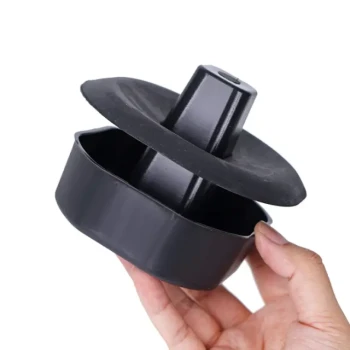
Industrial-grade hive stands serve as the primary defensive barrier between a honeybee colony and environmental hazards. In complex terrains like floodplains, their specific function is to elevate the hive body, ensuring isolation from rising ground moisture and protecting the colony from catastrophic flooding and ground-dwelling pests.
By providing a stable, elevated base, industrial hive stands are not just accessories but essential infrastructure for professional migratory beekeeping. They ensure colony survival by mitigating the risks of moisture, pests, and unstable terrain common in diverse geographical environments.
The Mechanics of Environmental Isolation
Prevention of Moisture Infiltration
Elevating the hive body is critical for breaking the contact path with damp soil. This isolation prevents ground moisture from seeping into the hive structure, which can compromise the colony's internal climate control.
Defense Against Catastrophic Flooding
In floodplains, water levels can rise unpredictably and rapidly. The physical elevation provided by an industrial stand ensures the colony remains above the water line, preventing immediate drowning of the brood and bees.
Mitigation of Ground-Dwelling Pests
Raising the hive creates a physical gap that separates the colony from the ground. This elevation acts as a deterrent against pests that travel along the soil, preventing them from easily accessing the hive entrance.
Strategic Utility in Migratory Beekeeping
Adaptability to Varied Terrains
Professional beekeepers often move colonies to diverse locations for pollination services or honey production. Industrial stands provide a consistent, stable interface regardless of whether the underlying ground is uneven, sandy, or rocky.
Stability During Extreme Weather
Beyond moisture control, these stands are designed to secure the hive against environmental physical forces. A stable base prevents the hive from tipping or shifting during storms, ensuring colony safety even when the ground becomes saturated or unstable.
Understanding the Trade-offs
Logistics and Transport
While industrial stands offer superior protection, they introduce logistical weight. Moving heavy-duty hardware requires robust transport capacity, which can complicate rapid deployment compared to lighter, less stable alternatives.
Investment vs. Risk
The cost of industrial-grade equipment is higher than improvised solutions. However, this upfront expense is a necessary insurance policy against the total loss of colonies in high-risk zones like floodplains.
Evaluating Hive Stand Requirements
When selecting equipment for your apiary, align your choice with your environmental risks.
- If your primary focus is stationary apiaries in dry, flat regions: You may prioritize lighter stands, provided they still offer basic separation from soil moisture.
- If your primary focus is migratory operations or flood-prone zones: You must prioritize industrial-grade elevation to safeguard assets against unpredictable water levels and terrain instability.
Ultimately, investing in proper elevation infrastructure is an investment in the long-term resilience and productivity of your apiary.
Summary Table:
| Feature | Function in Floodplains | Benefit to Beekeepers |
|---|---|---|
| Physical Elevation | Keeps hive body above rising water lines | Prevents colony drowning and asset loss |
| Moisture Barrier | Breaks contact path with damp soil | Maintains internal hive climate and wood integrity |
| Pest Deterrent | Creates a physical gap from the ground | Reduces infiltration by ground-dwelling pests |
| Structural Stability | Secures hives against uneven or soft terrain | Prevents tipping during storms or soil saturation |
Secure Your Commercial Apiary with HONESTBEE
Protect your investment from the unpredictable challenges of floodplains and complex terrains. HONESTBEE specializes in supporting commercial apiaries and distributors with high-performance industrial beekeeping infrastructure. From heavy-duty hive stands and hive-making machinery to honey-filling systems and essential consumables, we provide the full spectrum of equipment needed for professional-scale success.
Maximize your colony resilience and operational efficiency today.
Contact our team for wholesale solutions and expert equipment advice
References
- Don Keith. Native Forest Changes Affecting Apiculture and Crop Pollination. DOI: 10.5962/p.357866
This article is also based on technical information from HonestBee Knowledge Base .
Related Products
- Metal Hive Feet Bee Hive Stand for Ant Protection
- Professional Ant-Proof Beehive Stand with Integrated Moat for Beekeeping
- Plastic Bee Hive Stand for Beekeeping
- Metal Bee Hive Stand Bee Box Stand for Beekeeping
- Professional Grade Foldable Beehive Handles
People Also Ask
- What are the benefits of elevating a bee hive with a stand or base? Protect Your Colony and Your Back
- How does a beehive stand protect against predators and pests? Essential Strategies for Colony Security
- How should the height of a beehive stand be determined? Find Your Ergonomic Sweet Spot
- What to stand a beehive on? The Best Foundation for a Healthy, Manageable Apiary
- What is the best base for a beehive? Choose the Right Stand for Colony Health