The beehive entrance is far more than a simple doorway; it is the colony's primary control valve for environmental regulation, logistics, and security. While its most obvious function is permitting traffic, its critical technical roles include facilitating active thermoregulation, acting as a transfer station for resources, and serving as a defensible choke point against predators.
Core Insight: The entrance acts as a dynamic interface between the colony and the outside world, balancing the conflicting needs of high-volume airflow and resource intake against the necessity of heat retention and strict defense.
Environmental Regulation and Airflow
Active Thermoregulation
The entrance is the mechanism through which a colony actively manages its internal climate. Bees do not merely tolerate ambient temperatures; they utilize the entrance to create significant airflow throughout the hive.
This ventilation is essential for regulating the temperature of the brood nest. By fanning their wings at the entrance, bees can draw cool air in or exhaust hot air out to maintain optimal conditions.
Moisture Management
Beyond temperature, the entrance is critical for humidity control.
Excess moisture, particularly during winter, serves as a serious threat to colony survival. The entrance provides the necessary escape route for condensation and humid air, preventing cold water from dripping onto the cluster.
The Logistics of Resource Transfer
The Staging Area
The entrance functions as a bustling loading dock rather than a passive hallway.
It serves as a staging area for the transfer of vital resources. Here, forager bees hand off nectar, water, and propolis to house bees. This transfer system maximizes efficiency, allowing foragers to return to the field quickly while house bees process the incoming goods.
Defense and Security
The Defensive Choke Point
In terms of security, the entrance is the colony's first line of defense. By channeling all traffic through a specific point, it creates a defined, defensible area.
Guard bees station themselves here to intercept threats. This allows the colony to repel robbers (bees from other hives stealing honey), mice, and other predators that would otherwise devastate the hive's stores.
Exclusion of Pests
The physical dimensions of the entrance play a role in excluding larger pests.
When properly managed, the entrance size prevents the intrusion of animals like chipmunks and mice, which frequently attempt to enter hives during colder months to nest and consume resources.
Understanding the Trade-offs
Ventilation vs. Heat Retention
There is an inherent conflict between airflow and insulation. A large entrance maximizes ventilation for cooling and moisture removal but causes significant heat loss during cold months. Conversely, a small opening preserves heat but limits air exchange.
Traffic Efficiency vs. Defensibility
A wide entrance supports the heavy traffic of a strong colony during the honey flow, preventing congestion. However, a wide opening is difficult to defend.
A smaller colony or one under attack requires a reduced entrance. This narrows the "front line," allowing a small number of guards to effectively protect the colony against a larger force of intruders.
Managing the Entrance for Colony Goals
To maximize colony health, you must adjust the entrance based on the specific pressures the hive faces.
- If your primary focus is Winter Survival: Reduce the entrance size significantly to minimize heat loss and exclude mice while maintaining just enough gap for moisture ventilation.
- If your primary focus is Nectar Collection: Open the entrance fully during the peak season to eliminate traffic bottlenecks and allow maximum foraging efficiency.
- If your primary focus is Defense: Constrict the opening immediately if you spot signs of robbing or if the colony is weak, forcing intruders to face your guards one by one.
Ultimately, the entrance is a tool that must be adjusted to align the colony’s internal needs with the external season.
Summary Table:
| Function | Key Role | Benefit to Colony |
|---|---|---|
| Thermoregulation | Airflow Control | Maintains optimal brood nest temperature through fanning. |
| Moisture Management | Humidity Release | Prevents condensation buildup and winter dampness. |
| Logistics | Resource Transfer | Acts as a staging area for nectar and pollen hand-offs. |
| Security | Defensive Choke Point | Allows guard bees to protect against robbers and predators. |
| Pest Control | Physical Barrier | Excludes mice and larger pests when sized correctly. |
Maximize Your Apiary Productivity with HONESTBEE
Efficient hive management starts with the right equipment. At HONESTBEE, we specialize in supporting commercial apiaries and distributors with a comprehensive range of high-quality beekeeping tools, machinery, and essential consumables.
Whether you need precision hive-making machines to craft perfect entrances, honey-filling equipment for streamlined production, or specialized hardware to enhance colony defense, we have the wholesale solutions you need.
Ready to scale your operations? Contact us today to discover how our professional-grade equipment and industry expertise can drive your business forward.
Related Products
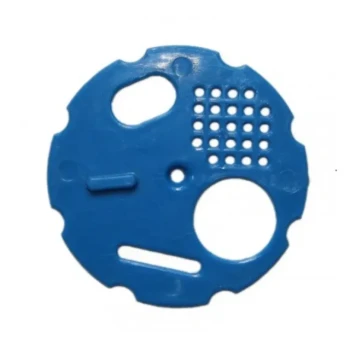
- Beehive Entrance Discs Plastic Bee Entrance Disc for Bee Hives
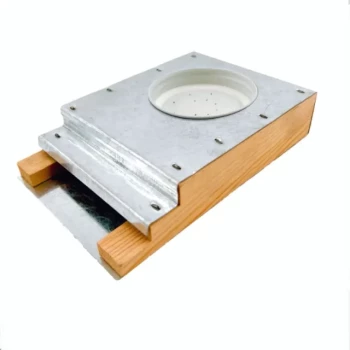
- Professional Reversible Beehive Hive Entrance
- Steel Round Disc Entrance Reducer for Flexzion Bee Hive Nuc Box Gate
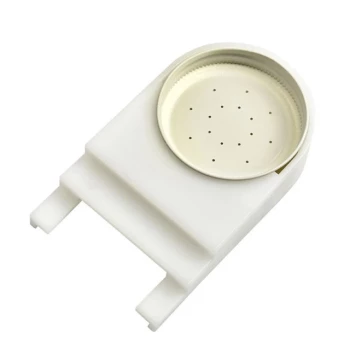
- Multi-Functional Sliding Hive Entrance for Beekeeping
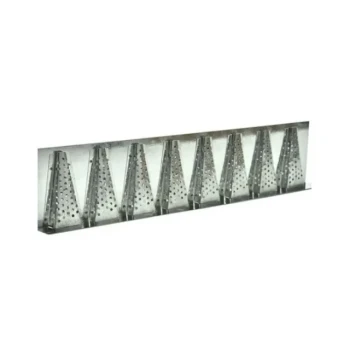
- Beehive Entrance Reducer Guardian Metal Hive Entrance for Bees
People Also Ask
- What is the best entrance for a bee hive? Maximize Colony Health & Honey Production
- What happens if you block the entrance to a bee hive? Avoid This Dangerous Mistake
- How does entrance configuration vary seasonally for beekeepers? A Guide to Year-Round Hive Health
- Why adjust beehive entrance size for humidity? Boost Honey Ripening and Varroa Control in Commercial Apiaries
- How big should a beehive entrance be? Optimize for Colony Health & Honey Production