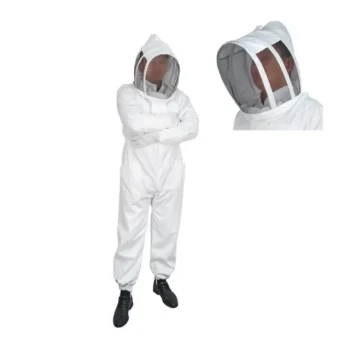
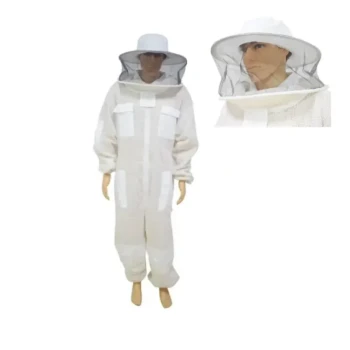
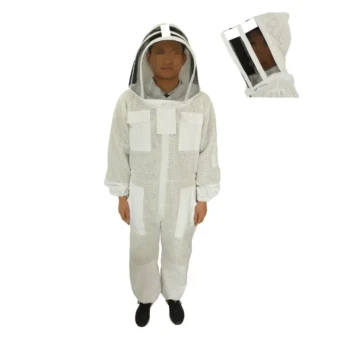
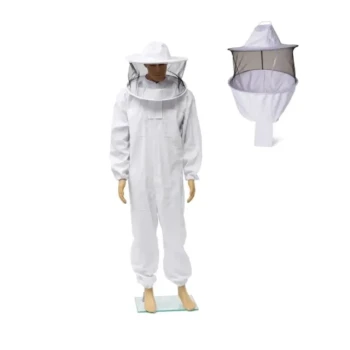
Harvesting honey without a bee suit presents immediate physical and logistical dangers. The primary risks include receiving a high volume of stings and becoming coated in sticky honey and wax, which turns the beekeeper into a literal target for the colony.
Core Takeaway: While the pain of stings is the most obvious deterrent, the critical technical risk is that exposure to honey and wax makes you an attractant. This complicates the workflow, stresses the colony, and increases the likelihood of a dangerous medical emergency.
The Physical and Health Implications
Exposure to Multiple Stings
The most direct consequence of foregoing protective gear is the lack of a barrier against defense mechanisms. During a harvest, bees are naturally defensive of their stores. Without a suit, you are exposed to numerous stings across your entire body.
Severe Allergic Reactions
Even individuals who have never shown signs of allergies can experience adverse effects from a high volume of venom. Systemic reactions becomes a significant risk when receiving multiple stings in a short period. For those with existing sensitivities, this exposure can be life-threatening.
The Logistical Nightmare: The "Sticky Factor"
Becoming a Bee Attractant
A unique risk highlighted by experienced apiarists is the inevitable mess of the harvest. Without a suit, you will get covered in honey and wax.
Complicating Hive Management
Once you are coated in these sticky substances, the bees perceive you as a food source or a compromised part of the hive. This attracts bees directly to your body.
Difficulty Removing Stores
When the beekeeper attracts the colony, it creates significant complications when trying to move honey stores away from the hive vicinity. You cannot effectively clear the area because the bees will follow the scent on your skin and clothing.
The Impact on the Apiary Environment
Unnecessary Stress on the Colony
Harvesting is already a disruption to the hive routine. The presence of an unsuited, likely agitated human increases the colony's defensive pheromones. This causes unnecessary stress to the bees, which can impact their health and recovery after the harvest.
Reduced Efficiency
Working without a suit often leads to a less productive experience. The fear of stings or the reaction to pain causes the beekeeper to move erratically or rush. This lack of calm deliberation results in a sloppy harvest and increased agitation among the bees.
Understanding the Trade-offs
The Illusion of Dexterity
Some beekeepers argue that working without gloves or a suit offers better dexterity and sensitivity. While technically true, this benefit is almost always negated during a harvest. The distraction of pain and the need to swat or dodge reduces your overall control.
Heat vs. Safety
Bee suits can be hot and uncomfortable in the summer sun. However, prioritizing thermal comfort over safety introduces the risk of a medical emergency. The trade-off for staying cool is often a frantic, dangerous exit from the apiary.
Making the Right Choice for Your Goal
Harvesting requires focus, calm, and safety. Your choice of gear dictates the success of the operation.
- If your primary focus is personal safety: Always wear a full suit and veil to prevent stings and minimize the risk of allergic reactions.
- If your primary focus is efficient harvesting: Wear protective gear to prevent "sticky attraction," allowing you to remove honey stores without bees swarming your body.
- If your primary focus is colony welfare: Use gear to remain calm, as your composure reduces stress on the bees and prevents defensive frenzies.
The most effective beekeeper is a protected one, capable of working the hive with confidence and steady hands.
Summary Table:
| Risk Category | Potential Impact | Description |
|---|---|---|
| Physical Health | Multiple Stings & Allergies | High venom exposure increases risk of systemic or life-threatening reactions. |
| Work Efficiency | The "Sticky Factor" | Honey and wax on skin turn the beekeeper into a food target, making hive management impossible. |
| Colony Welfare | Increased Stress | Agitated beekeepers trigger defensive pheromones, disrupting the hive's health and recovery. |
| Operational | Reduced Control | Pain and distraction lead to erratic movements, sloppy harvests, and potential equipment damage. |
Secure Your Apiary Success with HONESTBEE
Don't let the risks of honey harvesting compromise your safety or colony health. HONESTBEE specializes in supporting commercial apiaries and distributors with premium, heavy-duty beekeeping suits and professional-grade machinery designed for peak efficiency.
Whether you need advanced honey-filling machines to streamline your output or durable protective gear for your entire team, we provide the comprehensive wholesale solutions your business deserves. From specialized hardware to honey-themed merchandise, we empower you to scale with confidence.
Ready to upgrade your equipment? Contact us today for wholesale inquiries and experience the value of high-performance beekeeping tools.
Related Products
- Premium Cotton Beekeeper Suit with Reinforced Fencing Veil
- White Cotton Beekeeping Jacket and Veil for Bee Keepers
- Professional Beekeeping Suit for Kids and Girls Childrens Bee Keeper Suit
- Premium Three Layer Ventilated Bee Suit with Round Veil
- Beekeeping Jacket with Hood and Veil for Beekeepers
People Also Ask
- What material and design specifications are recommended for a high-quality beekeeper suit? Top Gear Selection Guide
- How to Pre-treat Propolis Stains on Beekeeping Suits? Master Advanced Fabric Care and Soil Removal
- What features should be considered for sting protection in a beekeeping suit? Ensure Total Safety and Comfort
- What are the differences between full suits and jackets with veils in beekeeping? Choose Your Best Protection
- What features should be looked for in a beekeeping suit for maximum comfort? Prioritize Ventilation and Fit