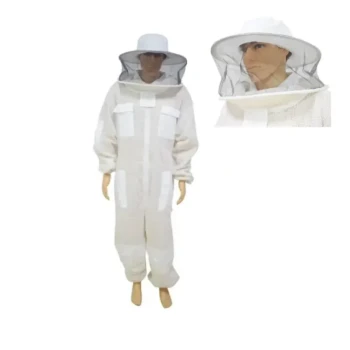
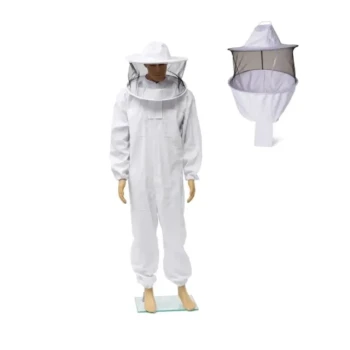
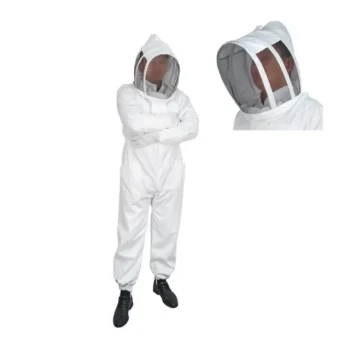
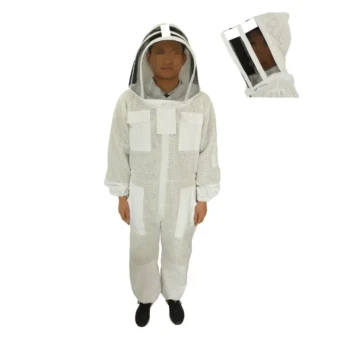
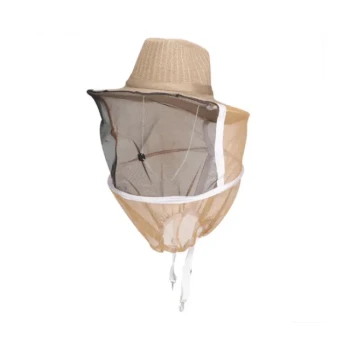
Foregoing a bee suit primarily exposes you to immediate physical harm through painful stings and potential allergic reactions. Beyond the obvious risk of injury, working without protection often creates a stressful environment for both the beekeeper and the colony, leading to rushed inspections and poor hive management.
The decision to work without a suit trades immediate physical safety for comfort, but it significantly increases the likelihood of venom exposure and disrupts the calm demeanor required for productive beekeeping.
The Physical and Health Implications
Exposure to Venom and Allergic Reactions
The most direct risk of not wearing a bee suit is the lack of a physical barrier against stings. Without thick fabric to intercept the stingers, you are fully exposed to painful injection of venom.
For individuals with high sensitivity, this exposure creates serious health risks. Even those without a history of allergies can develop reactions over time due to repeated exposure.
Decreased Enjoyment and Confidence
Beekeeping requires a steady hand and a calm mindset. The constant threat of being stung when unprotected can create anxiety.
This fear often results in a less enjoyable experience, turning a fascinating hobby into a source of apprehension.
Impact on Hive Management
Behavioral Stress on the Colony
Bees react to the demeanor of the beekeeper. If you are unprotected and react to a stray bee by flinching or moving erratically, you trigger the colony's defensive instincts.
This creates a feedback loop where your stress causes unnecessary stress to the bees, making them more aggressive and harder to manage.
Reduced Productivity
When a beekeeper is worried about getting stung, they may rush through the hive inspection. Thorough checks for queens, diseases, or comb issues may be skipped to finish quickly.
This lack of focus can result in a less productive apiary, as critical management tasks are performed poorly or neglected entirely.
Understanding the Trade-offs of Protection
While the risks of not wearing a suit are clear, it is important to understand why some beekeepers might hesitate to wear one. The supplementary data highlights the functional trade-offs of full protection.
The Challenge of Overheating
A full body suit adds a second layer of clothing that can be hot and restrictive. In summer months, this lack of ventilation can lead to overheating, which is a safety risk in its own right.
Visibility and Mobility Issues
Protective veils can obscure your vision, making it harder to spot eggs or young larvae. Furthermore, full suits can be restrictive when bending over, making the physical labor of lifting boxes more difficult.
Equipment Failure Risks
Simply wearing a suit is not a guarantee of safety if used incorrectly. Common mistakes include wearing a suit that is too tight, which stretches the fabric and allows stingers to penetrate.
Additionally, failing to inspect for holes or improperly securing closures renders the suit useless, providing a false sense of security while leaving gaps for bees to enter.
Making the Right Choice for Your Goal
To balance safety with the practical realities of beekeeping, consider your specific needs.
- If your primary focus is maximum safety: Prioritize a full-body suit to eliminate sting risks, but ensure it is sized loosely to prevent fabric stretching.
- If your primary focus is comfort and mobility: Consider the trade-off of using a jacket or veil, acknowledging that while you reduce heat and cost, you leave your lower body exposed to stings.
Ultimately, protective gear is an essential tool that ensures your safety allows you to focus entirely on the welfare of your bees.
Summary Table:
| Risk Factor | Impact of Not Wearing a Suit | Benefit of Wearing a Suit |
|---|---|---|
| Physical Safety | High risk of painful stings and venom exposure | Reliable barrier against stings and allergic reactions |
| Colony Stress | Erratic movements trigger bee aggression | Promotes calm demeanor and stable colony behavior |
| Inspection Quality | Rushed inspections lead to missed diseases/pests | Enables thorough, focused hive management |
| Confidence | Anxiety and fear reduce beekeeping enjoyment | Increased confidence and better handling experience |
Secure Your Apiary Success with HONESTBEE
Don't let the risk of stings compromise your productivity or the health of your colony. HONESTBEE provides commercial apiaries and distributors with premium, heavy-duty beekeeping suits designed for maximum protection and breathability.
Beyond protective apparel, we offer a comprehensive wholesale range including:
- High-Efficiency Machinery: Hive-making and honey-filling machines.
- Professional Tools: Full spectrum of beekeeping hardware and consumables.
- Cultural Merchandise: Unique honey-themed retail products.
Contact our expert team today to equip your operation with industry-leading gear and enhance your beekeeping efficiency!
Related Products
- Premium Three Layer Ventilated Bee Suit with Round Veil
- Professional Cotton Beekeeper Suit with Round Veil Design for Commercial Apiaries
- Premium Cotton Beekeeper Suit with Reinforced Fencing Veil
- Professional Beekeeper Suit with Square Folding Cotton Veil
- Professional Beekeeping Suit for Kids and Girls Childrens Bee Keeper Suit
People Also Ask
- What are the features of a ventilated bee suit? Stay Cool and Protected in Hot Weather
- What is the function of professional protective consumables? Scale Your Apiary with Ventilated Bee Suits
- What should be considered when purchasing a ventilated bee suit? Ensure Maximum Safety and Comfort
- What is the advantage of ventilated bee suits over traditional ones? Stay Cool and Protected with Mesh Technology
- What materials are used in ventilated bee suits? Choose Between 3-Layer Mesh & Foam for Optimal Protection