In organic honey production, dedicated feeding systems and physical bee removal equipment function as the primary defense against chemical contamination. These tools specifically replace the need for synthetic agents and antibiotics, allowing beekeepers to maintain colony health and harvest honey while strictly adhering to the zero-tolerance policy for residues found in organic certification standards.
Core Takeaway These specialized tools serve as a "technical barrier" that physically enforces the isolation required by organic agriculture. By substituting chemical efficiency with mechanical precision, they ensure the honey remains free of pollutants, preserving its organic value and eligibility for premium market certification.
The Critical Role of Dedicated Feeding Systems
Eliminating Antibiotic Reliance
The primary function of a dedicated organic feeding system is to support colony strength without the use of pharmaceuticals.
Unlike conventional systems that may deliver prophylactic antibiotics, organic feeders are designed solely for pure nutritional support.
preventing Cross-Contamination
"Dedicated" implies that this equipment is never used in conventional apiaries where synthetic chemicals are present.
Using exclusive equipment eliminates the risk of residual drugs leaching from plastic feeders or tanks into the organic hive, creating a closed, contaminant-free loop.
Maintaining Colony Vigor Naturally
These systems allow the beekeeper to bolster hive population and energy levels during nectar dearths using only approved organic feeds.
This ensures the bees remain robust enough to resist pests and diseases naturally, removing the temptation or need for chemical intervention.
The Function of Physical Bee Removal Equipment
Replacing Chemical Repellents
In conventional beekeeping, chemical fume boards are often used to drive bees out of honey supers quickly.
Physical removal equipment, such as bee blowers or bee escapes, serves as a mechanical alternative to these chemicals. This ensures that the honey harvesting process introduces absolutely no foreign chemical agents into the comb.
Utilizing Mechanical Separation
Bee escapes function as one-way doors, using the bees' natural movement to clear the supers over a period of 24 to 48 hours.
Bee blowers use high-velocity air to physically dislodge bees from the frames immediately.
Both methods achieve the goal of separating the producer (the bee) from the product (the honey) without chemical interaction.
Understanding the Trade-offs
Increased Labor and Time
Physical removal methods are generally more labor-intensive than chemical alternatives.
Bee escapes require two trips to the apiary (one to install, one to harvest), and blowers require manual handling of every super, increasing the physical workload for the beekeeper.
Stress Management
While free of chemicals, physical removal—particularly the use of blowers—can be stressful for the colony if not handled correctly.
Operators must balance the need for chemical-free harvesting with the need to minimize physical stress on the bees, which aligns with the broader organic principle of animal welfare.
Making the Right Choice for Your Goal
To successfully implement these systems, you must align your equipment choices with your operational priorities.
- If your primary focus is strict compliance: Prioritize dedicated feeding hardware that is color-coded or labeled to prevent accidental mixing with conventional gear.
- If your primary focus is efficiency without chemicals: Invest in high-quality bee blowers for rapid harvesting, but ensure staff are trained to use them gently to minimize colony agitation.
- If your primary focus is minimizing bee stress: Utilize bee escapes for removal, accepting the trade-off of requiring an additional trip to the apiary.
The integrity of organic honey is not just defined by what is in the jar, but by the mechanical purity of the process that filled it.
Summary Table:
| Equipment Type | Primary Function | Organic Benefit | Operational Trade-off |
|---|---|---|---|
| Dedicated Feeders | Nutritional support without antibiotics | Eliminates chemical cross-contamination | Requires exclusive hardware management |
| Bee Escapes | One-way physical bee clearing | Zero-chemical harvest, low bee stress | Requires two apiary visits (24-48h) |
| Bee Blowers | High-velocity air displacement | Rapid, chemical-free honey super clearing | High manual labor; potential colony stress |
Elevate Your Organic Apiary with HONESTBEE
Maintaining the integrity of organic honey requires precision-engineered tools that eliminate the need for chemical intervention. At HONESTBEE, we specialize in supporting commercial apiaries and distributors with a comprehensive range of high-quality beekeeping machinery and essential consumables.
From specialized hive-making and honey-filling machines to advanced physical bee removal equipment, our wholesale solutions are designed to help you meet strict organic certification standards while optimizing operational efficiency.
Ready to scale your organic production? Contact us today to discover how our professional beekeeping equipment can add value to your business.
References
- Karen Tonantzi Ramírez Mijangos, Jorge Gustavo Ocampo Ledesma. Viabilidad económica y financiera de la producción de miel en Oaxaca. DOI: 10.15359/prne.21-42.2
This article is also based on technical information from HonestBee Knowledge Base .
Related Products
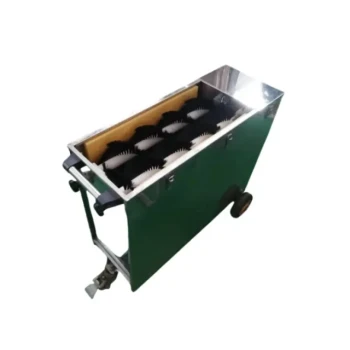
- Commercial Grade Vertical Electric Bee Sweeper for Bee Removal
- High Performance Cordless Electric Bee Shaker for Beekeeping
- Stainless Steel Scraper for Metal Queen Bee Excluders
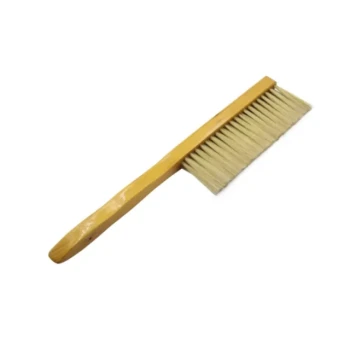
- Wooden Bee Brush with Triple Row Artificial Fiber for Beekeeping
- Professional Multi-Function Stainless Steel Hive Tool
People Also Ask
- What are the advantages of using professional bee sweepers? Boost Honey Harvesting Efficiency and Protect Your Hive
- How do standardized frames and professional bee-sweeping equipment contribute to apiary efficiency? Scale Your Harvest
- What are the benefits of using professional bee removal equipment during honey harvesting? Boost Purity and Efficiency
- What techniques and tools are used to clear bees from supers during honey harvesting? Efficient Solutions for Every Apiary
- What is the significance of specialized bee management vs wild harvesting? Unlock High-Purity Yields