The industrial detergent soap wash offers superior technical precision for Varroa mite detection by chemically altering the water's properties to ensure complete sample coverage. While the powdered sugar method relies on physical abrasion to dislodge mites, the soap wash utilizes surfactants to reduce surface tension, allowing the solution to penetrate deep into the bee’s crevices where mites often hide.
Core Insight: The primary technical advantage of the soap wash is environmental stability. Unlike powdered sugar, which becomes unreliable in humid conditions due to clumping, industrial detergent provides consistent, high-accuracy quantitative data regardless of the ambient weather.
The Mechanics of Mite Detachment
Breaking Surface Tension
The efficacy of the soap wash lies in its ability to reduce the surface tension of water.
By using industrial-grade detergents, the solution ceases to bead up and instead fully wets the exoskeleton of the honey bee. This ensures that the washing agent covers 100% of the sample surface area.
Deep Crevice Penetration
Varroa mites are adept at hiding between the abdominal segments of bees.
Because the soap solution has low surface tension, it can penetrate these tight crevices to dislodge mites that a dry method might miss. This results in a more thorough separation of the parasite from the host.
Environmental Stability and Consistency
Eliminating the Humidity Variable
Powdered sugar is hygroscopic, meaning it absorbs moisture from the air.
In humid climates, powdered sugar is prone to clumping, which prevents the fine particles from effectively coating the bees or disrupting the mites' adhesive pads. This leads to false negatives or artificially low mite counts.
Standardized Quantitative Results
For laboratory screening and statistical analysis, consistency is paramount.
The soap wash provides a stable medium that yields precise quantitative results every time. Because it is not affected by atmospheric moisture, it is the preferred standard for high-accuracy screening where data integrity is critical.
Understanding the Trade-offs
Lethality vs. Survival
It is critical to acknowledge that the soap wash is a destructive testing method.
While the soap wash offers higher counting accuracy, it results in the death of the bee sample. In contrast, the powdered sugar method acts as a non-destructive physical abrasive, allowing the bees to be returned to the colony alive.
Complexity of Application
The soap wash requires managing liquid solutions and containers, which can be cumbersome in the field.
The powdered sugar method is often faster and requires less equipment, making it convenient for quick field checks where approximate estimates are acceptable, whereas soap is reserved for when precision outweighs convenience.
Making the Right Choice for Your Goal
- If your primary focus is precise data collection: Choose the soap wash method to ensure total mite removal and consistent results regardless of humidity.
- If your primary focus is colony preservation: Choose the powdered sugar method to assess infestation levels without killing the sample bees.
Select the method that aligns with your tolerance for sample loss versus your need for statistical accuracy.
Summary Table:
| Feature | Industrial Soap Wash | Powdered Sugar Method |
|---|---|---|
| Detection Accuracy | High (Deep crevice penetration) | Moderate (Surface level only) |
| Climate Sensitivity | Stable (Works in all weather) | Unreliable in high humidity |
| Mechanism | Chemical surfactant action | Physical abrasion |
| Sample Impact | Destructive (Bees are killed) | Non-destructive |
| Primary Use Case | Laboratory/High-precision data | Quick field assessments |
Maximize Your Apiary Productivity with HONESTBEE
At HONESTBEE, we understand that precision in pest management is the foundation of a successful commercial operation. As a dedicated partner to commercial apiaries and distributors, we provide more than just tools—we provide the competitive edge you need through our comprehensive wholesale offering.
From advanced beekeeping machinery and hive-making equipment to essential consumables and honey-themed cultural merchandise, we equip you with everything required to scale your business efficiently. Our premium solutions are designed to ensure your operations remain productive and profitable in any environment.
Ready to elevate your beekeeping standards? Contact us today to explore our full spectrum of specialized hardware and bulk equipment tailored for the industry's leaders.
References
- Shuai Wang, Vincent Dietemann. Reproduction of ectoparasitic mites in a coevolved system: <i>Varroa</i> spp.—Eastern honey bees, <i>Apis cerana</i>. DOI: 10.1002/ece3.7038
This article is also based on technical information from HonestBee Knowledge Base .
Related Products
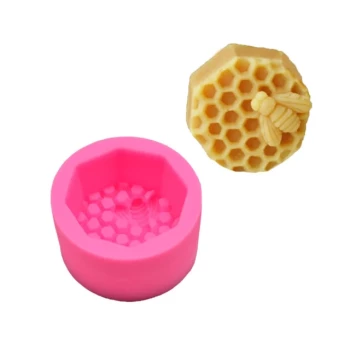
- Hexagonal Bee Honeycomb Silicone Soap Mold by HONESTBEE
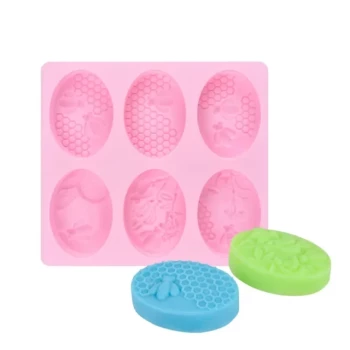
- Premium 6-Cavity Bee and Floral Themed Silicone Soap Mold
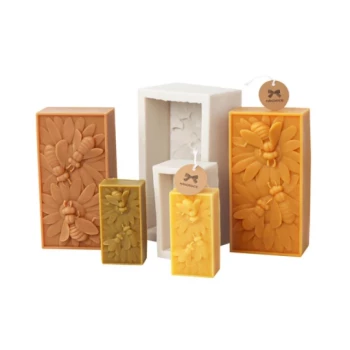
- Bee Floral Relief Silicone Mold for Artisan Soap Candle Making
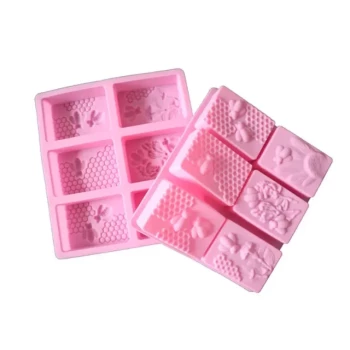
- 6-Cavity Bee Floral Themed Silicone Soap Mold for Handmade Soap Making
People Also Ask
- What are the advantages of silicone molds for queen cell cups? Upgrade Your Queen Rearing Precision
- What should be considered when selecting combs of honey for extraction? | Key Steps for Quality Honey
- What do bees use combs for? The Hive's Essential Pantry and Nursery
- How are Honeycombs utilized as a standardized testing platform in the assessment of honeybee hygienic cleaning? Guide
- How does removing entire honeycombs impact Varroa mites? Master Mechanical Mite Control for Healthier Hives