Honey strainers are essential tools for beekeepers, ensuring the purity and quality of honey during extraction and storage. Our product range includes stainless steel double-layer strainers, nylon filter bags, and stainless steel storage tanks with built-in strainers. Each product is designed for durability, ease of cleaning, and efficient honey filtration. Whether you're a hobbyist or a professional beekeeper, our honey strainers cater to all your needs, ensuring smooth and efficient honey processing.
Toggle Categories
Get Instant Support
Choose your preferred way to connect with our team
-
Get Free Quote Fill out form for detailed pricing
-
Send Email Detailed inquiry support
-
WhatsApp Quick mobile chat
Response Time
Within 8 hours on working days, 24 hours on holidays
honey strainer

10L Stainless Steel Honey Wax Press Extractor for Wax Cappings
Item Number: HWP-1

Stainless Steel Honey Press Wax Press with Tank
Item Number: HWP-4

10L Stainless Steel Electric Honey Press Machine
Item Number: HWP-6

Economy Small Scale Honey Dryer Dehumidifier Thickening Machine
Item Number: HD-2

Stainless Steel Double Layer Honey Strainer Sieve Filters
Item Number: HS-1


Stainless Steel Honey Storage and Settling Tank with Double Strainer
Item Number: HST-2
Why Choose Our Honey Strainers?
Our honey strainers are crafted with precision and care, ensuring that every drop of honey is pure and free from impurities. Here’s a detailed look at what makes our products stand out:
Key Features and Principles
-
Stainless Steel Double Layer Honey Strainer Sieve Filters: These strainers are made from high-quality stainless steel, offering durability and resistance to corrosion. The double-layer design ensures thorough filtration, removing even the smallest particles from your honey.
-
Conical Nylon Honey Strainer Filter Bag: Made from durable nylon, this strainer features a 160-mesh filter for fine filtration. The conical design allows for efficient honey extraction, making it ideal for all beekeeping operations.
-
Stainless Steel Honey Storage and Settling Tank with Double Strainer: These tanks are perfect for both storage and filtration. The double-layer strainers ensure that your honey remains pure, while the 25L-80L capacity makes them suitable for various beekeeping needs.
-
10L Stainless Steel Automatic Electric Honey Press Machine: This machine is designed for efficient honey extraction from wax. Its automatic operation and easy-to-clean components make it a favorite among beekeepers.
-
10L Stainless Steel Honey Wax Press Extractor: This extractor is perfect for recovering honey from uncappings and burr comb. Its ergonomic design and food-grade stainless steel construction ensure durability and efficiency.
Advantages of Our Honey Strainers
-
Efficiency: Our honey strainers are designed to maximize honey yield while minimizing wastage. They are particularly beneficial for beekeepers with smaller operations or those just starting out.
-
Durability: Made from high-quality materials like stainless steel and nylon, our strainers are built to last. They are resistant to wear and tear, ensuring long-term use.
-
Ease of Cleaning: All our honey strainers are easy to clean, making maintenance a breeze. This ensures that your equipment remains hygienic and ready for the next use.
-
Versatility: Whether you need a simple filter or a complete storage solution, our range of honey strainers caters to all your beekeeping needs.
Customizable Solutions
We understand that every beekeeper has unique needs. That’s why we offer customizable solutions to meet your specific requirements. Our team of experts is always ready to assist you in selecting the right products for your operations.
Call to Action
Ready to enhance your honey extraction process? Contact us today to learn more about our honey strainers and how they can benefit your beekeeping operations. Our team is here to provide you with professional advice and customized solutions tailored to your needs. Don’t hesitate to reach out—let’s work together to ensure the purity and quality of your honey!
FAQ
What Is The Principle Of A Honey Strainer?
A honey strainer works by filtering honey to remove impurities such as wax and debris. The process involves passing honey through a fine mesh or sieve, ensuring the final product is pure and ready for consumption or packaging.
What Are The Advantages Of Using A Honey Strainer?
Honey strainers are efficient and effective in ensuring the purity of honey by removing impurities. They are ideal for beekeepers of all scales, from small operations to larger setups. Additionally, honey strainers are easy to clean, durable, and can significantly improve the quality of the honey produced.
What Are The Main Types Of Honey Strainers Available?
The main types of honey strainers include stainless steel double-layer strainers, conical nylon filter bags, and stainless steel storage tanks with built-in strainers. Each type is designed to cater to different beekeeping needs, ensuring efficient filtration and storage of honey.
What Are The Applications Of A Honey Strainer?
Honey strainers are primarily used in beekeeping to filter honey, removing wax and other impurities. They are essential for producing pure honey, which can be directly consumed or further processed for packaging. Honey strainers are also used in the recovery of honey from uncappings and other materials, enhancing overall honey yield.
REQUEST A QUOTE
Our professional team will reply to you within one business day. Please feel free to contact us!
Related Articles
How Manual Tablet Presses Boost Hive Productivity with Pure Beeswax Sheets
Discover how manual tablet presses enhance hive productivity with pure beeswax sheets, boosting honey yield and colony health sustainably.
Read more
How to Choose Between Roller and Press Systems for Perfect Beeswax Sheets
Compare roller vs. press systems for beeswax sheets—ideal for candle making or cosmetics. Learn speed, cost & quality trade-offs for commercial production.
Read more
Why Honey Crystallizes Differently—And How to Manage It Naturally
Learn why honey crystallizes differently based on sugar composition and floral source, plus natural storage and decrystallization tips.
Read more
Scaling Honey Production: Industrial Pressing vs Traditional Extraction for Commercial Apiaries
Compare industrial honey presses vs traditional extraction for commercial apiaries. Boost efficiency, reduce labor costs, and maintain quality at scale.
Read more
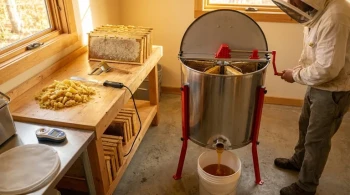
How to Optimize Honey Extraction Without Compromising Quality
Learn field-tested honey extraction methods to maximize yield while preserving quality, from uncapping tools to filtration and bottling.
Read more
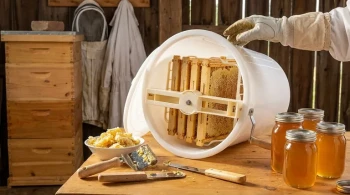
How to Extract Honey Safely Without Damaging Equipment or Hives
Professional honey extraction techniques to maximize yield while protecting combs and hive health. Learn damage-free harvesting and sustainable hive management.
Read more
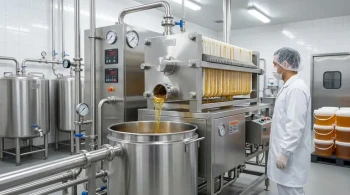
How Professional Honey Filtration Preserves Quality While Meeting Food Safety Standards
Learn professional honey filtration techniques that preserve quality while meeting food safety standards for commercial beekeepers.
Read more
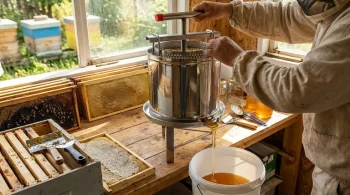
How Honey Screw Presses Solve Hygiene, Durability, and Efficiency Challenges for Small Beekeepers
Modern honey screw presses enhance hygiene, durability & efficiency for small beekeepers with stainless steel designs and space-saving features.
Read more
How to Manage Honey Crystallization Without Compromising Quality
Learn how to manage honey crystallization naturally while preserving quality. Discover safe decrystallization methods and storage tips for beekeepers.
Read more
How Small Bag Honey Packaging Machines Solve Industry-Specific Challenges
Specialized small bag honey packaging machines ensure quality, efficiency, and scalability for modern honey producers. Learn how they solve industry challenges.
Read more
How Honey Filtration Technology Impacts Compliance and Market Value
Learn how modern honey filtration technology ensures compliance, preserves quality, and boosts market value for commercial producers.
Read more
How Advanced Honey Packaging Preserves Quality & Maximizes Profits for Beekeepers
Discover how advanced honey packaging preserves quality, prevents waste, and boosts profits for beekeepers with insulated barrels and precision tech.
Read more
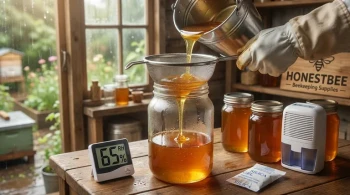
How Humidity Alters Honey’s Flavor and Practical Ways to Preserve It
Learn how humidity affects honey's flavor and discover practical storage solutions to preserve its quality for beekeepers and enthusiasts.
Read more
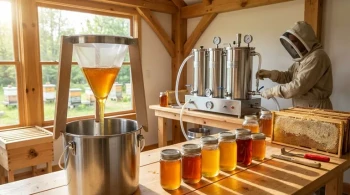
How to Choose the Right Honey Filter for Your Beekeeping Operation
Learn how to choose the right honey filter for beekeeping—compare mesh vs. multi-stage filters for purity, efficiency, and cost.
Read more
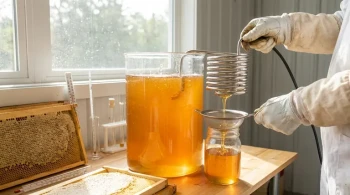
How Honey Filtration Machines Preserve Natural Quality and Boost Beekeeper Profits
Learn how honey filtration machines preserve enzymes and boost profits by maintaining raw honey's natural quality without heat damage.
Read more
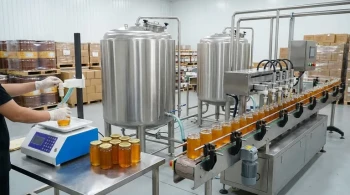
How to Choose Between Semi-Automatic and Automatic Honey Fillers for Optimal ROI
Compare semi-automatic vs. automatic honey fillers for ROI: production scale, cost savings, and scalability guide for apiaries.
Read more
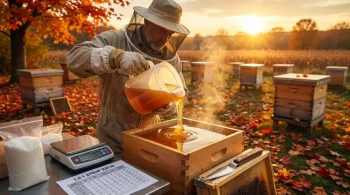
How to Optimize Autumn Syrup for Stronger Hives and Higher Honey Yields
Optimize autumn syrup with 1.6:1 sugar ratio for stronger hives, faster curing, and higher winter survival rates. Essential beekeeping tips inside.
Read more
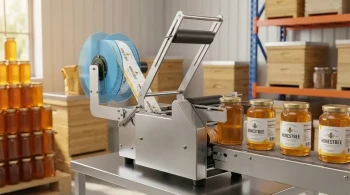
Why Your Honey Labels Undermine Your Brand—And How to Fix It Permanently
Struggling with crooked, inconsistent honey labels? Discover the real reason it happens and how automation can protect your brand, cut costs, and scale production.
Read more
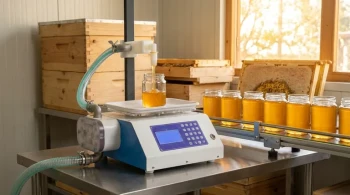
Why Your Honey Bottles Look Inconsistent on the Shelf—And Why the Fix Isn't What You Think
Struggling with uneven honey fill levels? Discover the surprising reason it's not your filler's fault and how fill-to-level technology ensures perfect shelf appeal.
Read more
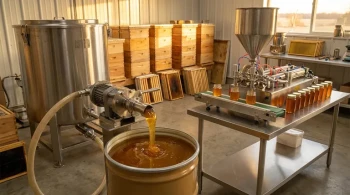
Transfer vs. Bottle: The Critical Honey Pump Mistake Costing Your Apiary
Stop damaging your honey and wasting time. Learn the difference between transfer pumps and bottling machines to boost efficiency and protect your product quality.
Read more