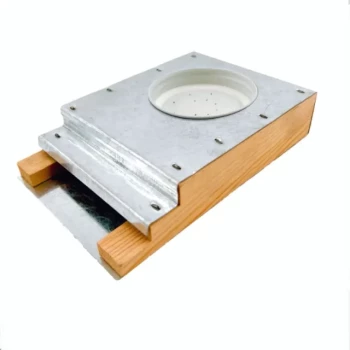
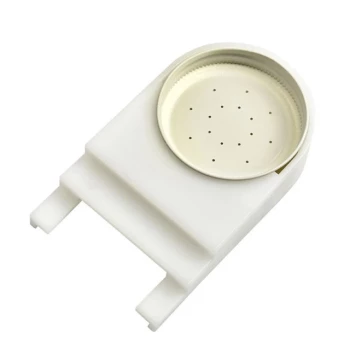
Top feeders serve as the premier solution for autumn feeding because they maximize caloric uptake while strictly controlling hive security. By placing nutrition directly above the colony's inner cover, these feeders facilitate rapid storage of winter reserves without triggering the robbing frenzies common during the late-season nectar dearth.
Top feeders bridge the gap between resource availability and colony security. They allow beekeepers to deliver high volumes of concentrated syrup internally, ensuring the development of winter bees while protecting the hive from external threats and cold temperatures.
Mitigating the Risk of Robbing
The Danger of the Autumn Dearth
In late autumn, natural forage is scarce, making colonies desperate and aggressive. Open feeding or entrance feeders release the scent of syrup externally, inviting wasps and robber bees from other strong colonies to attack.
Internalizing the Food Source
Top feeders are fully enclosed within the hive components, sitting securely above the inner cover. This placement keeps the scent of the syrup contained inside the hive, preventing it from wafting out and attracting predators.
Strategic Defense
Because the food is located at the very top of the stack, any intruder must bypass the entire colony's defense system to reach it. This effectively nullifies the risk of weak colonies being overrun while trying to feed.
Optimizing Feed Intake and Biology
Leveraging Hive Thermodynamics
Heat naturally rises within the hive structure. By positioning the feeder at the top, the syrup remains slightly warmer than it would in an external or side feeder.
Accessibility During Cold Snaps
As temperatures drop, bees cluster to conserve heat and become reluctant to break formation to forage. Top feeders allow the cluster to access food directly through the inner cover hole without exposing themselves to the freezing ambient air.
Supporting Winter Bee Development
The supplementary references indicate that consistent nutrition is critical for the queen's late-season egg-laying. The ease of access provided by top feeders ensures the colony has the energy required to rear the "winter bees" necessary for surviving until spring.
Understanding the Trade-offs
The Risk of Thermal Loss
While top feeders benefit from rising heat, the syrup itself is a large thermal mass. If the weather turns freezing rapidly, a large volume of cold syrup above the cluster can act as a heat sink, potentially chilling the colony if not insulated.
Mold and Dampness
Because these feeders hold large volumes of liquid, they can contribute to condensation issues if ventilation is poor. Beekeepers must monitor for mold growth, which can contaminate the feed and harm the colony.
Making the Right Choice for Your Goal
To maximize the effectiveness of your autumn feeding strategy, align your equipment choice with your specific colony needs:
- If your primary focus is rapid weight gain: Use a top feeder to deliver large volumes of heavy syrup (2:1 ratio) quickly before the first hard freeze.
- If your primary focus is feeding during marginal weather: Rely on top feeders to ensure bees can access food without breaking their thermal cluster or leaving the hive.
By centralizing food access and securing the perimeter, top feeders provide the technical edge required to successfully overwinter a colony.
Summary Table:
| Benefit Category | Technical Advantage | Impact on Colony Survival |
|---|---|---|
| Security | Internal containment of syrup scent | Eliminates robbing frenzies and predator attraction |
| Thermodynamics | Leverages rising hive heat | Keeps syrup accessible during cold snaps/clustering |
| Logistics | Large volume capacity (2:1 syrup) | Facilitates rapid weight gain before the first hard freeze |
| Biology | Immediate cluster access | Supports late-season queen laying and winter bee rearing |
Elevate Your Beekeeping Operation with HONESTBEE
As a dedicated partner to commercial apiaries and distributors, HONESTBEE understands that efficient autumn feeding is the cornerstone of overwintering success. We provide a comprehensive wholesale range of professional-grade beekeeping tools, from high-capacity top feeders and specialized hive-making machinery to honey-filling equipment and industry consumables.
Whether you are scaling a commercial operation or stocking a distribution network, our portfolio is designed to enhance your efficiency and protect your colonies. Maximize your winter survival rates today.
Contact HONESTBEE for Wholesale Solutions
Related Products
- Professional Hive Top Bee Feeder for Beekeeping
- HONESTBEE Round Hive Top Bee Feeder for Syrup
- HONESTBEE Professional Hive Top Bee Feeder Feeding Solution
- HONESTBEE Square Top Hive Bee Feeder Top Bee Feeder
- Rapid Bee Feeder White Plastic 2L Round Top Feeder for 8 or 10-Frame Bee Hives
People Also Ask
- Do I need an inner cover with a hive top feeder? Optimize Your Hive Setup for Healthy Bees
- What is a hive top feeder? A Guide to Efficient, Low-Stress Beekeeping
- What is a hive top feeder, and how does it work? A Complete Guide to Efficient In-Hive Feeding
- What are the characteristics, advantages, and disadvantages of hive top feeders? Optimize Your High-Volume Feeding
- How does a hive top feeder work? Optimize Your Apiary's Nutrition and Security