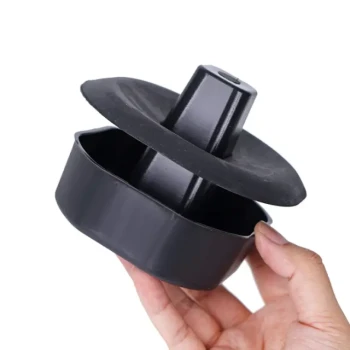
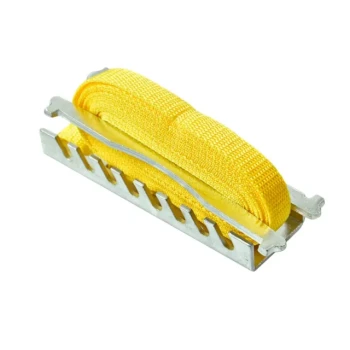
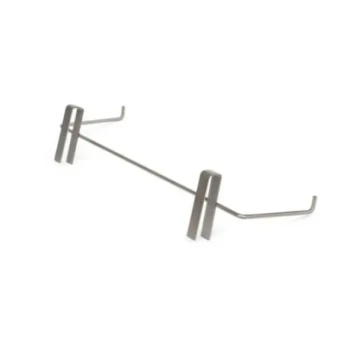
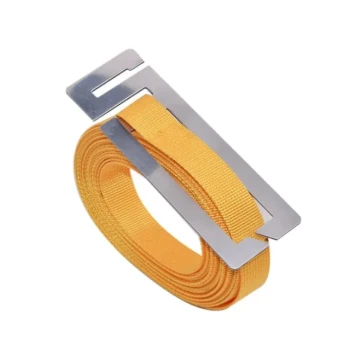
High-specification Hive Stands serve as a critical structural interface between the apiary floor and the biological colony. Their primary technical function is to mechanically elevate the hive, decoupling it from ground-level moisture to prevent wood rot and fungal growth. Simultaneously, they function as a physical exclusion zone, securing the hive against infiltration by ants, rodents, and other ground-based predators.
Core Insight Implementing high-specification stands is a strategic intervention to stabilize the colony's physical micro-environment. By eliminating direct ground contact, you mitigate the two most persistent threats to static apiary structures: moisture absorption and opportunistic predation.
Managing Moisture and Structural Integrity
The longevity of a wooden hive is directly correlated to its isolation from soil hydrology. High-specification stands are engineered to break the capillary action that draws moisture into the hive.
Decoupling from Soil Moisture
Ground contact allows moisture to seep directly into the porous wood of the bottom board.
High-specification stands elevate the hive, creating an air gap that halts this absorption process immediately.
Mitigating Fungal Proliferation
Excess moisture at the base of a hive creates an ideal environment for mold spores to germinate.
By keeping the base dry, these stands reduce the biological load on the colony, preventing mold growth that compromises air quality and hive hygiene.
Preventing Material Degradation
Wood rot is the inevitable result of sustained moisture exposure.
Elevation prevents water saturation, preserving the structural integrity of the hive components and significantly extending the service life of your equipment.
Biosecurity and Predator Defense
Beyond moisture control, the hive stand acts as the first line of defense in the apiary's security architecture. It converts the hive from an accessible ground target into a fortified position.
The Anti-Ant Barrier
Ants are persistent scavengers that can overwhelm a weak colony.
A high-specification stand restricts access points, serving as a bottleneck that prevents ants from easily trailing into the hive structure.
Exclusion of Rodents
Small rodents seek warmth and shelter, often damaging comb and equipment in the process.
Elevating the hive removes it from the immediate foraging path of mice and rats, acting as a physical deterrent against nesting.
Defense Against Ground Predators
Larger ground predators pose a threat to both the bees and the physical hive structure.
The stand creates a vertical separation that complicates access for these predators, ensuring the colony remains secure within its micro-environment.
Understanding the Trade-offs
While high-specification stands offer significant advantages, they introduce specific engineering requirements that must be managed.
Stability vs. Elevation
As you elevate the hive to escape moisture and pests, the center of gravity rises.
The stand must be robust enough to support the full weight of a honey-laden hive without tipping, requiring a wide footprint or solid anchoring.
Material Durability
The stand itself becomes the point of contact with the ground.
If the stand is not constructed of durable, rot-resistant materials, it will degrade just as the hive would, eventually leading to catastrophic failure.
Making the Right Choice for Your Apiary
When selecting hive stands, align your choice with the specific environmental pressures of your location.
- If your primary focus is Equipment Longevity: Prioritize stands with maximum ground clearance to ensure airflow completely dries the underside of the hive, preventing rot.
- If your primary focus is Colony Health: Select stands designed specifically with narrow legs or barriers that make vertical migration impossible for ants and rodents.
Ultimately, the high-specification stand is an investment in a stable, dry, and secure environment that allows the colony to focus energy on growth rather than defense.
Summary Table:
| Technical Feature | Primary Benefit | Functional Outcome |
|---|---|---|
| Ground Decoupling | Prevents capillary action & soil hydrology | Halts wood rot and fungal proliferation |
| Vertical Elevation | Creates physical exclusion zone | Blocks ants, rodents, and ground predators |
| Structural Air Gap | Increases underside ventilation | Maintains hive hygiene and material integrity |
| Wide Footprint | Lowers center of gravity | Ensures stability for honey-laden hives |
| Durable Materials | Weather-resistant construction | Prevents catastrophic stand failure |
Elevate Your Beekeeping Operation with HONESTBEE
As a professional distributor or commercial apiary, your equipment's longevity and colony security are paramount. HONESTBEE specializes in high-specification beekeeping solutions designed to withstand the rigors of industrial use. From robust hive stands that prevent material degradation to advanced hive-making and honey-filling machinery, we provide the full spectrum of tools you need to scale.
Our Value to You:
- Comprehensive Wholesale Range: Access everything from essential hardware to honey-themed cultural merchandise.
- Industrial Durability: Our products are engineered for commercial-grade performance and biosecurity.
- Strategic Supply Chain: We cater specifically to large-scale apiaries and equipment distributors worldwide.
Ready to upgrade your infrastructure? Contact HONESTBEE today to discuss our wholesale offerings and how we can support your business growth!
References
- Wongelu Endale Gobena. Improved Beekeeping Technologies as Intervention for Unemployed Youth Group. DOI: 10.7176/jbah/12-6-02
This article is also based on technical information from HonestBee Knowledge Base .
Related Products
- Metal Hive Feet Bee Hive Stand for Ant Protection
- Plastic Bee Hive Stand for Beekeeping
- Metal Bee Hive Stand Bee Box Stand for Beekeeping
- Professional Ant-Proof Beehive Stand with Integrated Moat for Beekeeping
- Plastic Bee Frame Beekeeping Hive Frames for Wholesale
People Also Ask
- What are the benefits of elevating a bee hive with a stand or base? Protect Your Colony and Your Back
- How does a beehive stand protect against predators and pests? Essential Strategies for Colony Security
- How should the height of a beehive stand be determined? Find Your Ergonomic Sweet Spot
- What to stand a beehive on? The Best Foundation for a Healthy, Manageable Apiary
- What is the best base for a beehive? Choose the Right Stand for Colony Health