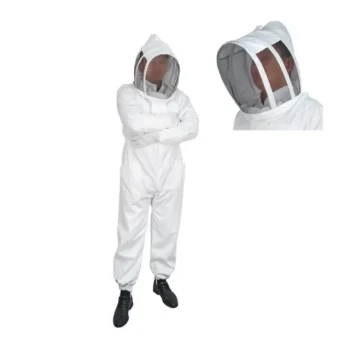
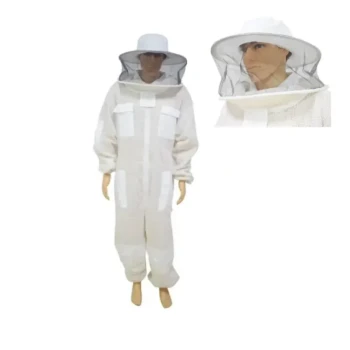
Professional protective suits for Vespa velutina control demand distinct engineering standards focused on impact resistance and chemical shielding. Unlike standard beekeeping equipment, these suits require a multi-layered, thickened construction specifically designed to prevent the penetration of long stingers. Furthermore, they must include specialized protection for the face and respiratory system to guard against the unique threat of ejected venom.
The Core Insight Standard protective gear is often insufficient against the dual threat of Vespa velutina. Because these hornets are highly aggressive and capable of spraying potent venom, a professional suit must act as both a physical armor against deep stings and a chemical barrier for your eyes and lungs.
The Operational Context
To select the right gear, you must understand the specific risks involved in Asian hornet control.
High-Risk Environments
Vespa velutina operations often involve nest removal or close-range trapping. These scenarios trigger intense defensive behaviors from the colony.
The Aggression Factor
This species is noted for its highly aggressive nature when threatened. The volume of attackers and their persistence require a suit that eliminates any "weak points" in coverage.
Critical Construction Requirements
The primary defense mechanism of the suit is its physical structure.
Multi-Layered Composition
A single layer of fabric is rarely sufficient. Professional suits rely on multiple layers of material to create a complex barrier. This layering disrupts the path of the stinger, preventing it from reaching the skin.
Thickened Material Specifications
Thickness is a technical necessity, not just a durability feature. The material must be substantial enough to exceed the length of the hornet's stinger. This ensures that even if a stinger penetrates the outer surface, it cannot puncture the operator's tissue.
Essential Facial and Respiratory Safety
Physical stings are not the only vector of injury; the suit must address liquid threats.
Venom Spray Protection
Vespa velutina can eject venom from a distance. Standard mesh veils may allow liquid venom to pass through, causing severe injury to the eyes. Professional suits require solid or tightly woven shielding to block this spray.
Respiratory System Defense
Inhaling venomized droplets can cause respiratory distress. The hood and veil design must integrate with or provide adequate filtration to ensure the operator does not inhale the venom spray during an attack.
Understanding the Trade-offs
While specialized suits provide maximum protection, they introduce operational challenges that must be managed.
Heat Retention
The necessary usage of "thickened materials" and "multiple layers" significantly traps body heat. Operators face a higher risk of heat stress, particularly during summer operations, requiring frequent breaks and hydration.
Reduced Dexterity
The bulk required to stop long stingers can compromise fine motor skills. This can make delicate tasks, such as manipulating traps or handling injection poles, more difficult than with standard gear.
Making the Right Choice for Your Safety
When selecting equipment for Vespa velutina management, match the technical specs to your specific risk profile.
- If your primary focus is Nest Removal: Prioritize the thickness and layering of the suit above all else to negate the risk of mass stinging events.
- If your primary focus is Close-Range Trapping: Ensure the suit features comprehensive facial and respiratory shielding to protect against venom spray during close contact.
Never compromise on material thickness or facial coverage; the aggressive capabilities of Vespa velutina turn minor equipment flaws into serious medical emergencies.
Summary Table:
| Feature | Standard Beekeeping Suit | Vespa Velutina Professional Suit |
|---|---|---|
| Material Structure | Single or double layer fabric | Multi-layered, thickened composition |
| Stinger Protection | Designed for honeybee stings | Reinforced to exceed long hornet stingers |
| Facial Safety | Mesh veil for visibility | Solid/Tight shield against venom spray |
| Respiratory Guard | None/Open ventilation | Integrated filtration for venom droplets |
| Primary Risk | Physical stings only | Dual threat: Stings & chemical venom spray |
Secure Your Apiary Operations with HONESTBEE
Protect your team from the high-risk threats of Vespa velutina with professional-grade equipment that exceeds industry standards. At HONESTBEE, we specialize in supporting commercial apiaries and distributors by providing a complete wholesale range of heavy-duty protective gear, hive-making machinery, and specialized honey-processing equipment.
From thickened defensive suits to advanced honey-filling machines and essential consumables, our portfolio is designed to enhance your operational safety and efficiency.
Ready to upgrade your professional beekeeping inventory?
Contact HONESTBEE Today to discuss our wholesale offerings and find the perfect hardware solutions for your business.
References
- Ana Isabel García Arias, Ibán Vázquez González. El coste económico de las especies invasoras: Costes asociados a la lucha contra la Vespa velutinaen la apicultura gallega. DOI: 10.7201/earn.2024.02.06
This article is also based on technical information from HonestBee Knowledge Base .
Related Products
- Premium Cotton Beekeeper Suit with Reinforced Fencing Veil
- Premium Three Layer Ventilated Bee Suit with Round Veil
- Beekeeping Jacket with Hood and Veil for Beekeepers
- Professional Beekeeping Suit for Kids and Girls Childrens Bee Keeper Suit
- White Cotton Beekeeping Jacket and Veil for Bee Keepers
People Also Ask
- What material and design specifications are recommended for a high-quality beekeeper suit? Top Gear Selection Guide
- How to Pre-treat Propolis Stains on Beekeeping Suits? Master Advanced Fabric Care and Soil Removal
- What features should be considered for sting protection in a beekeeping suit? Ensure Total Safety and Comfort
- What are the differences between full suits and jackets with veils in beekeeping? Choose Your Best Protection
- What features should be looked for in a beekeeping suit for maximum comfort? Prioritize Ventilation and Fit