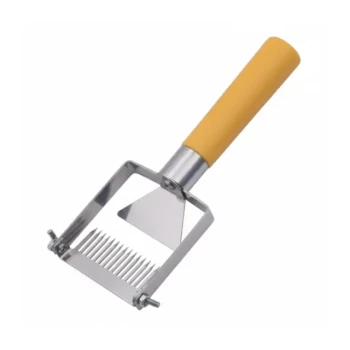
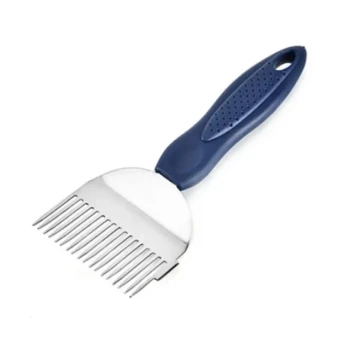
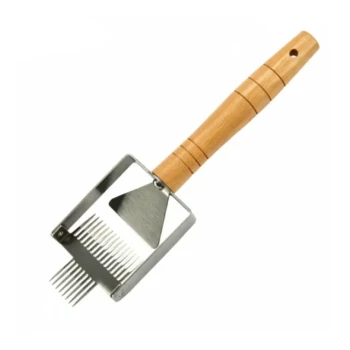
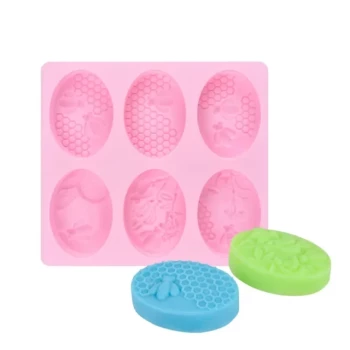
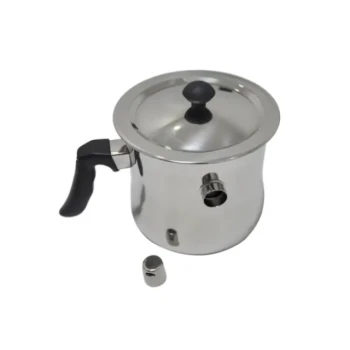
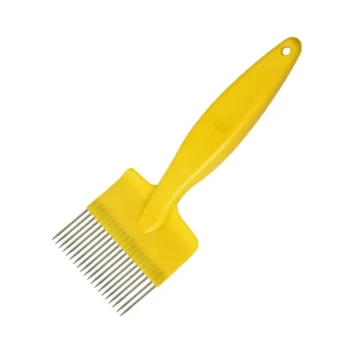
Beeswax cappings are a highly valuable resource that should never be treated as waste. Once the honey has been drained, these cappings can be rinsed and rendered to create pure beeswax blocks, which serve as the raw material for candles, soaps, cosmetics, and even new hive components.
Core Insight: Cappings represent the cleanest, highest-quality wax found in a beehive. While the extraction process leaves them sticky and messy, a simple rendering process transforms this byproduct into a premium material suitable for high-end crafting and practical beekeeping applications.
Processing: Turning Residue into Resource
Before you can utilize the cappings, you must separate the wax from the remaining honey and impurities. This process transforms raw scrapings into usable inventory.
The Biological "Pre-Clean"
Before manual cleaning, you can leverage the bees themselves to remove the bulk of the honey residue.
By placing the extracted cappings in a location accessible to the bees, they will consume the excess honey. This significantly reduces stickiness and simplifies the subsequent washing steps.
Rinsing and Draining
Once the bulk honey is removed, the wax must be thoroughly rinsed.
Water is used to wash away any lingering sugars that could ferment or attract pests. Proper draining ensures the wax is free of soluble contaminants before heat is applied.
Rendering for Purity
The final processing step is rendering, which involves melting and straining the washed cappings.
This process separates the wax from solid impurities (slumgum), resulting in simple blocks of high-quality beeswax. These blocks are shelf-stable and ready for future projects.
Applications for Rendered Cappings
Once rendered into blocks, the wax from cappings is versatile and highly sought after for its purity and color.
Cosmetics and Personal Care
Because capping wax is typically lighter and cleaner than brood comb wax, it is ideal for products applied to the skin.
Common applications include lip balms, lotions, and soaps. The wax acts as a natural thickener and protective barrier in these formulations.
Household Goods
The most traditional use for rendered cappings is the creation of candles.
Beeswax candles burn cleaner and longer than paraffin alternatives. The high quality of capping wax ensures a consistent color and a pleasant, natural honey scent.
Sustainable Beekeeping
You can close the production loop by recycling the wax back into the apiary.
Clean, rendered wax can be molded into new foundation sheets for beehive frames. This saves money on equipment and reduces the risk of introducing outside contaminants to the hive.
Understanding the Trade-offs
While valuable, processing cappings involves specific challenges that require time and attention.
The "Stickiness" Factor
Handling cappings is inherently messy due to the high honey content.
Cleaning them requires significant water usage or specific setups to allow bees to clean them safely without inciting robbing behavior in the apiary.
Volume vs. Effort
The ratio of wax to honey is low, meaning you need a significant harvest to yield large blocks of wax.
Small-scale beekeepers may need to accumulate cappings over several extractions before the rendering process becomes efficient enough to justify the setup time.
Making the Right Choice for Your Goal
Depending on your volume of wax and your interests, you should direct your processed cappings toward the application that yields the highest return for your effort.
- If your primary focus is high-value retail items: Focus on creating cosmetics like lip balms or soaps, where a small amount of high-quality wax goes a long way.
- If your primary focus is simplicity and storage: Render the cappings into solid 1lb blocks, which never spoil and can be sold as-is or used later.
- If your primary focus is apiary sustainability: Recast the wax into foundation sheets, reducing your operational costs for the next season.
Treat your cappings not as a byproduct, but as a second harvest that offers as much utility as the honey itself.
Summary Table:
| Application Category | Primary Uses | Benefit of Cappings |
|---|---|---|
| Cosmetics | Lip balms, lotions, soaps | Purest, lightest wax for skin safety |
| Household | Candles, furniture polish | Clean burn and natural honey scent |
| Beekeeping | Foundation sheets, hive repair | Cost-saving and reduces contamination |
| Storage | 1lb Raw wax blocks | Shelf-stable and high resale value |
Unlock the Full Potential of Your Apiary Output
Don't let valuable beeswax go to waste. HONESTBEE is dedicated to supporting commercial apiaries and distributors with the tools needed to scale production and efficiency.
Whether you are looking to process cappings into retail-ready cosmetics or recycle wax into new foundation, we provide the full spectrum of beekeeping machinery, including honey-filling machines and specialized hardware. Our comprehensive wholesale offering ensures you have the consumables and equipment required to turn every byproduct into a profit center.
Ready to upgrade your extraction and processing workflow?
Contact HONESTBEE Today to explore our equipment portfolio and wholesale solutions.
Related Products
- Beeswax Foundation Sheets Beehive Foundation for Wholesale
- Assembled Wooden Bee Frames with Beeswax Foundation Ready to Use by HONESTBEE
- Colorful Silicone Beeswax Foundation Mold Mould for Beekeeping
- Adjustable Stainless Steel Honey Uncapping Fork with Plastic Handle for Beekeeping
- Fully Automatic Beeswax Embossing Machine Foundation Mill
People Also Ask
- What are the technical advantages of beeswax foundations and feeding tools? Optimize Your Bee Breeding Phase
- Why is the regular exchange and replacement of beeswax foundations encouraged? Boost Honey Yield & Hive Biosafety
- What are the negative consequences of using old or contaminated beeswax in foundations? Protect Your Hive Today
- Why is high-purity natural beeswax essential for foundations? Prevent Larval Mortality & Boost Colony Health
- What are the specific advantages of regular comb replacement? Boost Hive Health with New Beeswax Foundations