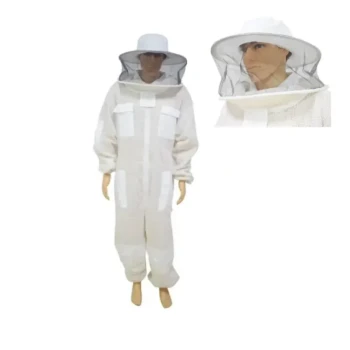
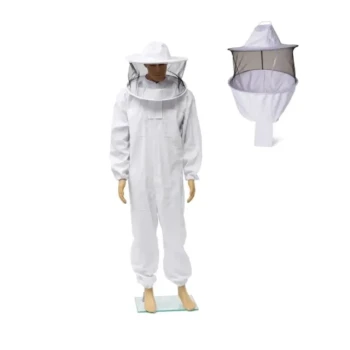
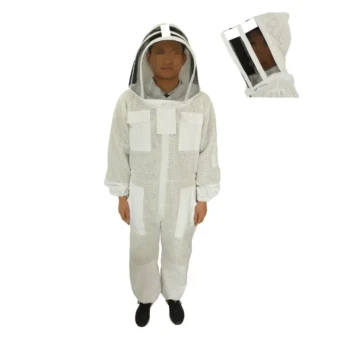
Bee suits rely on three primary materials to ensure safety and comfort. The most common fabric choices are cotton, polyester, and specialized mesh. Each material offers a distinct balance between physical protection from stings and the necessary breathability required for working in apiaries.
The ideal bee suit material is a compromise between protection and environmental comfort; cotton offers heavy-duty durability, polyester provides lightweight tear resistance, and mesh delivers maximum ventilation for hot climates.
Evaluating Material Characteristics
The Durability of Cotton
Cotton remains a standard option for protective gear due to its robust nature. It is widely recognized for being durable, capable of withstanding the rigors of beekeeping tasks.
While it provides a natural barrier, cotton is also appreciated for its inherent breathability. This allows for air circulation, which is essential when working in active colonies.
The Resilience of Polyester
Polyester has become a popular choice for modern bee suits. Its primary advantage is its physical composition; it is significantly lightweight compared to heavier natural fibers.
Additionally, polyester is prized for being tear-resistant. This quality ensures the suit maintains its integrity even when snagged on hive equipment or surrounding vegetation.
The Ventilation of Mesh
Mesh suits are engineered specifically to address heat management. They provide excellent ventilation, allowing air to pass freely through the garment to cool the wearer.
Despite this open structure, high-quality mesh is designed to maintain safety. It effectively prevents stings while offering superior airflow compared to solid fabrics.
Understanding the Trade-offs
Managing Weight in Heat
While cotton is a breathable material, it presents a challenge in extreme weather. It can be heavy, particularly in hot climates or when saturated with sweat.
This added weight can lead to faster fatigue during long inspections. Beekeepers in tropical regions often find the density of cotton burdensome despite its durability.
Balancing Airflow and Structure
Polyester offers a lightweight solution but serves a different purpose than mesh. While polyester is tough and resists tearing, it does not inherently offer the massive airflow of a full mesh suit.
Mesh maximizes cooling but is a distinct departure from traditional fabric feels. It prioritizes ventilation above all else to keep the beekeeper cool while maintaining the sting barrier.
Making the Right Choice for Your Goal
Selecting the right material depends heavily on your local climate and physical preferences.
- If your primary focus is maximum cooling: Choose a mesh suit to ensure excellent ventilation while still preventing stings.
- If your primary focus is durability and natural fabric: Opt for cotton, understanding that it may feel heavy in high heat.
- If your primary focus is a lightweight, tough barrier: Select polyester, which offers a popular balance of being tear-resistant and easy to wear.
The right material transforms your protective gear from a burden into a reliable tool for safe apiary management.
Summary Table:
| Material | Key Benefit | Durability | Breathability | Weight |
|---|---|---|---|---|
| Cotton | Natural & Robust | High | Moderate | Heavy |
| Polyester | Tear-Resistant | High | Moderate | Lightweight |
| Mesh | Maximum Airflow | Moderate | Excellent | Lightweight |
Elevate Your Apiary Operations with HONESTBEE
Choosing the right material is just the first step in ensuring safety and efficiency. At HONESTBEE, we specialize in supporting commercial apiaries and distributors with a comprehensive wholesale range. From high-performance bee suits in various materials to advanced hive-making and honey-filling machinery, we provide the full spectrum of beekeeping tools and industry consumables.
Why partner with HONESTBEE?
- Wholesale Excellence: Bulk supplies of durable protective gear and hardware.
- Complete Solutions: Access everything from specialized machinery to honey-themed merchandise.
- Industry Expertise: We cater specifically to the needs of large-scale beekeeping businesses.
Ready to upgrade your equipment or stock your distribution line? Contact us today to discover how our premium portfolio can grow your business!
Related Products
- Premium Three Layer Ventilated Bee Suit with Round Veil
- Professional Cotton Beekeeper Suit with Round Veil Design for Commercial Apiaries
- Premium Cotton Beekeeper Suit with Reinforced Fencing Veil
- Professional Beekeeper Suit with Square Folding Cotton Veil
- Professional Beekeeping Suit for Kids and Girls Childrens Bee Keeper Suit
People Also Ask
- What are the features of a ventilated bee suit? Stay Cool and Protected in Hot Weather
- What is the function of professional protective consumables? Scale Your Apiary with Ventilated Bee Suits
- What should be considered when purchasing a ventilated bee suit? Ensure Maximum Safety and Comfort
- What is the advantage of ventilated bee suits over traditional ones? Stay Cool and Protected with Mesh Technology
- What materials are used in ventilated bee suits? Choose Between 3-Layer Mesh & Foam for Optimal Protection