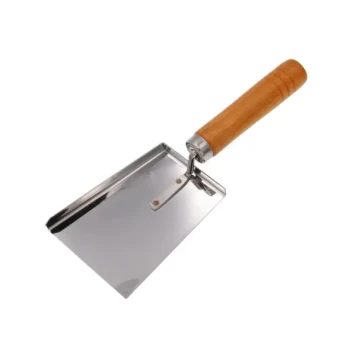
Pollen supply devices function as a critical nutritional bridge for bee colonies during the early stages of spring brood rearing. By delivering essential proteins, lipids, and vitamins, these tools ensure that worker bees have the raw materials necessary to sustain the colony when natural pollen sources are scarce or unavailable.
By securing a consistent intake of high-quality pollen or substitutes, these devices enable the production of royal jelly. This glandular secretion is the fundamental driver of larval development, directly determining the health and future foraging capacity of the adult workforce.
The Biological Chain of Development
The contribution of pollen supply devices is best understood as a chain reaction. The device provides the input, but the biological conversion within the hive is what drives brood rearing.
Bridging the Resource Gap
Early spring weather is often volatile, creating gaps in natural forage.
Pollen supply devices fill this void, preventing nutritional stress. They ensure the colony has immediate access to the high-quality pollen or substitutes required for growth.
Fueling Royal Jelly Production
The primary biological contribution of these devices is facilitating the synthesis of royal jelly.
Worker bees consume the proteins and lipids provided by the device. They metabolize these nutrients to secrete royal jelly, a substance that cannot be produced without adequate protein intake.
Determining Larval Quality
The royal jelly produced by the workers determines the fate of the brood.
High-quality input from the device leads to nutrient-dense royal jelly. This optimizes the nutritional quality provided to the larvae, ensuring robust development.
Impact on Adult Competency
The ultimate contribution of the device is seen in the adult bee.
Larvae fed high-quality jelly develop into healthier adults. These bees possess superior foraging capacity, which is essential for the colony's productivity later in the season.
Understanding the Critical Dependencies
While these devices are powerful, their effectiveness relies on the quality of the input.
The Quality Imperative
A device is only as effective as the substance it delivers.
If the pollen or substitute lacks essential lipids and vitamins, the chain breaks. Workers cannot synthesize high-grade royal jelly from poor-quality ingredients.
The Risk of Shortages
In the absence of these devices during a dearth, the colony acts defensively.
Without sufficient protein to produce royal jelly, brood rearing slows or halts. This delays the population buildup required for the main honey flow.
Leveraging Nutritional Support
To maximize the impact of pollen supply devices on your spring brood, consider your specific colony objectives.
- If your primary focus is rapid population growth: Ensure the device is stocked with high-protein substitutes to maximize royal jelly output for mass larval feeding.
- If your primary focus is colony resilience: Use the device to maintain a baseline of lipids and vitamins, preventing nutritional stress during weather-related foraging gaps.
Strategic use of pollen supply devices converts raw nutrients into the vital workforce needed for a successful season.
Summary Table:
| Contribution Phase | Primary Benefit | Biological Outcome |
|---|---|---|
| Resource Bridging | Fills gaps in natural forage | Prevents nutritional stress in early spring |
| Nutrient Synthesis | Provides essential proteins/lipids | Enables worker bees to secrete royal jelly |
| Larval Development | Optimizes nutrition for brood | Improves larval health and growth rates |
| Colony Performance | Builds a robust adult workforce | Enhances foraging capacity and honey yield |
Maximize Your Apiary’s Potential with HONESTBEE
At HONESTBEE, we understand that the success of commercial apiaries and distributors depends on the health of the hive. We provide a comprehensive range of professional beekeeping tools, from advanced pollen supply devices to specialized honey-filling and hive-making machinery.
Whether you are scaling up production or supplying the industry, our wholesale solutions offer the essential hardware and consumables needed for robust colony development. Contact us today to discover how our premium equipment and industry expertise can streamline your operations and boost your seasonal productivity.
References
- Anarbayeva Gulsara Dilshod qizi Kuchiyev Ohunjon Razoqovich. ORGANIZATION OF SPRING SERVICE AND FEEDING TECHNOLOGY FOR THE BEE FAMILY. DOI: 10.5281/zenodo.6818562
This article is also based on technical information from HonestBee Knowledge Base .
Related Products
- Stainless Steel Pollen Shovel with Wooden Handle
- Heavy-Duty Ergonomic Stainless Steel Pollen Shovel
- Heavy-Duty Ergonomic Grip Galvanized Pollen Shovel
- Removable Plastic Pollen Trap With Ventilated Tray for Bees Pollen Collector
- 30 cm Plastic Entrance Hole Bee Pollen Trap and Collector
People Also Ask
- How do bee pollen collection tools affect the quality of bee pollen used in functional dairy ice cream production?
- Why should commercial apiaries focus on the collection of diversified bee products? Maximize Your Hive’s Profit Potential
- How does a specialized pollen collector facilitate the harvesting of diverse bee products? Automate High-Value Yields
- What is the impact of pollen collectors and associated equipment on the cost structure of pollen production? Maximize ROI
- What is the technical significance of using specialized cutting tools for propolis? Master Precision Pollen Harvesting