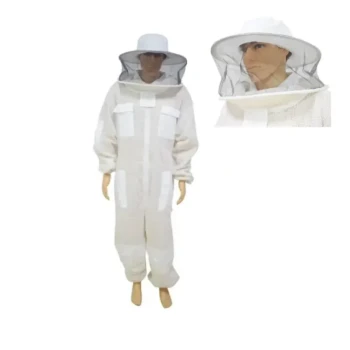
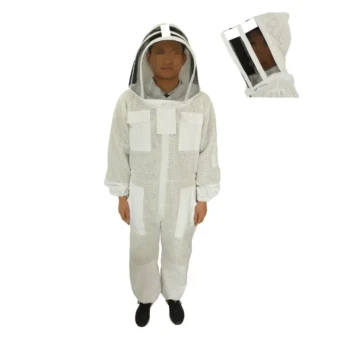
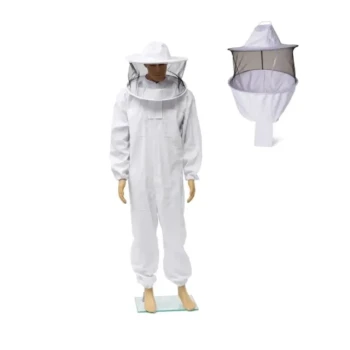
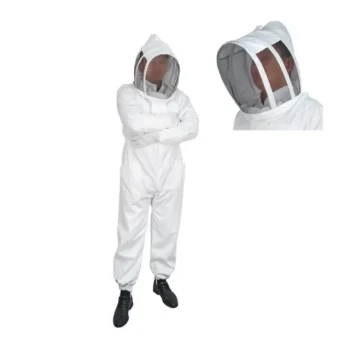
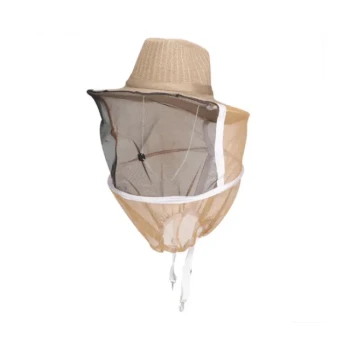
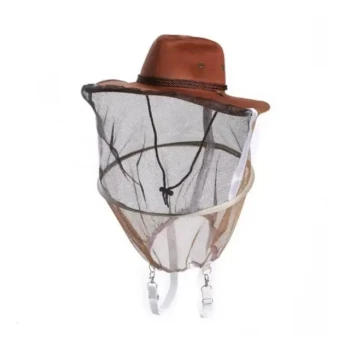
The primary factors to consider when choosing between a full bee suit and a jacket are your personal tolerance for risk and the specific nature of your beekeeping tasks. A full bee suit provides comprehensive, head-to-toe protection for maximum safety, while a jacket protects only the upper body, offering a solution for shorter tasks or beekeepers comfortable with slight exposure.
The choice represents a trade-off between total enclosure and operational convenience: full suits are essential for long, intensive inspections or aggressive hives, whereas jackets offer sufficient protection for quick assessments and beekeepers who prioritize ease of movement.
Analyzing Protection Requirements
Total Body Coverage
A full bee suit is a one-piece garment designed to eliminate points of entry for bees. By covering the body from the ankles to the head, it offers the highest tier of defense. This is particularly valuable if you are working with overly aggressive bees or if you require absolute peace of mind regarding stings.
Upper Body Focus
A beekeeping jacket concentrates protection on the torso, arms, and head. Since bees naturally tend to crawl upwards and target carbon dioxide emissions (from breathing), the jacket covers the most critical areas. However, it leaves the legs vulnerable, requiring the beekeeper to wear their own thick trousers for lower-body defense.
Psychological Comfort and Experience
Managing Apprehension
The most important consideration is your ability to feel safe and calm while working. Beekeepers with significant apprehension or a high fear response should opt for a full suit. The psychological benefit of feeling completely enclosed can prevent panic and ensure steady movements during hive maintenance.
Experience Levels
While many new beekeepers might assume they need a full suit, a jacket is often the best choice for beginners who do not possess a debilitating fear of bees. As you gain experience, you may find the jacket sufficient for the majority of standard beekeeping activities.
Task Intensity and Duration
Long-Duration Inspections
For thorough, invasive work that keeps the hive open for extended periods, a full-body suit is recommended. The longer the hive is open, the higher the defensive response from the colony may be. Comprehensive gear protects you against the escalating risk during deep inspections.
Brief Assessments
If your goal is to perform quick, routine checks, a jacket is often superior. It is faster to put on and take off, making it practical for short-duration tasks where the risk of agitation is low.
Critical Design Features
Sealing the Gaps
Regardless of whether you choose a suit or a jacket, the effectiveness of the gear relies on its ability to seal out bees. Look for designs that feature tight elastic bands at the wrists and ankles (for suits) or waist (for jackets). Features like thumb holes and secure zippers at the neck are vital to prevent bees from crawling inside the garment.
Durability and Utility
High-quality gear should feature double-stitched seams to prevent rips that could become entry points. Additionally, verify that the garment has ample pockets for hive tools and is made from strong, machine-washable materials for longevity and hygiene.
Understanding the Trade-offs
Heat and Mobility
A full suit can be hot and cumbersome, potentially leading to heat fatigue during summer inspections. A jacket offers better ventilation and freedom of movement, which can be a significant advantage in hot climates.
The "Leg Gap" Risk
The primary downside of the jacket is the lack of integrated leg protection. If you choose a jacket, you must be diligent about wearing thick jeans and potentially using ankle straps. Failure to do so leaves you open to stings on the legs, a common area for bees to crawl if pants are loose.
Making the Right Choice for Your Goal
To select the gear that best aligns with your needs, consider your primary motivation:
- If your primary focus is maximum safety and peace of mind: Choose a full bee suit to ensure head-to-toe coverage, especially if you are apprehensive or working with aggressive colonies.
- If your primary focus is convenience and heat management: Choose a jacket, provided you are comfortable wearing your own thick pants and are performing standard, shorter-duration inspections.
Select the gear that allows you to work calmly and confidently, as your composure is just as important as the fabric in preventing stings.
Summary Table:
| Feature | Full Bee Suit | Beekeeping Jacket |
|---|---|---|
| Protection Level | Maximum (Head-to-Toe) | Upper Body Only |
| Best For | Aggressive hives & deep inspections | Quick checks & routine maintenance |
| Mobility | Moderate/Restrictive | High/Easier movement |
| Heat Management | Retains more heat | Better ventilation |
| Ease of Use | Slower to put on | Quick to don and doff |
| Ideal User | Nervous beginners or professionals | Experienced keepers or hot climates |
Level Up Your Apiary with HONESTBEE Professional Gear
Choosing the right protection is critical for the safety and productivity of your beekeeping operations. Whether you are a commercial apiary needing high-durability full suits for intensive work or a distributor looking to supply high-quality jackets to hobbyists, HONESTBEE has you covered.
We provide a comprehensive wholesale range, including:
- Premium Protective Gear: Professional-grade suits and jackets designed for maximum safety.
- Advanced Machinery: Hive-making and honey-filling machines to scale your production.
- Full Equipment Spectrum: From essential hive tools to industry consumables and honey-themed merchandise.
Ready to equip your business with the industry's best?
Contact HONESTBEE today to discuss our wholesale offerings and let us help you grow your beekeeping success!
Related Products
- Premium Three Layer Ventilated Bee Suit with Round Veil
- Professional Beekeeper Suit with Square Folding Cotton Veil
- Professional Beekeeping Suit for Kids and Girls Childrens Bee Keeper Suit
- Three-Layer Ventilated Beekeeper Suit with Structured Fencing Veil
- Professional Cotton Beekeeper Suit with Round Veil Design for Commercial Apiaries
People Also Ask
- What are the features of a ventilated bee suit? Stay Cool and Protected in Hot Weather
- What is the function of professional protective consumables? Scale Your Apiary with Ventilated Bee Suits
- What should be considered when purchasing a ventilated bee suit? Ensure Maximum Safety and Comfort
- What is the advantage of ventilated bee suits over traditional ones? Stay Cool and Protected with Mesh Technology
- What materials are used in ventilated bee suits? Choose Between 3-Layer Mesh & Foam for Optimal Protection